How Long Can The Oven Be On Before It Becomes Dangerous
How long can the oven be on before it becomes a real safety concern? The answer depends on your oven type, its condition, and whether you follow basic oven safety practices. Most modern ovens can run for several hours, but leaving them on overnight or for days creates serious fire hazards and overheating risks. Understanding the limits of your appliance helps protect your home and family from oven fire damage and costly repairs.
Many people wonder about how long can the oven be on without causing problems. It is a question that comes up more often than you might think. Whether you are baking a big meal or using the self-cleaning oven function, understanding the limits matters. Leaving an oven running too long can lead to serious oven fire hazard situations. This guide covers everything you need to know about oven safety and how to protect your home.
The truth is, there is no single answer. Different ovens behave differently. Gas and electric models have different risk profiles. Your oven’s age, condition, and how well you maintain it all play a role. But one thing is clear: knowing the limits helps you avoid danger. Let us walk through the facts so you can cook with confidence.
Most experts agree that a standard oven should not run continuously for more than 12 hours. Some manufacturers even recommend shorter limits. The key is to understand what happens inside the oven when it runs too long. Heat builds up. Components wear down. And in the worst case, a fire can start. This is why kitchen fire prevention starts with knowing your appliance’s limits.
Key Takeaways
- Never leave your oven unattended for extended periods without setting a timer or checking on it regularly.
- Most ovens can safely run for 8 to 12 hours, but exceeding this increases the risk of overheating and electrical faults.
- Gas ovens pose carbon monoxide risks if left on for too long in poorly ventilated spaces.
- Faulty timers and auto-shutoff features are common reasons ovens stay on longer than intended.
- Regular oven maintenance helps prevent malfunctions that could lead to fires or energy waste.
- Know the warning signs of an overheating oven, including unusual smells, discoloration, and strange noises.
- When in doubt, turn it off and consult a professional if you notice any unusual behavior.
📑 Table of Contents
How Long Can The Oven Be On Before It Becomes Dangerous?
The simple answer is that most ovens are safe to run for about 8 to 12 hours at a time. But this depends on several factors. The type of oven, its age, and how well it has been maintained all matter. A newer electric oven with working auto-shutoff features will handle longer runs better than an old gas model.
When you ask how long can the oven be on, you are really asking about safety margins. The danger zone starts when the oven exceeds its designed operating limits. This is where oven overheating becomes a real concern. Components like heating elements, thermostats, and insulation start to fail under prolonged stress.
What the Manufacturer Says
Always check your oven manual. Most manufacturers include guidelines about continuous use. Some ovens are designed for short bursts of baking. Others are built for long roasting sessions. The manual will tell you the maximum recommended run time. Ignoring these guidelines can void your warranty and create appliance safety issues.
For example, a self-cleaning oven cycle typically runs for 2 to 4 hours. This is by design. The extreme heat during self-cleaning is meant to burn off residue. But running the self-cleaning cycle multiple times in a row is not recommended. It puts extra strain on the oven’s internal parts and increases the risk of oven overheating.
The Role of Oven Insulation
Oven insulation plays a big role in how long the oven can safely run. Good insulation keeps heat contained where it belongs. When insulation wears down over time, heat escapes. This means the oven works harder to maintain the set oven temperature settings. The extra workload increases the risk of electrical fire or component failure.
Older ovens often have degraded insulation. If you own an older unit, be extra cautious about long cooking sessions. Check for signs of wear around the door seals and interior walls. Poor insulation is one of the hidden causes of oven overheating and can shorten the life of your appliance significantly.
What Happens When an Oven Runs Too Long?
Leaving an oven on beyond its safe limit can cause several problems. Some are minor. Others are genuinely dangerous. Understanding these risks helps you take baking safety seriously. Here is what can go wrong when an oven runs too long.
Overheating and Internal Damage
When an oven runs continuously, internal temperatures can spike beyond normal ranges. The oven temperature settings may become inaccurate. Heating elements can burn out. The thermostat may fail to regulate heat properly. Over time, this leads to costly oven malfunction issues that require expensive repairs or even full replacement.
Internal components like the control board and wiring can also suffer. Prolonged exposure to high heat degrades electrical connections. This is a leading cause of electrical fire in kitchens. The damage is often hidden until it is too late. You might not notice a problem until a smell or a spark alerts you.
Fire Hazards and Safety Risks
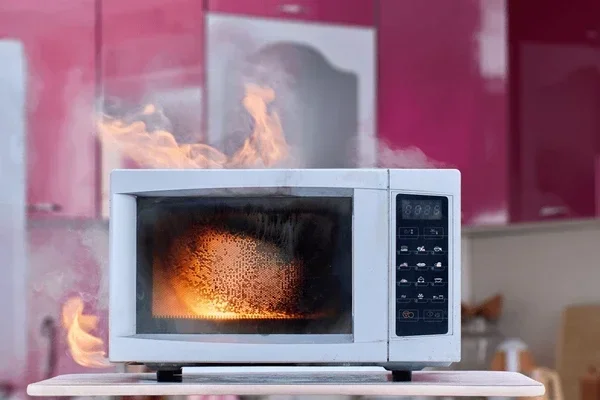
The biggest risk of running an oven too long is fire. Grease buildup inside the oven can ignite under extreme heat. Food debris left from previous cooking sessions can catch fire. This is especially true if you forget to clean the oven after heavy use. A greasy oven interior is a ticking time bomb when left on for extended periods.
A left on overnight oven is one of the most common scenarios for kitchen fires. People often set the oven before bed and forget to turn it off. By morning, the oven has been running for hours. This is a serious oven fire hazard that can be easily prevented with a simple timer or routine check.
Even if a fire does not start, prolonged heat can damage nearby cabinetry and countertops. Wooden cabinets near the oven can dry out and crack. Plastic handles can melt. The heat can also affect nearby wallpaper or paint. These are all signs that the oven has been running too long and needs immediate attention.
Common Mistakes People Make
One of the most common mistakes is assuming the oven will turn itself off. Many older models do not have this feature. Another mistake is using the oven to heat the kitchen or the house. This is extremely dangerous and can lead to carbon monoxide poisoning with gas ovens or electrical fire with electric models. The oven is designed for cooking, not heating.
People also make the mistake of storing items on or near the oven while it is running. Oven mitts, towels, and paper products can catch fire if they get too close to the hot surface. Keep the area around your oven clear at all times. This is a simple kitchen fire prevention habit that makes a big difference.
Gas vs Electric Oven: Key Safety Differences
Not all ovens are the same when it comes to safety. Gas and electric models have different risk profiles. Understanding these differences is essential for gas oven safety and overall appliance safety. Let us break it down so you know what to watch for with your specific model.
| Factor | Gas Oven | Electric Oven |
|---|---|---|
| Maximum Safe Run Time | 6 to 10 hours | 8 to 12 hours |
| Primary Risk | Carbon monoxide buildup | Overheating and electrical fire |
| Auto-Shutoff Feature | Rare in older models | Common in modern units |
| Ventilation Required | Yes, always | No, but recommended |
| Energy Consumption | Moderate to high | Moderate |
Gas Oven Risks You Should Know
Gas oven safety is a serious topic. Gas ovens produce carbon monoxide as a byproduct of combustion. This is a colorless, odorless gas that can be lethal in high concentrations. When a gas oven runs for too long, carbon monoxide levels in the kitchen can rise to dangerous levels.
This is especially true if the kitchen is not well ventilated. Opening a window or turning on the range hood while using a gas oven is essential. Never sleep in a house with a gas oven running for extended periods. The risk of carbon monoxide exposure increases with every hour the oven stays on. Install a carbon monoxide detector near the kitchen and test it regularly.
Another concern with gas ovens is the pilot light or igniter. These components can wear out over time. A faulty igniter may not shut off properly when the oven reaches the desired temperature. This means the gas keeps flowing even when it should not. This is a silent but deadly oven fire hazard that often goes unnoticed until it is too late.
Electric Oven Safety Considerations
Electric ovens are generally considered safer for long cooking sessions. They do not produce carbon monoxide. However, they come with their own set of risks. The main danger is electrical fire from overheating components. The heating elements can degrade over time and draw more current than they should.
Electric ovens rely on heating elements to generate heat. These elements can degrade over time. A worn-out element may draw more current than it should. This can cause the element to glow red-hot even when the oven is set to a low temperature. This is a clear sign that the oven needs repair and should not be used until fixed.
The oven auto-shutoff feature is more common in modern electric ovens. This feature automatically turns off the oven after a set period. If your oven has this feature, use it. It is one of the best ways to prevent oven overheating and reduce the risk of fire. If your older model lacks this feature, consider having a technician install an external timer switch as a backup safety measure.
Common Reasons Ovens Stay On Too Long
Understanding why ovens get left on too long is the first step toward prevention. Most of the time, it is not carelessness. It is a simple mistake that anyone can make. Let us look at the most common reasons so you can avoid them.
Forgetting to Turn It Off
This is the number one reason ovens stay on too long. You set the oven, get distracted, and forget about it. Life gets busy. Phone calls come in. Kids need attention. Before you know it, hours have passed. An oven left on overnight is often the result of simple forgetfulness.
The best defense against this is setting a timer. Use your phone, a kitchen timer, or the oven’s built-in timer. Do not rely on memory alone. Even the best cooks forget sometimes. A timer is a small investment that pays off big in kitchen fire prevention. Place the timer somewhere you will see and hear it.
Faulty Timers and Auto-Shutoff Failures
Sometimes the oven itself is the problem. A faulty timer may not shut off the oven when it should. The auto-shutoff feature might malfunction due to a wiring issue or a blown fuse. In these cases, the oven keeps running even when you think it has turned off.
This is why regular oven maintenance matters. Check your timer and auto-shutoff features periodically. If the oven does not turn off when the timer goes off, have it inspected right away. A malfunctioning oven timer is not just an inconvenience. It is a genuine safety risk that could lead to an electrical fire or extensive heat damage.
Self-Cleaning Mode Misuse
The self-cleaning cycle uses extremely high temperatures, often above 900 degrees Fahrenheit. People sometimes start the self-cleaning cycle and then leave the house. This is a mistake. The oven should never be left unattended during a self-cleaning cycle. The extreme heat can cause grease and food residue to ignite.
If the self-cleaning cycle goes on for too long, it can damage the oven’s interior. The extreme heat can warp the oven walls and damage the glass door. It also increases the risk of oven fire hazard. Always stay home while the self-cleaning cycle runs. Never leave the house with the self-cleaning mode active. Wait for the oven to cool completely before opening the door.
Practical Tips for Oven Safety
Prevention is always better than dealing with a disaster. Here are practical tips to keep your oven running safely. These oven safety habits can save your home and your life.
Set Timers and Use Smart Features
Always set a timer before you start cooking. Use the oven’s built-in timer if it has one. If not, use your phone or a standalone kitchen timer. Set the timer for the expected cooking time plus a buffer of 15 to 30 minutes.
Smart ovens with Wi-Fi connectivity are a game changer. Many modern smart ovens can be controlled from your phone. You can check the temperature, set timers, and even turn the oven off remotely. This adds a layer of convenience and appliance safety that older models simply do not have. If you are in the market for a new oven, look for models with smart features and reliable auto-shutoff capabilities.
Regular Maintenance Matters
Keep your oven clean. Grease and food buildup inside the oven can ignite under high heat. Clean the interior after every few uses. Pay special attention to the bottom of the oven where drips collect. A clean oven is a safer oven.
Check the door seals regularly. Damaged seals let heat escape, which forces the oven to work harder. This increases energy consumption and raises the risk of oven overheating. Replace worn seals promptly to keep the oven running efficiently and safely. Also, inspect the heating elements for any signs of damage or wear.
Have a professional inspect your oven at least once a year. They can spot early signs of wear before they become serious problems. Regular oven maintenance extends the life of your appliance and keeps your family safe. Think of it as an investment in your home’s safety.
Quick Tips Box
- Always set a timer before turning on the oven, no matter how short the cooking time.
- Keep flammable items away from the oven, including towels, paper, and plastic.
- Test your oven door seal regularly by holding a piece of paper against it.
- Never use foil to line the bottom of the oven unless the manual says it is safe.
- Install a kitchen smoke detector within 10 feet of the oven at all times.
- Keep a fire extinguisher in the kitchen and know how to use it.
- Replace old ovens that lack modern safety features like auto-shutoff.
Never Leave the Oven Running Unattended for Long Periods
This is the golden rule of oven safety. If you must leave the house, turn off the oven. It might delay dinner. It might ruin a slow-cooked recipe. But it is never worth the risk of a fire. A meal can always be reheated. A house fire cannot be undone.
If you are baking something that requires a long cook time, set multiple timers. Ask a family member to check on the oven periodically. Do not rely on a single timer or a single person. Redundancy is key when it comes to kitchen fire prevention. The more layers of safety you have, the better protected your home will be.
When to Call a Professional
Not every oven problem is a DIY fix. Some issues require professional attention. Knowing when to call for help can prevent disasters. Here are the situations where you should not try to fix things yourself.
Warning Signs You Should Never Ignore
Strange smells coming from the oven are a red flag. A burning smell when the oven is on could mean wiring is overheating. If you notice this smell, turn off the oven immediately and open the windows. Do not use the oven again until it has been inspected by a qualified technician.
Discoloration on the oven interior is another warning sign. Dark spots or charred areas inside the oven suggest that temperatures have exceeded safe limits. This could be a sign of a malfunctioning thermostat or a damaged heating element. Ignoring these signs can lead to a full oven malfunction or, worse, an electrical fire.
Unusual noises are also concerning. Buzzing, clicking, or popping sounds can indicate electrical problems. A clicking sound that continues after the oven is turned off is especially alarming. These sounds often point to a failing control board or wiring issue. A professional can diagnose and fix these problems before they escalate into dangerous situations.
Energy Bills That Spike Without Explanation
If your energy bills suddenly increase, your oven might be the culprit. An oven that runs longer than necessary consumes more energy. This could mean the thermostat is stuck or the insulation is failing. High oven energy consumption is not just bad for your wallet. It is also a sign that the oven is working harder than it should, which increases the risk of overheating and component failure.
Have a technician check the oven if you notice unexplained spikes in energy usage. A simple repair can save money and prevent oven fire hazard situations. Early detection of problems saves money and lives. Do not wait until a small issue becomes a major safety concern.
Conclusion
So, how long can the oven be on? The answer is clear: do not push it beyond safe limits. Most ovens can run for 8 to 12 hours, but that does not mean you should. The safest approach is to never leave the oven running longer than necessary. Set timers, use smart features, and stay alert when cooking.
Oven safety is not something to take lightly. The risks of overheating, fire, and carbon monoxide exposure are real. But they are also entirely preventable with the right habits. Regular maintenance, proper ventilation, and common sense go a long way in keeping your kitchen safe for you and your family.
Remember, your oven is a tool designed to make life easier. Treat it with respect, and it will serve you well for years. Ignore the warning signs, and you are inviting disaster. Take a few minutes today to check your oven’s condition, test its safety features, and make sure you know how to use it properly. Your family and your home deserve that peace of mind. Start practicing better oven safety habits today, and cook with confidence every time you turn on that oven.
Frequently Asked Questions
Can I Leave the Oven on Overnight?
It is not recommended to leave the oven on overnight unless it has a reliable auto-shutoff feature. Even then, it is best to set a timer and check on the oven before going to bed. An oven left on overnight is one of the leading causes of kitchen fires and oven fire hazard situations.
What Should I Do If My Oven Won’t Turn Off?
If your oven will not turn off, turn off the circuit breaker immediately. Do not attempt to unplug it while it is still running. Open the windows for ventilation and call a qualified technician right away. A malfunctioning oven that will not shut off is a serious appliance safety concern.
How Can I Prevent Oven Fires?
Keep your oven clean, set timers for every cooking session, and never leave the oven unattended for long periods. Install a smoke detector near the kitchen and keep a fire extinguisher accessible. These simple kitchen fire prevention steps can dramatically reduce your risk of an oven fire.
Is It Safe to Use the Oven to Heat the House?
No, using an oven to heat your home is dangerous and should be avoided. Gas ovens can produce lethal levels of carbon monoxide in enclosed spaces. Electric ovens can cause electrical fire or overheating of nearby materials. Use a proper heating system instead.
How Often Should I Maintain My Oven?
You should clean your oven regularly and have a professional inspection at least once a year. Regular oven maintenance helps catch small problems before they become serious safety risks. It also keeps your oven running efficiently and extends its lifespan.
What Are the Signs of an Overheating Oven?
Signs include unusual burning smells, discoloration inside the oven, strange noises like buzzing or clicking, and the oven running hotter than the set temperature. If you notice any of these signs, turn off the oven and have it inspected. Ignoring these warning signs can lead to oven malfunction or fire.