How To Make Coffee For Intermittent Fasting And Lose Weight
Making coffee for intermittent fasting is simple and powerful. Black coffee boosts fat burning, suppresses appetite, and supports autophagy without breaking your fast. This guide covers the best coffee choices, fasting-friendly recipes, and common mistakes to avoid for intermittent fasting coffee success.
Intermittent fasting and coffee go together like peanut butter and jelly. Millions of people drink coffee every morning, and when you combine it with a fasting routine, something powerful happens. Coffee for intermittent fasting can help you burn more fat, stay energized, and crush hunger pangs. But there is a right way and a wrong way to do it.
If you are new to fasting or just want to get more out of your morning cup, you are in the right place. This guide shows you exactly how to make coffee for intermittent fasting and lose weight. We cover the best types of coffee, what you can add, when to drink it, and the mistakes that can ruin your fasted state. Let us get into it.
Key Takeaways
- Black coffee is your best friend: It has zero calories and won’t break your fast.
- Espresso and cold brew work great: Both are excellent choices for fasting windows.
- Avoid sugar and cream: They spike insulin and can break your fasted state.
- Timing matters: Drink coffee during your fasting window for maximum appetite control.
- Fat-burning additions exist: Butter, MCT oil, and collagen can work in certain fasting protocols.
- Stay hydrated: Coffee is a mild diuretic, so pair it with plenty of water.
📑 Table of Contents
- Why Coffee Fits Perfectly With Intermittent Fasting
- Best Coffee Choices For Your Fasting Window
- What You Can Add To Coffee While Fasting
- Popular Fasting Coffee Recipes
- Timing Your Coffee For Maximum Results
- Common Mistakes To Avoid
- Expert Tips For The Best Fasting Coffee Experience
- How Coffee Helps You Lose Weight During Intermittent Fasting
- Conclusion
Why Coffee Fits Perfectly With Intermittent Fasting
Coffee and intermittent fasting are a match made in heaven. But why? Coffee is naturally low in calories and rich with compounds that support fat loss. When you drink it during a fasting window, you get a double benefit. Your body stays in fat-burning mode, and the caffeine gives you a natural energy boost.
Intermittent fasting coffee has become a popular topic because so many people struggle with morning hunger. A simple cup of black coffee can suppress your appetite for hours. This makes sticking to your fasting window much easier. You feel less deprived and more in control.
How Coffee Supports Fat Burning
Caffeine is one of the most studied fat-burning compounds in the world. It triggers your metabolism and encourages your body to use stored fat for energy. When you are in a fasted state, this effect becomes even stronger. Your body is already primed to burn fat, and coffee simply speeds up the process.
Studies show that caffeine can increase fat oxidation by up to 29 percent in lean individuals. That means your morning brew is doing more than just waking you up. It is actively helping you shed weight. Coffee and weight loss go hand in hand when you do it right.
The Zero-Calorie Rule
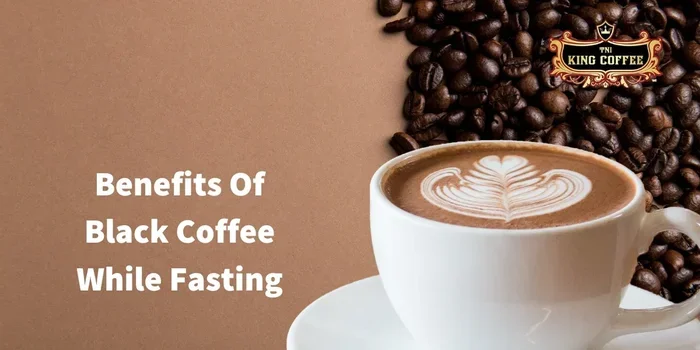
The golden rule of fasting coffee is simple. Keep it at zero calories. Plain black coffee contains roughly two calories per cup. That is not enough to trigger an insulin response or break your fast. As long as you drink it black, you stay in the fasted metabolic state.
This is where many people go wrong. They add sugar, flavored creamers, or milk without realizing it. Even a splash of half-and-half can kick your body out of fasting mode. The key is to keep it pure or use only fasting-approved additions. We will cover those in detail below.
Best Coffee Choices For Your Fasting Window
Not all coffee is created equal when it comes to fasting. Some options work better than others. Here is a breakdown of the best choices you can make.
Black Coffee And Its Benefits
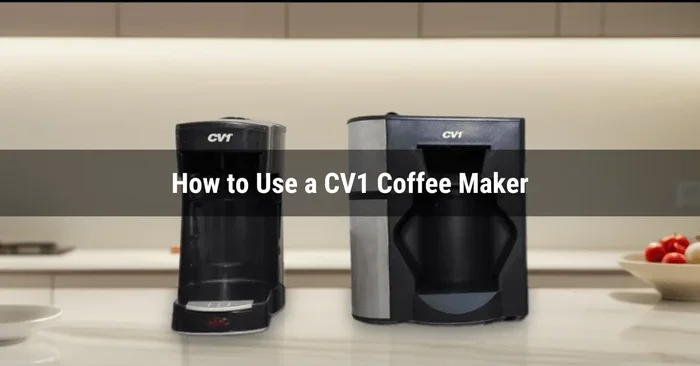
Plain black coffee is the gold standard for fasting. It has no calories, no sugar, and no fat. It keeps you in a deep fasted state while giving you a clean energy boost. Whether you brew it with a drip machine, a French press, or a pour-over, black coffee is your safest bet.
If you want to take your black coffee to the next level, try a quality espresso. Espresso is concentrated and packed with antioxidants. It delivers a stronger caffeine hit in a smaller volume. You can learn how to make espresso using a coffee maker at home with minimal effort. A single shot of espresso has about three calories, making it perfectly fine for fasting.
Espresso During Fasting
Espresso is one of the best options for fasting coffee. It is calorie-free when served straight. The concentrated flavor also means you get more benefit in a smaller serving. A double shot of espresso can keep you focused and energized through a tough morning fast.
Just make sure you do not add flavored syrups or sweetened milk. Stick to a pure espresso shot or an Americano (espresso with plain hot water). Both are excellent choices that will not interfere with your fasting goals.
Instant Coffee Options
Instant coffee gets a bad reputation, but it works fine for fasting. A plain instant coffee packet has almost no calories. It is quick, easy, and perfect for busy mornings. Just make sure you choose an unflavored, unsweetened version.
Some people wonder, “Why does instant coffee make me poop?” This is a common concern. Coffee in general stimulates digestion, and instant coffee is no different. If this bothers you, try drinking your coffee with plenty of water. The digestive effect is usually mild and not a reason to avoid it during fasting.
Cold Brew Coffee
Cold brew is another fantastic option. It is smooth, less acidic, and easy to prepare in batches. You can make a large pitcher at the start of the week and grab servings throughout the day. Cold brew has slightly less acidity than hot coffee, which is gentler on your stomach during fasting.
Many people find cold brew easier to drink black because the flavor is naturally sweeter and less bitter. This can help you avoid the temptation to add sugar or cream. It is a win-win for your fasting routine.
What You Can Add To Coffee While Fasting
This is where things get tricky. You want your coffee to taste good, but you also need to protect your fasted state. Not all additions are created equal. Some are fine, and some will completely break your fast.
Acceptable Additives
Here are additions that are generally considered safe for most fasting protocols:
- Plain water: Diluting your coffee with water is perfectly fine.
- Sea salt: A tiny pinch can improve flavor and support electrolyte balance.
- Cinnamon: A dash adds flavor without meaningful calories or insulin response.
- Collagen peptides: These are popular in certain fasting circles, though they technically break a strict fast. Use them during your eating window instead.
- MCT oil or butter (in specific protocols): These are used in dirty fasting or fat fasting approaches. We will cover this below.
Ingredients To Avoid
These are the ingredients that will break your fast or spike your insulin:
- Sugar: Even a teaspoon can trigger an insulin response.
- Regular cream or milk: They contain calories, fat, and lactose that break your fast.
- Flavored creamers: These are loaded with sugar and artificial ingredients.
- Honey or maple syrup: Natural does not mean fasting-safe. They still contain calories.
- Non-dairy milk with added sugar: Always check the label. Many brands add sweeteners.
Popular Fasting Coffee Recipes
If you are tired of plain black coffee, these recipes will keep things interesting. They are designed to work with your fasting goals and taste amazing.
Butter Coffee (Bulletproof Style)
Butter coffee has become a staple in the fasting and keto communities. It combines coffee with healthy fats to keep you full and energized. This is a “dirty fasting” approach, meaning it technically breaks a strict water fast but supports a fat-fast or low-calorie fast.
Here is a simple recipe:
- Brew a strong cup of coffee or pull a shot of espresso.
- Add one tablespoon of unsalted butter or ghee.
- Add one teaspoon of MCT oil.
- Blend everything together for 20 to 30 seconds until frothy.
- Drink it warm and enjoy the rich, creamy texture.
This recipe works best during a fat-fast day or when you need sustained energy. The healthy fats slow down caffeine absorption, giving you a smoother, longer-lasting energy boost. It also keeps hunger at bay for hours.
Collagen Coffee For Fasting Windows
Collagen coffee is a great option if you want to support your skin, joints, and gut health. Add one scoop of unflavored collagen peptides to your black coffee. Stir well until it dissolves completely.
While collagen does contain a small number of calories, many fasting experts consider it acceptable for a modified fast. It does not spike insulin the way sugar or carbs do. This makes it a popular choice for people who want a creamier coffee without breaking their fast too severely.
Spiced Fasting Coffee
If you love flavor but want to stay strict, try spiced fasting coffee. Add a pinch of cinnamon, a tiny pinch of nutmeg, and a dash of vanilla extract to your black coffee. These spices add warmth and complexity without any meaningful calories.
This is a great way to trick your taste buds and avoid craving sweeteners. You can also add a drop of pure vanilla extract for extra aroma. The result is a rich, satisfying cup that feels indulgent without breaking your fast.
Timing Your Coffee For Maximum Results
When you drink your coffee matters just as much as what you put in it. Proper timing can amplify the benefits of both fasting and coffee.
Morning Coffee Strategy
The most common fasting schedule is the 16:8 method. You fast for 16 hours and eat during an 8-hour window. Most people start their eating window around noon. This means your morning coffee falls right in the middle of your fasting period.
Drink your first cup of coffee about 30 minutes after waking up. This gives your body time to hydrate with water first. The caffeine will kick in just as you need it most, helping you push through the last hours of your fast with energy and focus.
Afternoon Coffee And Fasting
If your fasting window extends into the afternoon, a second cup of coffee can help. But be careful. Caffeine has a half-life of about five to six hours. Drinking coffee too late in the day can disrupt your sleep, which hurts your fasting results.
Try to have your last cup of coffee at least six hours before bedtime. If you finish your eating window at 8 PM, your last coffee should be around 2 PM. This keeps your sleep quality high and your fasting results on track.
Coffee And Appetite Control
One of the biggest benefits of coffee fasting is appetite suppression. Caffeine and other compounds in coffee help regulate ghrelin, the hunger hormone. This means you feel less hungry during your fasting window.
Many people find that a cup of coffee in the morning makes the first few hours of fasting almost effortless. The hunger that usually hits around 10 AM simply does not show up. This is a game-changer for anyone struggling with morning cravings.
Common Mistakes To Avoid
Even with the best intentions, it is easy to make mistakes with fasting coffee. Here are the most common ones and how to avoid them.
Adding Too Much Fat
Butter coffee and MCT oil drinks are popular, but they are not for every fasting protocol. If you are doing a strict water fast or a clean fast, adding fat will break your fasted state. These drinks are better suited for dirty fasting or fat-adapted eating plans.
If your goal is maximum autophagy and deep cellular repair, stick to plain black coffee. Save the butter coffee for your eating window or for days when you are doing a less strict fasting approach.
Drinking Coffee On An Empty Stomach Without Water
Coffee is a mild diuretic. It can dehydrate you if you do not drink enough water alongside it. Always start your morning with a full glass of water before your first cup of coffee. This rehydrates your body after a night of sleep and supports your kidneys during the fast.
Using Flavored Or Sweetened Creamers
This is the number one mistake people make. Flavored creamers are loaded with sugar, artificial flavors, and hidden calories. A single serving of some creamers can contain five to ten grams of sugar. That is enough to spike your insulin and completely break your fast.
Always read the label. If the creamer has more than zero calories, it is not fasting-safe. Stick to black coffee or use only fasting-approved additions like a pinch of salt or cinnamon.
Overdoing The Caffeine
Too much caffeine can cause jitters, anxiety, and sleep problems. It can also raise cortisol levels, which works against your fasting goals. High cortisol promotes fat storage, especially around the belly.
Limit yourself to two or three cups of coffee per day. Spread them out evenly and always drink plenty of water between cups. Your body will thank you, and your fasting results will improve.
Expert Tips For The Best Fasting Coffee Experience
Here are some pro tips that will take your fasting coffee game to the next level:
- Use high-quality beans: Freshly roasted, whole beans give you the best flavor and the most antioxidants. Grind them right before brewing for maximum freshness.
- Try a French press: French press coffee is rich and full-bodied. It does not require any paper filters, which means more of the beneficial oils stay in your cup.
- Keep a fasting coffee journal: Track what you add to your coffee and how you feel. This helps you identify what works best for your body.
- Pair coffee with electrolytes: A pinch of sea salt in your water or coffee can prevent the headaches and fatigue that sometimes come with fasting.
- Experiment with timing: Some people feel better drinking coffee right after waking. Others prefer waiting an hour. Find what works for your body and stick with it.
How Coffee Helps You Lose Weight During Intermittent Fasting
The combination of coffee and intermittent fasting creates a powerful weight-loss engine. Here is how they work together:
- Boosted metabolism: Caffeine increases your metabolic rate by three to eleven percent. This means you burn more calories at rest.
- Enhanced fat oxidation: Coffee helps your body release fatty acids from fat tissue. These are then used as fuel instead of being stored.
- Better exercise performance: Caffeine improves physical performance by up to twelve percent. This means you burn more calories during workouts.
- Reduced appetite: Coffee helps control ghrelin, which means you eat less during your eating window without feeling deprived.
- Improved focus and energy: When you feel good and energized, you are less likely to snack or break your fast early.
The key is consistency. Drink your coffee for intermittent fasting every day at roughly the same time. Your body adapts to the routine, and the benefits compound over time. Within a few weeks, you will notice that fasting feels easier and your energy levels are steadier throughout the day.
Remember, coffee is a tool, not a magic solution. It works best when combined with a healthy eating plan during your feeding window and a consistent fasting schedule. Pair your coffee with whole, nutrient-dense foods and stay active. The results will follow.
Conclusion
Making coffee for intermittent fasting is one of the simplest and most effective habits you can build. Black coffee supports fat burning, suppresses appetite, and keeps you in a fasted state without adding a single calorie. Whether you prefer espresso, cold brew, or classic drip coffee, the key is to keep it pure and avoid sugar, cream, and flavored additives.
Use the recipes and tips in this guide to create a fasting coffee routine that works for you. Start with plain black coffee and experiment with spices or fasting-approved additions as you get comfortable. Pay attention to timing, stay hydrated, and avoid the common mistakes that can sabotage your progress.
With the right approach, your morning cup of coffee becomes a powerful ally in your weight loss journey. It keeps you focused, curbs hunger, and accelerates fat burning. Coffee and intermittent fasting together create a sustainable, enjoyable path to better health and a leaner body. Start today and feel the difference.
Frequently Asked Questions
Can I put cream in my coffee while fasting?
No. Regular cream contains calories, fat, and lactose, which can trigger an insulin response and break your fast. Stick to black coffee or use only zero-calorie additions like a pinch of salt or cinnamon during your fasting window.
Does coffee break intermittent fasting?
Plain black coffee does not break intermittent fasting. It contains roughly two calories per cup and does not spike insulin. However, adding sugar, cream, or flavored creamers will break your fasted state and reduce the benefits of fasting.
How many cups of coffee can I drink while fasting?
Two to three cups per day is generally safe and effective. More than that can cause jitters, anxiety, and sleep disruption. Spread your cups throughout the morning and early afternoon, and avoid coffee at least six hours before bedtime.
Can I add sweetener to my coffee during fasting?
No. Both artificial and natural sweeteners can trigger an insulin response or break your fast. Stick to unsweetened black coffee. If you need flavor, try a dash of cinnamon, a pinch of salt, or pure vanilla extract in small amounts.
Is cold brew coffee good for intermittent fasting?
Yes. Cold brew is smooth, low in acidity, and has virtually zero calories when served black. It is an excellent choice for fasting. Many people find it easier to drink than hot coffee because the flavor is naturally less bitter and gentler on the stomach.
When should I drink coffee during my fasting window?
Drink your first cup about 30 minutes after waking up, once you have had a glass of water. This helps with hydration and gives the caffeine time to kick in. Avoid coffee after 2 PM to protect your sleep quality, which is essential for fasting success and weight loss.