How To Use A Restaurant Coffee Machine Step By Step
Discover how to use a restaurant coffee machine with this easy step-by-step guide. You’ll learn setup, brewing, milk frothing, daily cleaning, and troubleshooting tips to serve perfect coffee every time.
A restaurant coffee machine is the heart of any busy dining spot. It delivers the drinks that keep customers coming back. But a shiny machine on the counter means nothing if you don’t know how to use it properly. This guide walks you through every step, from first setup to pulling a perfect shot. You’ll also learn cleaning routines and quick fixes for common problems. By the end, you’ll feel confident running your coffee machine like a pro barista.
Running a restaurant means juggling many tasks at once. The coffee station should never be a headache. A commercial coffee maker can handle high demand when you understand its basics. This article breaks down the process into simple, actionable steps. We cover everything from the initial power-on to daily maintenance. You’ll find practical tips that save time and improve drink quality. Let’s dive in and make your coffee service effortless.
Key Takeaways
- Proper setup is the foundation: A correct water line connection and initial rinse prevent problems later.
- Master the espresso shot first: Understanding grind size, tamping, and extraction time improves every drink you make.
- Daily cleaning keeps quality high: A quick wipe-down and backflush routine stops buildup and off-flavors.
- Descaling is non-negotiable: Hard water damages components and weakens coffee flavor over time.
- Troubleshooting saves time: Knowing common fixes for low pressure or weak brew keeps your service running smoothly.
- High-volume tips boost efficiency: Batch preparation and smart workflow reduce wait times during rush hour.
📑 Table of Contents
Understanding Your Restaurant Coffee Machine
Before you brew a single cup, you need to know what’s inside your machine. A restaurant coffee machine is not just a bigger version of a home brewer. It has specific parts designed for constant use. Familiarizing yourself with these components helps you operate it safely and efficiently.
What Makes A Commercial Coffee Machine Different
Home coffee makers brew one cup at a time. A commercial espresso machine handles dozens of drinks per hour. It uses a larger boiler, a powerful pump, and multiple group heads. The steam wand is built for continuous milk frothing. These machines also have a direct water line connection. This setup means you never run out of water mid-rush. Understanding these differences helps you treat the machine with the respect it deserves.
Key Components You Should Know
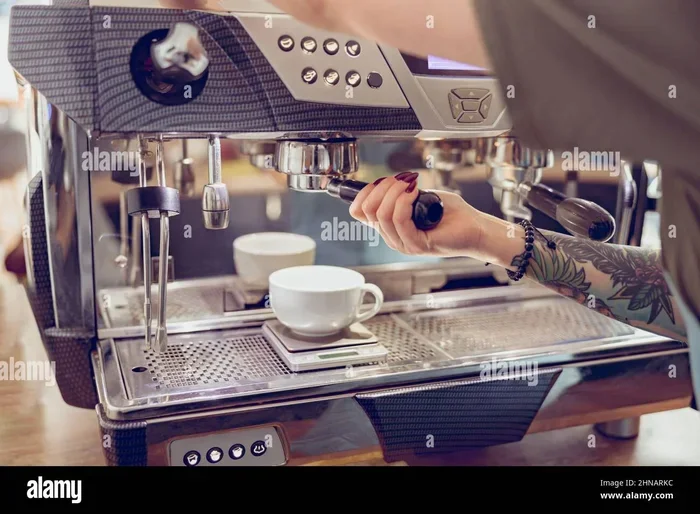
Every restaurant coffee machine has a few essential parts. The portafilter holds the coffee grounds during brewing. The group head locks the portafilter in place and controls water flow. The boiler heats water to the exact temperature needed. The steam wand injects steam into milk for frothing. A coffee grinder sits nearby to grind beans fresh. Knowing where each part is located makes daily operation much smoother.
Step-By-Step Setup And First Brew
Setting up your machine correctly prevents many problems down the road. Even if the unit comes pre-installed, a proper first-use routine is critical. This section guides you through the initial steps.
Unboxing And Placement
Place the machine on a stable, level surface near a power outlet. Ensure there’s enough clearance on all sides for ventilation. A restaurant coffee machine generates heat, so it needs space to breathe. Connect the water line if your model supports it. A direct line saves you from constantly refilling a reservoir. If you’re using a reservoir, fill it with filtered water. Never use distilled water, as it can damage the boiler. Once everything is in place, plug in the machine and turn it on.
Water Line Connection
Connecting a water line requires a few simple steps. First, shut off the main water supply. Attach the provided tubing to the water inlet on the machine. Connect the other end to a cold water line with a shut-off valve. Turn the water back on slowly and check for leaks. A proper water line ensures consistent pressure and temperature. This step is just like following a guide on how to use a Breville smart oven air fryer—both require careful attention to connections for the best results.
First Brew Cycle
Before serving customers, run a cleaning cycle. Most machines have a flush function that runs water through the group head. This removes any dust or manufacturing residue. Next, grind some coffee beans and discard the first few shots. This primes the system and ensures the first actual brew tastes clean. Your machine is now ready for real service. Think of this initial setup like learning how to cook bacon and sausage in the oven—it’s a simple process that becomes second nature with practice.
Mastering Espresso And Milk-Based Drinks
The heart of a restaurant coffee machine is its ability to pull a great espresso shot. From there, you can create lattes, cappuccinos, and more. This section breaks down the core techniques.
Pulling The Perfect Espresso Shot
Start with freshly roasted coffee beans. Grind them just before brewing for the best flavor. The grind size should be fine, like table salt, but not powdery. Too coarse and the water rushes through, giving a weak shot. Too fine and the water can’t pass, causing channeling. Add the grounds to the portafilter and distribute them evenly. Use a tamper to press the grounds with firm, even pressure. About 30 pounds of force is a good target. Lock the portafilter into the group head and start the shot. A proper extraction takes about 25 seconds. The liquid should flow like warm honey and turn a rich golden brown. If it drips too fast, your grind is too coarse. If it trickles slowly, make it finer. This is the foundation of every drink you serve.
Steaming Milk Like A Pro
The steam wand is what turns plain milk into velvety foam. Start with cold, fresh milk in a stainless steel pitcher. Submerge the wand tip just below the milk surface. Turn on the steam and you’ll hear a gentle hissing sound. This is called stretching, and it introduces tiny air bubbles. As the milk expands, lower the pitcher so the wand sits deeper. This creates a rolling vortex that heats the milk evenly. The goal is a smooth, glossy texture with no large bubbles. Heat the milk to about 150°F—hot to touch but not scalding. Purge the wand immediately after use and wipe it clean. Clean steam wands are essential for hygiene and flavor.
Daily Maintenance And Cleaning
A clean restaurant coffee machine produces better-tasting coffee and lasts longer. Daily cleaning routines are simple but must be done consistently. Skipping them leads to buildup and off-flavors.
Daily Cleaning Routine
At the end of each shift, perform a quick cleaning. Remove the portafilter and knock out the used coffee grounds. Rinse the portafilter and basket under warm water. Wipe down the steam wand with a damp cloth to remove milk residue. Flush hot water through the group head for a few seconds. This clears any remaining coffee oils. Also, wipe down the drip tray and the machine’s exterior. A clean workspace keeps your staff motivated and your drinks tasting fresh. Just as learning how to clean an oven with a dishwasher tablet without scrubbing makes kitchen cleanup easier, a regular coffee machine routine saves you from deep cleaning headaches later.
Descaling Schedule
Mineral deposits build up inside the machine over time. This is called scale, and it affects water flow and temperature. A descaling solution or a mix of white vinegar and water removes scale. Run the solution through the machine according to the manufacturer’s instructions. Then flush the system with clean water several times. Most machines need descaling every 2 to 3 months, but hard water areas may require it more often. Check your water hardness and adjust the schedule accordingly. A descaling routine is just as important as any other maintenance task.
Backflushing For Group Heads
Many commercial machines have a backflush feature. This uses a blind filter and detergent to clean the group head internals. Run a backflush cycle weekly to remove coffee oils that build up in hidden places. This step keeps your espresso tasting bright and clean. It’s a small effort that makes a big difference in drink quality.
Troubleshooting Common Issues
Even with the best care, problems can occur. Knowing how to handle them quickly keeps your service running. Here are the most common issues and their fixes.
Machine Not Turning On
First, check the power cord and the outlet. A tripped circuit breaker is a common cause. Make sure the water reservoir is filled; some machines have a safety float that prevents operation without water. If the machine has a digital display, look for error codes. Consult the manual for specific meanings. Often, a simple reset by turning the machine off and on again solves the problem.
Weak Coffee Or Low Pressure
Weak coffee usually means the grind is too coarse or the tamping is too light. Check your grinder settings and tamp firmly. Low pressure can also result from a clogged group head or a worn filter basket. Clean the group head thoroughly and replace any damaged parts. If the machine uses a pump, listen for unusual noises. A failing pump needs professional repair. Following the brewing steps carefully prevents most pressure issues.
Steam Wand Not Producing Steam
A steam wand that spits but doesn’t froth often has a clogged tip. Remove the wand and soak it in warm water or a descaling solution. Use a needle to clear any tiny holes. If the steam wand still doesn’t work, the boiler might be low on water or the pressure relief valve could be stuck. Check the water level and inspect the valve. Regular cleaning prevents most steam wand problems.
Pro Tips For High-Volume Service
During peak hours, your restaurant coffee machine works overtime. A few smart strategies keep up with demand without sacrificing quality.
Batch Brewing Efficiency
If your machine supports batch brewing, use it during busy periods. Pre-measure coffee grounds into multiple portafilters so you can pull shots quickly. Keep a clean tray ready to catch the finished cups. Assign one staff member to milk frothing and another to espresso pulling. This division of labor speeds up service. Programming the machine’s settings beforehand is key. Following instructions on how to use a Breville smart oven air fryer teaches you that pre-programming saves valuable seconds during a rush.
Keeping Up During Rush Hour
Preparation is everything. Have your milk pitchers filled and chilled before the morning rush. Use a large frothing pitcher for high-volume orders. Keep a steady supply of clean portafilters ready to go. Wipe the steam wand between every drink to prevent milk buildup. A quick purge of the group head between shots ensures consistent extraction. These small habits add up to faster service and happier customers.
Storing Coffee Beans Properly
Fresh beans make a noticeable difference. Store your coffee beans in an airtight container away from light and heat. Never refrigerate beans, as moisture ruins the flavor. Buy beans in quantities you can use within two weeks. Grinding them just before brewing preserves the aroma and taste. A well-stored bean supply is the secret ingredient behind great coffee.
Conclusion
Using a restaurant coffee machine is a skill that anyone can learn with practice. Start with a solid setup, master the espresso shot, and keep up with daily cleaning. Troubleshooting common problems becomes easy when you know the basics. High-volume service runs smoothly when you prepare ahead and follow a routine. Your machine is a valuable asset that rewards proper care with perfect drinks every time. Take these steps to heart, and your coffee station will become the highlight of your restaurant.
Frequently Asked Questions
How do I set up a restaurant coffee machine for the first time?
Place the machine on a stable surface near a power outlet and water source. Connect the water line if available, fill the reservoir with filtered water, and run a cleaning cycle. Grind and discard the first few shots to prime the system. This initial routine ensures clean water flows through every part before you serve your first customer.
What is the best grind size for a restaurant coffee machine?
A fine grind, similar to table salt, works best for espresso. If the shot runs too fast, make the grind finer. If it drips slowly, grind coarser. Consistency is key, so use a quality coffee grinder and check the setting regularly. The right grind ensures proper extraction and a balanced flavor.
How often should I descale my restaurant coffee machine?
Descale every 2 to 3 months for most machines. If you have hard water, you may need to do it monthly. Use a commercial descaling solution or a mix of white vinegar and water. Always flush the system with clean water afterward to remove any taste of the cleaning agent.
Why is my steam wand not frothing milk properly?
A clogged wand tip is the most common cause. Soak the wand in warm water or a descaling solution and use a needle to clear the holes. Make sure the steam valve is fully open and the boiler has enough pressure. Regular wiping after each use prevents milk residue from building up and causing blockages.
Can I use tap water in my restaurant coffee machine?
It’s best to use filtered water. Tap water contains minerals and chlorine that can damage the boiler and affect coffee taste. Filtered water reduces scale buildup and keeps your drinks tasting clean. Check your machine’s manual for water quality recommendations.
What should I do if my coffee tastes bitter or sour?
Bitter coffee usually means over-extraction, which happens when the grind is too fine or the brew time is too long. Sour coffee means under-extraction, often from a grind that’s too coarse. Adjust the grinder settings in small increments and aim for a 25-second extraction time. Fresh beans and proper tamping also play a big role in flavor balance.