Is Leaving The Oven Open Dangerous And Why It Matters
Is Leaving The Oven Open Dangerous? Yes, it can lead to fire hazards, carbon monoxide poisoning, and energy waste. Leaving the oven door open is never a safe habit, regardless of your oven type. Learn the real risks and how to keep your home safe.
Is Leaving The Oven Open Dangerous? It’s a question many people ask after forgetting to close the door. The short answer is yes, it can be very dangerous. Whether you have a gas or electric oven, leaving the door open creates risks you might not expect. Is Leaving The Oven Open Dangerous is a topic every homeowner should understand. In this guide, we’ll explore the real dangers, bust common myths, and share simple safety tips. You’ll learn why a closed oven door matters for your health, your home, and your energy bills.
Many people leave the oven open to cool down food or because they forget. Some think it helps heat the kitchen. But these habits can lead to serious problems. A hot oven with an open door is a fire waiting to happen. The heat can escape and warm up nearby items like towels, curtains, or plastic. Even a small flame can spread quickly. Leaving the oven open also wastes energy. The thermostat keeps running to maintain the set temperature, which spikes your electricity use.
So, why does this happen so often? Ovens are designed to trap heat inside. The door seal keeps the warmth in. When you open it, you break that seal. The oven works harder to recover the lost heat. Over time, this strains the components. It can shorten the life of your oven. More importantly, it creates a safety hazard. Understanding these risks is the first step to protecting your family.
Key Takeaways
- Open ovens create fire hazards: Residual heat can ignite nearby towels, curtains, or grease.
- Gas ovens risk carbon monoxide poisoning: An open door allows CO to leak into living spaces.
- Electric ovens waste energy and overheat rooms: The thermostat struggles to maintain temperature.
- Food quality suffers: Leaving the door open dries out baked goods and slows cooking.
- Children and pets are vulnerable: An open oven door invites burns or accidental activation.
- Always turn off the oven and close the door: This simple habit prevents most dangers.
📑 Table of Contents
Is Leaving The Oven Open Dangerous? The Real Risks
Leaving the oven door open brings several immediate dangers. These risks apply to all types of ovens, but some are more severe. Let’s break down what can go wrong.
Immediate Kitchen Dangers
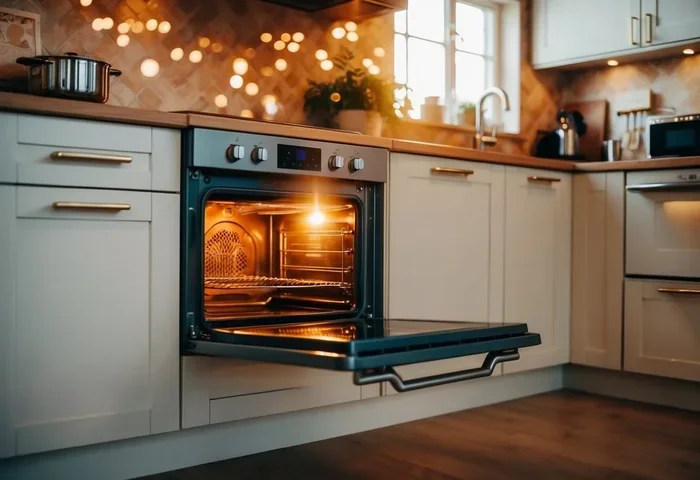
The most obvious risk is fire. An open oven door exposes heating elements. If anything flammable touches them, it can ignite. This includes oven mitts, paper towels, or loose clothing. The heat can also warp plastic handles or melt synthetic materials nearby. Is Leaving The Oven Open Dangerous for your kitchen? Absolutely. The open door creates a zone of intense radiant heat that can damage cabinets and walls.
Another immediate danger is burns. A hot oven door with an open gap can surprise you. You might lean over and touch the heating element. Children and pets are especially at risk. They might not understand the danger of an open oven. A curious child could reach inside and get burned. An open oven door is an open invitation for accidents. Leaving the oven open also means the oven light stays on, which can attract pets.
Long-Term Damage to Your Oven
Beyond the immediate fire risk, leaving the oven open causes long-term damage. The oven’s thermostat works overtime. This can lead to premature wear on the heating elements. The door seal, or gasket, can degrade faster. A damaged seal means your oven loses heat even when closed. This creates a cycle of inefficiency and danger. Leaving the oven open regularly can also discolor the oven interior. The constant heat exposure can crack the glass door over time.
Gas Ovens: The Hidden Carbon Monoxide Threat
Gas ovens pose a unique danger when left open. The risk isn’t just fire. It’s an invisible, odorless gas that can be deadly. Is Leaving The Oven Open Dangerous with a gas oven? Yes, because of carbon monoxide.
How Carbon Monoxide Spreads
When a gas oven runs, it produces carbon monoxide (CO). This gas is a byproduct of burning natural gas or propane. In a closed oven, the combustion gases are vented outside through the flue. The oven door seal helps contain these gases. When you leave the door open, the CO can escape into your kitchen. Even a small amount of CO can cause headaches, dizziness, and nausea.
High levels of CO can lead to poisoning. The symptoms are often mistaken for the flu. You might feel tired or have a headache. But CO can be fatal at high concentrations. Because you can’t see or smell it, the danger is silent. Is Leaving The Oven Open Dangerous for gas oven users? It’s a life-threatening risk that many people overlook. Leaving the oven open with a gas stove is never a good idea.
Why Gas Ovens Are More Dangerous
Gas ovens have an open flame or igniter. When the door is open, the flame is exposed. This increases the risk of flare-ups. Grease splatters or food spills can catch fire instantly. The open flame can also ignite nearby combustibles. Unlike electric ovens, gas ovens produce combustion byproducts that must be properly vented. An open door disrupts this ventilation. Is Leaving The Oven Open Dangerous because of this? The risk of CO poisoning makes it a serious threat.
Electric Ovens: Heat, Energy, and Electrical Risks
Electric ovens don’t produce carbon monoxide, but they still carry serious risks. The dangers are different but just as real. Is Leaving The Oven Open Dangerous with an electric oven? Yes, especially regarding heat and energy waste.
Overheating Your Home
An electric oven with the door open blasts heat into your kitchen. The thermostat senses the warm air and keeps the heating elements on. This creates a loop of continuous energy use. Your kitchen can become uncomfortably hot. In summer, this adds extra heat to your home, making your air conditioner work harder. Leaving the oven open to heat a room is a myth. It wastes electricity and can overload your home’s electrical system.
Electrical Fires and Faults
Electric ovens have exposed heating elements at the top and bottom. When the door is open, these elements are fully visible. Loose items can fall onto them. A stray piece of foil or a towel can catch fire. The heating elements can also short circuit if they come into contact with water or food debris. Over time, the constant high heat from an open door can damage the electrical wiring inside the oven. This can lead to an electrical fire. Is Leaving The Oven Open Dangerous for electric ovens? The risk of electrical fire is real and preventable.
| Risk Factor | Gas Oven | Electric Oven |
|---|---|---|
| Fire Hazard | Exposed flame can ignite combustibles quickly | Exposed elements can catch loose items |
| Carbon Monoxide | High risk of CO leakage into living spaces | No CO risk (no combustion) |
| Energy Waste | Thermostat runs continuously, wastes gas | Heating elements stay on, wastes electricity |
| Heat Damage | Can warp nearby cabinets and walls | Overheats kitchen, strains AC |
| Electrical Risk | Low (no exposed wiring) | Potential for short circuits and wiring damage |
This comparison shows that both oven types carry serious risks when the door is left open. No oven is safe to leave open.
Common Myths That Keep the Oven Door Open
Many people believe leaving the oven open is harmless or even helpful. These myths can be dangerous. Let’s debunk the most common ones.
“It Helps Heat the House”
Some people leave the oven open after baking to warm the kitchen. This is a very bad idea. An oven is not a space heater. It’s designed to heat food, not a room. The heat output is inefficient and uneven. It can create hot spots near the oven and cold spots elsewhere. Worse, it wastes a lot of energy. A small space heater is far safer and more efficient. Is Leaving The Oven Open Dangerous because of this myth? Yes, because it leads to energy waste and overheating risks.
“Leaving It Open Dries Food Faster”
Another myth is that leaving the oven open helps dry food, like herbs or jerky. The truth is, drying food requires low, steady heat and good airflow. An open oven door lets the heat escape. The temperature drops, and drying takes much longer. If you want to dry food, use a dehydrator or set the oven to a low temperature with the door closed. Leaving the oven open actually makes drying less effective.
Safety Tips to Prevent Accidents
Preventing oven accidents is simple. A few habits can keep your family safe. Here are the best practices you should follow every time you use the oven.
Quick Checks Before You Walk Away
Make it a routine to check the oven before you leave the kitchen. Follow these steps:
- Always turn off the oven when you’re done cooking.
- Close the oven door firmly until it clicks or seals.
- Check that the oven light is off (if it stays on, the oven might still be on).
- Keep flammable items like towels and recipe cards far from the oven.
- Teach children that the oven is off-limits when not in use.
These simple checks take only a few seconds. They can prevent a house fire or CO poisoning. Is Leaving The Oven Open Dangerous if you follow these tips? The risk drops dramatically when you build these habits.
What to Do If You Forget
If you realize you left the oven open, don’t panic. Here’s what to do:
- If the oven is off: Simply close the door. There’s no immediate danger.
- If the oven is on and empty: Turn it off immediately. Wait for it to cool before closing the door fully.
- If something is inside and burning: Keep the door closed. Turn off the oven. Call the fire department if smoke spreads.
- If you smell gas (gas oven): Do not touch any switches. Open a window, leave the house, and call your gas company or emergency services.
Knowing these steps can save lives. Leaving the oven open by accident happens. What matters is how you respond.
The Final Verdict: Is It Ever Okay?
The answer is no. Is Leaving The Oven Open Dangerous in any situation? The risks always outweigh the benefits. Whether you want to cool food, heat a room, or just forgot, an open oven door is a hazard. The only time you should have the door open is when you are actively cooking or removing food. Even then, keep it as brief as possible.
A Simple Rule to Remember
Treat your oven like a closed container. When it’s not in use, it should be completely shut. This rule applies to all ovens, including toaster ovens. A toaster oven left open can also start a fire. The heating elements are close to the surface. Keep the door closed when the oven is on. Leaving the oven open is never a safe practice. Make it a habit to close the door every time.
Expert Insight: “Many homeowners don’t realize that an open oven door can compromise the door seal over time. Once the seal is damaged, the oven becomes less efficient and more dangerous. Always close the door gently but firmly.” — Kitchen Safety Expert
Common Mistakes: People often leave the oven open to “keep food warm.” This is a bad habit. Use a warming drawer or a low oven setting with the door closed. Another mistake is propping the door open with a spoon or fork. This can block the door latch and prevent a proper seal. Never use objects to hold the door open.
Quick Tips: Install a smoke alarm and a carbon monoxide detector near the kitchen. Test them monthly. Keep a fire extinguisher in the kitchen and know how to use it. These small steps add a layer of protection. They give you peace of mind. Is Leaving The Oven Open Dangerous if you have these safety devices? Still yes, but you’ll be better prepared for any emergency.
In conclusion, is leaving the oven open dangerous? The evidence is clear. It poses fire risks, carbon monoxide hazards, energy waste, and long-term appliance damage. Whether you have a gas or electric oven, the answer is the same: always close the door when you’re done. This simple habit protects your home, your family, and your wallet. Make oven safety a priority today. Close the door, turn it off, and enjoy peace of mind.
Frequently Asked Questions
Can leaving the oven open cause a fire?
Yes, it can. An open oven door exposes heating elements and can ignite nearby towels, curtains, or grease. The risk is higher with gas ovens because of the open flame. Always turn off the oven and close the door when you’re finished.
Is it safe to leave the oven open to heat a room?
No, it is not safe. Ovens are not designed to heat rooms. Leaving the door open wastes energy, can overheat the kitchen, and increases the risk of fire or electrical faults. Use a proper space heater instead.
Does an open oven door release carbon monoxide?
Yes, gas ovens can release carbon monoxide when the door is open. The combustion gases that are normally vented outside can leak into your home. This is a silent and deadly danger. Always ensure gas ovens are closed and properly vented.
What should I do if I left my oven open overnight?
If you left the oven open overnight, check that it was turned off. If it was on, turn it off and let it cool before closing the door. If you smell gas, leave the house immediately and call your gas company. Inspect the area for any damage.
Can leaving the oven open damage the appliance?
Yes, it can. The constant heat exposure can warp the door seal, crack the glass, and strain the thermostat. Over time, this reduces efficiency and can lead to costly repairs. Always close the door when the oven is not in active use.
Are toaster ovens safe to leave open?
No, toaster ovens are also dangerous when left open. The heating elements are close to the surface, and crumbs can ignite. Treat a toaster oven the same way as a full-size oven: keep the door closed when it’s on and turn it off when done.