How Much Calories Does Black Coffee Have and Why It Matters
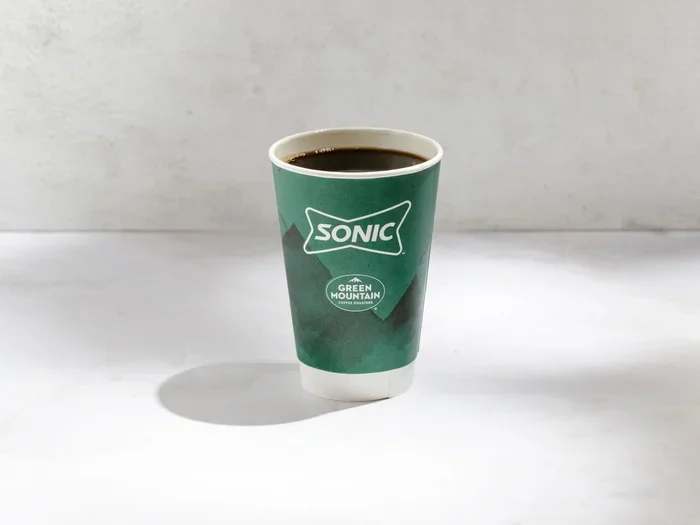
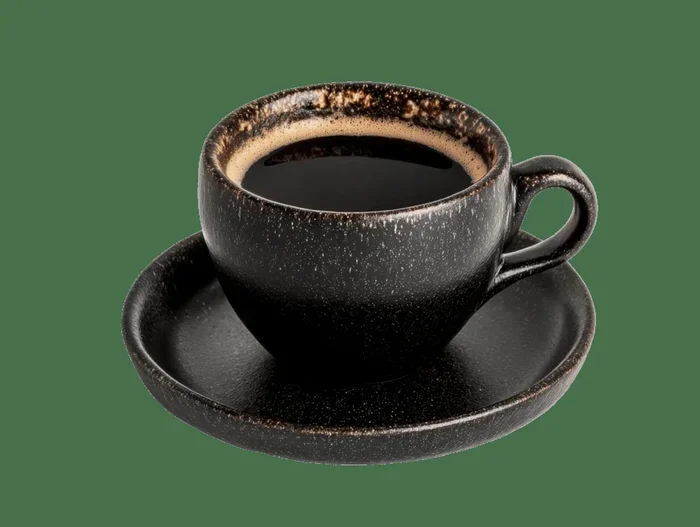
Black coffee contains only about 2 to 5 calories per cup, making it one of the lowest-calorie beverages you can drink. It is essentially calorie-free when consumed without sugar, cream, or flavorings. Understanding black coffee calories helps you make smarter choices if you are watching your daily intake or trying to lose weight.
You probably already know that black coffee is one of the most popular drinks in the world. But have you ever stopped to wonder about the calories in black coffee? The short answer is that black coffee has very few calories. The long answer is a lot more interesting, and it might change the way you think about your morning cup.
Whether you drink coffee to wake up, to enjoy the rich flavor, or to support your fitness goals, understanding what is actually in your cup matters. Many people assume coffee is zero calories, but the truth is slightly more nuanced. In this article, we will break down exactly how many calories black coffee contains, why those numbers matter, and how your choices can turn a healthy drink into a hidden calorie bomb.
We will also look at how black coffee calories compare to other coffee drinks, what the research says about coffee and weight management, and simple tips to keep your coffee as low-calorie as possible. By the end, you will have everything you need to enjoy your coffee with full confidence.
Key Takeaways
- Black coffee is nearly calorie-free: A standard 8-ounce cup contains just 2 to 5 calories.
- Adding ingredients changes everything: Sugar, cream, and flavored syrups can turn a zero-calorie drink into a high-calorie treat.
- Brewing method matters slightly: Espresso, drip coffee, and French press coffee all have minimal calorie differences.
- Black coffee supports weight loss: It can boost metabolism and suppress appetite naturally.
- Read labels carefully: Some coffee shop drinks labeled “black” still contain hidden calories from flavorings or milk.
- Moderation is key: Even though black coffee is low in calories, excessive caffeine intake can cause side effects.
📑 Table of Contents
- What Are Calories in Black Coffee?
- Why Black Coffee Calories Matter for Your Diet
- Black Coffee vs. Other Popular Coffee Drinks
- How to Keep Your Black Coffee as Low-Calorie as Possible
- Health Benefits of Drinking Black Coffee
- Common Myths About Black Coffee Calories
- How Many Cups of Black Coffee Should You Drink?
- Conclusion
What Are Calories in Black Coffee?
Let us start with the basics. A calorie is a unit of energy. Your body uses calories from food and drinks to function. When you consume fewer calories than you burn, you lose weight. When you consume more, you gain weight. So even small calorie counts in drinks can add up over time.
A standard 8-ounce cup of brewed black coffee contains approximately 2 to 5 calories. That is almost nothing. To put this in perspective, an 8-ounce glass of whole milk has about 150 calories. An 8-ounce glass of orange juice has around 110 calories. Compared to those, black coffee is essentially a non-event in terms of calorie content.
Where do those 2 to 5 calories come from? They come from tiny amounts of naturally occurring compounds in coffee beans. These include small traces of protein, fiber, and oils that remain after brewing. The brewing process extracts flavor, caffeine, and antioxidants, but it leaves behind almost all of the caloric content of the bean.
Calorie Breakdown by Coffee Type
Not all black coffee is exactly the same. Different brewing methods extract different amounts of compounds from the grounds. Here is a simple breakdown of calories in black coffee by type:
- Drip Brewed Coffee: 2 to 5 calories per 8-ounce cup
- Espresso (single shot): About 3 calories per 1-ounce shot
- French Press Coffee: 2 to 5 calories per 8-ounce cup
- Pour Over Coffee: 2 to 5 calories per 8-ounce cup
- Cold Brew Coffee: 2 to 5 calories per 8-ounce cup
- Instant Coffee: 2 to 4 calories per 8-ounce cup
As you can see, the differences are minimal. Whether you prefer drip coffee or espresso, the calorie count stays very low. This is good news for anyone who loves coffee without cream or sugar.
One thing to note is that instant coffee is a slightly different product. It is made from freeze-dried or spray-dried coffee extract. Some people wonder if instant coffee has more calories because of its processing. The answer is no. Instant black coffee still contains only about 2 to 5 calories per cup. However, some flavored instant coffee products may contain added sugars or creamers that increase the calorie count significantly.
Why Black Coffee Calories Matter for Your Diet
You might be thinking, “Two calories is nothing. Why does it even matter?” And you are not wrong. Two calories is a tiny number. But here is the thing: most people do not drink just one cup of coffee. Many people drink three, four, or even five cups a day. If you are adding anything to those cups, those calories can multiply fast.
Understanding black coffee calories becomes important when you start adding ingredients. A single teaspoon of sugar adds about 16 calories. A tablespoon of cream adds around 52 calories. A flavored syrup pump from a coffee shop can add 20 to 40 calories per pump. Before you know it, your “simple” morning coffee has turned into a 200-calorie drink.
Black Coffee and Weight Loss
One of the biggest reasons people pay attention to coffee calories is weight loss. Black coffee is often recommended as a weight-loss-friendly beverage, and for good reason. Here is how it works:
- Boosts Metabolism: Caffeine can increase your metabolic rate by 3 to 11 percent. This means your body burns slightly more calories at rest after drinking coffee.
- Suppresses Appetite: Some studies suggest that caffeine can temporarily reduce feelings of hunger, which may help you eat less at your next meal.
- Enhances Exercise Performance: Drinking black coffee before a workout can improve endurance and fat burning.
- Zero Sugar, Zero Fat: Plain black coffee contains no sugar and no fat, making it one of the cleanest low-calorie beverages available.
It is important to note that coffee alone is not a magic weight-loss solution. It is a helpful tool when combined with a balanced diet and regular exercise. But the fact that you can enjoy a warm, flavorful drink without worrying about your calorie count is definitely a win.
How Coffee Affects Your Daily Calorie Budget
Let us do a quick math exercise. The average adult needs about 2,000 calories per day to maintain their weight. If you drink four cups of plain black coffee throughout the day, you are adding about 8 to 20 calories total. That is less than 1 percent of your daily budget.
Now imagine you add two teaspoons of sugar and a splash of cream to each cup. That brings each cup to about 80 calories. Four cups would be 320 calories. That is 16 percent of your daily budget, just from coffee additions.
This is exactly why knowing your black coffee calories matters. The coffee itself is not the problem. The problem is what we put into it.
Black Coffee vs. Other Popular Coffee Drinks
Not all coffee drinks are created equal when it comes to calories. Some are incredibly low in calories, while others can contain as many calories as a full meal. Let us compare black coffee to some popular coffee drinks you might find at your favorite café.
Calorie Comparison Table
Here is a side-by-side look at how coffee calories stack up across different drinks:
- Black Coffee (8 oz): 2 to 5 calories
- Americano (8 oz): 5 to 15 calories (espresso plus hot water)
- Latte (8 oz, whole milk): 180 to 200 calories
- Cappuccino (8 oz): 120 to 140 calories
- Mocha (8 oz): 250 to 350 calories
- Flavored Latte (12 oz): 300 to 400 calories
- Frozen Coffee Drink (16 oz): 400 to 600 calories
The difference is staggering. A plain black coffee has virtually no calories, while a frozen coffee drink can have as many calories as a cheeseburger. This comparison makes it clear why choosing black coffee is one of the simplest ways to reduce your daily calorie intake.
What Makes the Difference?
The main culprits behind high-calorie coffee drinks are milk, cream, sugar, flavored syrups, and whipped cream. A latte uses steamed milk, which is calorie-dense. A mocha adds chocolate syrup, which is loaded with sugar. A frozen coffee drink often includes ice cream or frozen yogurt.
When you drink black coffee, you skip all of that. You get the rich, bold flavor of coffee without any of the extras. It is the purest form of this beloved beverage.
If you are not ready to go fully black, there are middle-ground options. You can try a small amount of oat milk, which has fewer calories than whole milk. Or you can use a natural zero-calorie sweetener like stevia instead of sugar. These small swaps can dramatically reduce your coffee calories while still making the drink enjoyable.
How to Keep Your Black Coffee as Low-Calorie as Possible
Now that you know black coffee calories are already minimal, let us talk about how to keep them that way. The goal is simple: enjoy great-tasting coffee without sneaking in extra calories.
Choose the Right Beans
The foundation of great black coffee starts with the beans. Freshly roasted, whole beans give you the best flavor without any added calories. Look for beans that are roasted within the last two to four weeks for maximum freshness. The roast level, whether light, medium, or dark, does not significantly affect the calorie content. It mainly changes the flavor profile.
If you buy pre-ground coffee, store it in an airtight container away from light and moisture. Freshness matters because stale coffee can taste flat or bitter, which might tempt you to add sugar or cream to mask the flavor.
Invest in Good Brewing Equipment
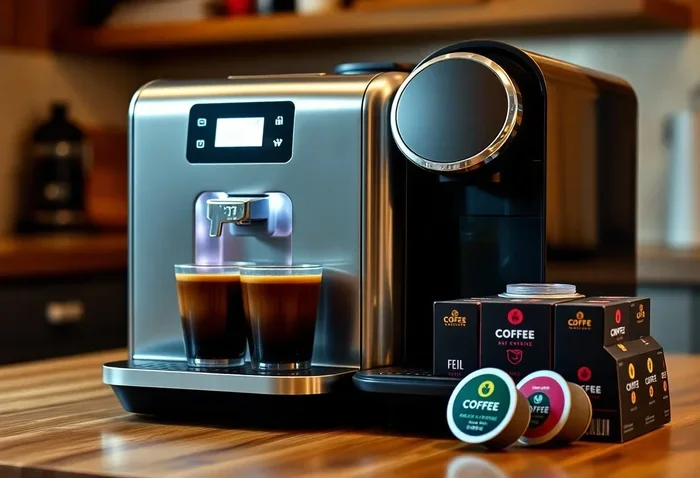
The equipment you use to brew your coffee can make a big difference in taste. A quality Cuisinart coffee maker or a simple pour-over dripper can extract the full flavor from your beans without needing any additions. When your coffee tastes great on its own, you are less likely to reach for sweeteners or creamers.
Some people prefer instant coffee for convenience, and that is perfectly fine. Just check the label to make sure you are buying plain instant coffee without added flavors, sugars, or creamer powders. Pure instant coffee is still very low in calories.
Watch What You Add
This is the most important step. Here is a quick list of common coffee additions and their calorie impact:
- Sugar (1 teaspoon): 16 calories
- Whole Milk (1 tablespoon): 9 calories
- Heavy Cream (1 tablespoon): 52 calories
- Flavored Syrup (1 pump): 20 to 40 calories
- Whipped Cream (1 dollop): 50 to 80 calories
- Caramel Sauce (1 pump): 20 to 30 calories
As you can see, even small additions can quickly add up. The best way to keep your coffee truly low-calorie is to drink it black. If that feels too strong at first, try gradually reducing the amount of sugar and cream until you can enjoy it without any additions.
Quick Tips for Low-Calorie Black Coffee
- Use a smaller cup to control portions
- Try cold brew for a smoother, less acidic taste
- Add a pinch of cinnamon for natural flavor without calories
- Drink your coffee soon after brewing for the best taste
- Experiment with different bean origins to find flavors you love
- Avoid pre-flavored coffee products that may contain hidden sugars
Health Benefits of Drinking Black Coffee
Beyond its minimal calorie content, black coffee offers several health benefits that make it a great choice for your daily routine. Let us look at what the research says.
Rich in Antioxidants
Black coffee is one of the largest sources of antioxidants in the typical Western diet. Antioxidants help protect your cells from damage caused by free radicals. These compounds have been linked to reduced risk of several chronic diseases, including type 2 diabetes, heart disease, and certain types of cancer.
Supports Mental Clarity
Caffeine in black coffee blocks adenosine, a neurotransmitter that makes you feel tired. This leads to increased alertness, improved concentration, and better mood. Many people rely on their morning black coffee to kickstart their brain and get through the day.
May Reduce Risk of Certain Diseases
Several large-scale studies have found that regular coffee drinkers have a lower risk of developing conditions like Parkinson’s disease, Alzheimer’s disease, and liver cirrhosis. While coffee is not a cure, it appears to offer protective benefits when consumed in moderation.
Supports Physical Performance
Caffeine stimulates the nervous system and signals fat cells to break down body fat. It also increases adrenaline levels, which prepares your body for physical exertion. Many athletes drink black coffee before workouts to improve performance and endurance.
Digestive Health
Coffee can stimulate bowel movements and support digestive regularity. This is why some people notice they need to use the restroom shortly after drinking coffee. If you are curious about why this happens, this article explains the digestive effects of coffee in more detail.
Common Myths About Black Coffee Calories
There are several myths floating around about coffee calories that can confuse people. Let us clear up some of the most common ones.
Myth 1: Black Coffee Has Zero Calories
This is the most common myth. While black coffee is extremely low in calories, it is not technically zero calories. A cup of brewed black coffee contains about 2 to 5 calories from trace amounts of protein, fiber, and oils. For all practical purposes, it is negligible, but it is not exactly zero.
Myth 2: Decaf Coffee Has More Calories Than Regular Coffee
This is not true. Decaffeinated coffee has virtually the same calorie content as regular black coffee. The decaffeination process removes caffeine but does not add calories. Both types contain about 2 to 5 calories per cup.
Myth 3: Dark Roast Coffee Has More Calories
Roast level does not significantly affect the calorie content of coffee. Light roast, medium roast, and dark roast all contain similar amounts of calories per cup. The differences are in flavor and caffeine content, not in energy value.
Myth 4: Coffee Creamer Makes Coffee Unhealthy
A small amount of creamer in your coffee will not make it unhealthy. The problem comes when you add large amounts regularly. A splash of cream here and there adds minimal calories. But if you are drinking multiple cups a day with generous amounts of creamer, those calories can add up quickly.
How Many Cups of Black Coffee Should You Drink?
While black coffee is low in calories and offers health benefits, moderation is still important. Most health experts recommend limiting caffeine intake to about 400 milligrams per day. This is roughly equivalent to four 8-ounce cups of brewed black coffee.
Drinking more than four cups a day can lead to side effects like restlessness, anxiety, insomnia, and rapid heartbeat. Some people are more sensitive to caffeine than others. If you notice any negative effects, try reducing your intake or switching to half-caff.
Pregnant women should be especially careful with caffeine. The recommended limit during pregnancy is typically 200 milligrams per day or less. Always consult your doctor if you have concerns about your caffeine consumption.
Also, keep in mind that the timing of your coffee matters. Drinking coffee late in the day can interfere with sleep, and poor sleep can affect your metabolism and appetite the next day. Try to enjoy your last cup of black coffee before noon if possible.
Conclusion
Black coffee is one of the simplest, lowest-calorie beverages you can enjoy. With only 2 to 5 calories per cup, it is an excellent choice for anyone watching their calorie intake or trying to maintain a healthy lifestyle. The key takeaway is that the coffee itself is not the issue. It is what you add to it that can turn a near-zero-calorie drink into something much higher in energy.
Understanding how much calories black coffee has empowers you to make informed choices. Whether you drink it plain, with a splash of milk, or with a natural sweetener, knowing the facts helps you stay in control of your daily nutrition. So go ahead and enjoy your next cup of black coffee with confidence. It is one of the simplest and most enjoyable ways to stay on track with your health goals.
Remember, the best coffee is the one you enjoy drinking. If plain black coffee is not your style right now, that is perfectly okay. You can always work toward reducing your additions over time. The most important thing is that you are mindful of what goes into your cup and that you are enjoying the process.
Frequently Asked Questions
Does black coffee have any calories at all?
Yes, but very few. A standard 8-ounce cup of brewed black coffee contains approximately 2 to 5 calories. These come from trace amounts of protein, fiber, and natural oils in the coffee beans. For practical purposes, it is considered nearly calorie-free.
Will adding cream to black coffee significantly increase the calories?
Yes, adding cream increases the calorie count. One tablespoon of heavy cream adds about 52 calories. One tablespoon of whole milk adds around 9 calories. The more cream or milk you add, the more calories your coffee will contain.
Is black coffee good for weight loss?
Black coffee can support weight loss efforts because it is very low in calories, boosts metabolism, and may suppress appetite temporarily. However, it is not a magic solution on its own. It works best when combined with a balanced diet and regular exercise.
How many calories are in a cup of black espresso?
A single shot of espresso (1 ounce) contains about 3 calories. A double shot (2 ounces) has roughly 6 calories. Espresso is extremely low in calories because it is a concentrated brew with a very small serving size.
Does flavored black coffee have more calories?
Yes, flavored black coffee can have more calories if the flavoring contains sugar or syrup. Pure black coffee with natural flavorings like cinnamon or vanilla extract remains very low in calories. Always check the label on flavored coffee products for added sugars.
Can I drink black coffee on a low-calorie diet?
Absolutely. Black coffee is one of the best beverages for a low-calorie diet. It provides flavor, warmth, and a caffeine boost without adding meaningful calories. Just be mindful of how many cups you drink per day and avoid adding sugar or cream.