How Do Coffee Makers Work Everything You Need to Know
A coffee maker heats water and passes it through coffee grounds to extract flavor and create a fresh brew. Whether you use a drip coffee maker, espresso machine, or single serve coffee maker, the basic principles of coffee extraction remain the same. Understanding how your machine works helps you brew better coffee and keep your appliance running smoothly for years.
Have you ever wondered what happens inside your machine when you press the start button? How do coffee makers work is a question many coffee lovers ask. The answer is simpler than you might think. At its core, every coffee maker does the same basic job. It heats water and runs it through ground coffee to create a delicious drink. But the details of how this happens can vary quite a bit depending on the type of machine you own.
Knowing how your coffee maker works gives you an edge. You will brew better coffee. You will fix small problems faster. And you will get more life out of your appliance. This guide covers everything you need to know. We will look at the main parts, the different types of machines, and the step by step brewing process. Whether you use a drip coffee maker or a fancy espresso machine, this article has you covered.
Key Takeaways
- Understanding the basics: All coffee makers heat water and push it through coffee grounds to extract flavor.
- Different types exist: Drip coffee makers, espresso machines, pod machines, and French presses all work differently.
- The brewing process matters: Water temperature, grind size, and brew time affect the taste of your coffee.
- Maintenance is key: Regular cleaning keeps your coffee maker working well and your coffee tasting great.
- Simple fixes help: Knowing your coffee maker parts lets you troubleshoot common problems at home.
📑 Table of Contents
- What Is a Coffee Maker and Why Does It Matter
- The Main Parts of a Coffee Maker
- How Different Coffee Maker Types Work
- The Coffee Brewing Process Step by Step
- Tips for Better Coffee Brewing
- How to Maintain Your Coffee Maker
- Common Coffee Maker Problems and How to Fix Them
- How Coffee Makers Compare to Other Kitchen Appliances
- Final Thoughts on How Coffee Makers Work
What Is a Coffee Maker and Why Does It Matter
A coffee maker is a kitchen appliance designed to brew coffee automatically. It takes whole bean coffee or pre ground coffee, heats water to the right temperature, and passes that water through the grounds. The result is a fresh cup of coffee ready to drink. These machines come in all shapes and sizes. Some sit on your countertop and brew a full pot. Others make just one cup at a time.
Understanding how your coffee maker works matters for a few key reasons. First, it helps you make better coffee. When you know the right water temperature and brew time, you can adjust your routine. Second, it helps you troubleshoot problems. If your machine is not brewing properly, you can check the parts that might be causing the issue. Third, it helps you take care of your machine. Regular cleaning and maintenance keep everything running smoothly.
Most people think of a coffee maker as a simple gadget. But inside, there is a lot going on. The heating element, the water reservoir, the filter, and the carafe all work together. Each part plays a role in the coffee brewing process. Let us break down what those parts are and what they do.
The Main Parts of a Coffee Maker
Every coffee maker has a set of core parts that make the brewing process possible. These coffee maker parts work together like a team. If one part is not working right, the whole machine suffers. Here are the most important components you should know about.
Water Reservoir
The water reservoir is where you pour the water before brewing. It holds the water until the machine is ready to heat it. Most reservoirs are removable, which makes filling and cleaning easy. The size of the reservoir determines how many cups your machine can brew at once. A larger reservoir is great for families or offices where many people want coffee.
Heating Element
The heating element is the part that heats the water. It is usually located at the base of the machine. Some coffee makers use a tube system to move water over the heating element. This raises the water to the right coffee brewing temperature, which is between 195 and 205 degrees Fahrenheit. If the heating element fails, your machine will not brew coffee at all.
Coffee Filter
The coffee filter holds the coffee grounds in place while the water passes through. There are two main types of filters. Paper filters are disposable and keep oils out of your coffee. Reusable metal or cloth filters let more natural oils through, which can make the flavor richer. The filter is a key part of the coffee extraction process because it controls what ends up in your cup.
Carafe or Mug
The carafe is the container that catches the brewed coffee. Most drip coffee makers use a glass carafe that sits on a warming plate. Some modern machines brew directly into a travel mug or a single serve carafe. The carafe keeps the coffee warm after brewing is complete.
Control Panel
The control panel lets you set the brew strength, timing, and other options. Many machines now have programmable settings. You can set your coffee maker the night before and wake up to fresh coffee in the morning. The control panel is where you tell the machine what to do.
How Different Coffee Maker Types Work
Not all coffee makers work the same way. Different types of machines use different methods to brew coffee. Each method has its own advantages. Let us look at the most popular coffee maker types and how they work.
Drip Coffee Makers
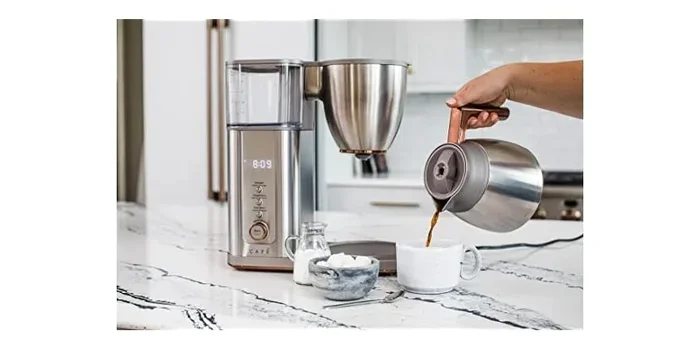
The drip coffee maker is the most common type found in homes and offices. It works by heating water in the reservoir and then dripping it over a bed of coffee grounds. The water passes through the filter and drips into the carafe below. This method is simple and reliable. It produces a clean, consistent cup of coffee every time.
Most drip machines have a shower head that spreads the water evenly over the grounds. Even distribution is important for proper coffee extraction. If the water hits only one spot, the coffee will taste weak or uneven. Drip coffee makers are great for making multiple cups at once. They are easy to use and require very little effort.
Espresso Machines
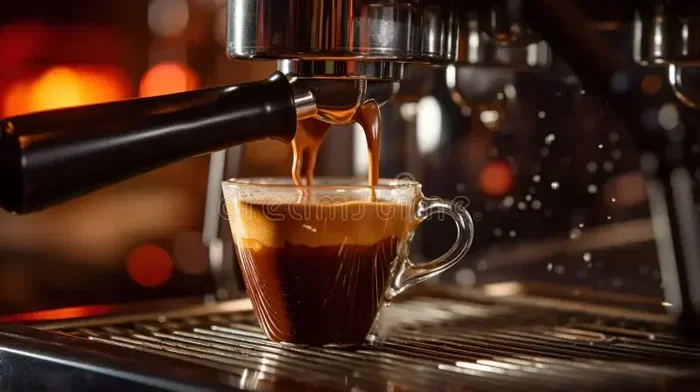
An espresso machine works very differently from a drip coffee maker. It uses high pressure to force hot water through finely ground coffee. This creates a concentrated shot of coffee with a thick layer of crema on top. The pressure is usually between 9 and 15 bars. This high pressure is what gives espresso its bold flavor and rich texture.
Espresso machines come in several types. Manual machines let you control every part of the process. Semi automatic machines handle the water pressure but let you grind and tamp the coffee. Fully automatic machines do almost everything for you. If you love strong coffee or milk based drinks like lattes and cappuccinos, an espresso machine is a great choice.
Single Serve Coffee Makers
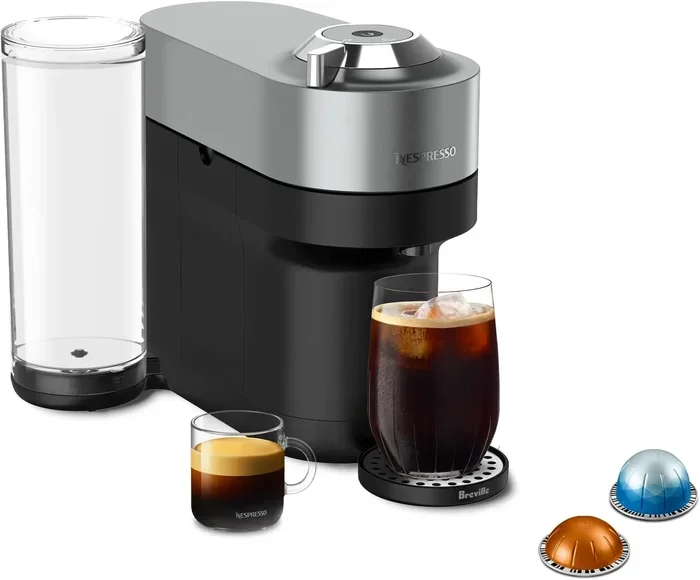
A single serve coffee maker is designed to brew one cup at a time. These machines use pods or capsules filled with pre measured coffee grounds. You place the pod in the machine, add water, and press a button. The machine punctures the pod and pushes hot water through it. The brewed coffee drips directly into your cup.
Single serve machines are very convenient. They are perfect for people who drink one cup a day or who have different coffee preferences in the same household. However, they can be more expensive per cup than other methods. The pods also create more waste unless you use reusable pod options.
French Press
A French press is not an electric machine, but it is still a popular way to brew coffee. You add coarsely ground coffee to the press, pour hot water over it, and let it steep for about four minutes. Then you press down a metal filter plunger to separate the grounds from the liquid. The result is a full bodied, rich cup of coffee.
French press coffee has more oils and sediment than drip coffee. This gives it a stronger, more robust flavor. It is a simple method that does not require any electricity or special parts. Many coffee lovers prefer the French press for its straightforward approach to how to make coffee.
Pod and Capsule Machines
Pod and capsule machines are similar to single serve coffee makers but use a specific system of pre packed pods. These machines are designed to work with brand specific capsules. The machine punctures the capsule and forces water through it at high speed. The coffee then flows into your cup below. These machines are fast and easy to use, making them a popular choice for busy mornings.
The Coffee Brewing Process Step by Step
Now that you know the parts and types, let us walk through the coffee brewing process. Understanding each step helps you make better coffee. Here is what happens inside your machine when you hit the brew button.
Step 1: Water is drawn from the reservoir. The machine pulls water from the tank through a tube. The amount of water depends on how many cups you have selected.
Step 2: The water is heated. The heating element brings the water to the proper coffee brewing temperature. This is usually between 195 and 205 degrees Fahrenheit. Water that is too hot will burn the grounds and make the coffee bitter. Water that is too cool will not extract enough flavor.
Step 3: Hot water is distributed over the coffee grounds. In a drip machine, the water is sprayed evenly over the grounds through a shower head. In an espresso machine, the water is forced through the grounds under pressure. In a French press, you pour the water over the grounds yourself.
Step 4: Coffee extraction occurs. As the hot water passes through the grounds, it picks up flavor oils, caffeine, and other compounds. This is the coffee extraction process. The length of time the water stays in contact with the grounds affects the strength and flavor of the coffee.
Step 5: The brewed coffee drips into the carafe. The liquid passes through the filter, which catches the used grounds. The clean coffee collects in the carafe or mug below. The warming plate keeps the carafe at a safe serving temperature.
Step 6: The coffee is ready to drink. Once brewing is complete, you can pour yourself a cup. Most machines signal when the process is done with a beep or a light.
Each of these steps is important. If any one step goes wrong, the final cup of coffee will suffer. For example, using the wrong water temperature can ruin even the best coffee grounds. That is why understanding the coffee brewing process gives you so much control over the final result.
Tips for Better Coffee Brewing
Now that you understand how coffee makers work, here are some practical tips to improve your brewing. These simple changes can make a big difference in the taste of your coffee.
- Use fresh, cold water. The quality of the water matters a lot. Filtered water tastes better than tap water in most cases.
- Grind your beans just before brewing. Freshly ground coffee has more flavor and aroma than pre ground coffee that has been sitting on the shelf.
- Measure your coffee grounds carefully. A good rule of thumb is two tablespoons of coffee per six ounces of water. Adjust to your taste.
- Check the water temperature. If your machine does not heat the water enough, the coffee will taste weak. Look for machines that heat water to at least 195 degrees.
- Clean your machine regularly. Mineral buildup from hard water can affect the taste of your coffee and damage your machine over time.
- Do not leave coffee on the warming plate too long. Coffee that sits on heat for more than 20 minutes starts to taste burnt and bitter.
These tips apply to all coffee maker types. Whether you use a drip machine, an espresso machine, or a French press, the principles of good brewing remain the same. Pay attention to the details and you will notice a big improvement in every cup.
How to Maintain Your Coffee Maker
Regular coffee maker maintenance keeps your machine working well and your coffee tasting fresh. A clean machine brews better coffee and lasts longer. Here is what you should do to take care of your coffee maker.
First, wash the carafe and filter basket after every use. Leftover coffee oils can go rancid and affect the flavor of your next brew. A quick rinse with warm soapy water is usually enough. For the water reservoir, wipe it out weekly to prevent buildup.
Second, descale your machine every one to three months. Descaling removes mineral deposits that build up inside the heating element and tubes. You can use a commercial descaling solution or a simple mixture of vinegar and water. Run the solution through a brewing cycle, then rinse the machine with clean water two or three times.
Third, replace your coffee filters as needed. Paper filters should be changed after each use. Reusable metal filters should be cleaned thoroughly and replaced when they start to wear out. A clogged filter slows down the brewing process and affects the coffee extraction.
Fourth, check the power cord and plug for any damage. A frayed cord is a safety hazard. If you notice any issues, unplug the machine and have it repaired or replaced.
Taking care of your coffee maker is just like taking care of any other kitchen appliance. A little regular maintenance goes a long way. If you ever need to deep clean other kitchen equipment, you might find tips similar to how to clean oven with dishwasher tablet without scrubbing, which works for tough kitchen stains and buildup.
Common Coffee Maker Problems and How to Fix Them
Even the best coffee makers can have issues from time to time. Here are some common problems and simple fixes you can try at home.
Problem: The machine is not turning on. Check that it is plugged in and the outlet is working. Also check if the carafe is properly seated, as many machines have a safety switch that prevents brewing if the carafe is not in place.
Problem: The coffee tastes weak. This usually means the coffee grounds are too coarse or there are not enough grounds. Try using a finer grind or adding more coffee to the filter. Also check that the water temperature is hot enough.
Problem: The coffee tastes bitter. Bitter coffee often means the water is too hot or the coffee has been brewing too long. Try using a coarser grind or reducing the brew time. Also make sure you are not leaving the coffee on the warming plate for too long.
Problem: Water is leaking from the machine. Check the water reservoir and make sure it is seated properly. A cracked reservoir or a loose tube can cause leaks. If the problem continues, it may be time to replace the machine.
Problem: The coffee takes too long to brew. Mineral buildup in the tubes and heating element can slow down the process. Descaling the machine usually fixes this problem quickly.
Most coffee maker problems have simple solutions. Before you call a repair service or buy a new machine, try these basic troubleshooting steps first.
How Coffee Makers Compare to Other Kitchen Appliances
Coffee makers share some similarities with other kitchen appliances. Like an air fryer oven, they use a heating element and a fan or pump to move hot air or water through the machine. Understanding how different kitchen appliances work can help you appreciate the engineering behind your coffee maker. Just as you would learn how to work an air fryer oven to get the best results, learning how your coffee maker works helps you brew better coffee.
Each kitchen appliance has its own unique purpose. The coffee maker is designed specifically for brewing coffee. It does one job very well. Understanding that focus helps you use the machine more effectively and appreciate the simple elegance of its design.
When you buy a new coffee maker, look for features that match your needs. Do you want a machine that can brew a full pot for the whole family? Or do you prefer a compact single serve coffee maker for one person? Knowing how the machine works helps you make the right choice.
Final Thoughts on How Coffee Makers Work
How do coffee makers work is a great question, and now you have the answer. From the water reservoir to the carafe, every part of your coffee maker plays an important role in the coffee brewing process. Whether you prefer a simple drip coffee maker, a powerful espresso machine, or a convenient single serve coffee maker, understanding the basics helps you brew better coffee every day.
Take the time to learn your machine. Read the manual. Try different coffee grounds and water temperatures. Experiment with the coffee brewing methods that appeal to you. The more you understand about your coffee maker, the more you will enjoy every cup.
Good coffee starts with a good machine and good knowledge. Use the tips in this guide to get the most out of your coffee maker. Your morning cup of coffee will taste better, and your machine will last longer. Happy brewing.
Frequently Asked Questions
How long does a coffee maker take to brew a full pot?
Most drip coffee makers take between 5 and 10 minutes to brew a full 12 cup pot. Single serve machines are faster and can brew one cup in about 1 to 3 minutes. The brew time depends on the machine type and the amount of coffee you are making.
What is the best water temperature for brewing coffee?
The ideal coffee brewing temperature is between 195 and 205 degrees Fahrenheit. Water that is too hot will over extract the coffee and make it bitter. Water that is too cool will under extract and produce weak coffee. Most automatic coffee makers heat water to this range by default.
How often should I clean my coffee maker?
You should wash the carafe and filter basket after every use. A deeper clean with descaling should be done every one to three months depending on how often you use the machine and how hard your water is. Regular coffee maker maintenance keeps the machine running well and the coffee tasting fresh.
Can I use regular ground coffee in a single serve coffee maker?
Yes, you can use regular ground coffee in a single serve coffee maker if you use a reusable pod or filter basket. Many single serve machines come with a reusable option. This lets you use your own coffee grounds instead of pre filled pods, which saves money and reduces waste.
What is the difference between a coffee maker and an espresso machine?
A coffee maker uses gravity and drip method to brew coffee slowly. An espresso machine uses high pressure to force hot water through finely ground coffee quickly. Espresso produces a concentrated, strong shot with crema on top. A regular coffee maker produces a milder, larger volume of brewed coffee.
Do coffee makers need filtered water?
Filtered water is not required but it is recommended. Filtered water has fewer minerals and impurities, which means less buildup inside your machine. It also improves the taste of the coffee. If you use tap water, make sure to descale your machine more often to prevent mineral deposits from affecting the coffee extraction process.