Why Is My Nespresso Machine Making Weak Coffee Again
Your Nespresso machine making weak coffee is a frustrating problem, but it’s usually easy to fix. Weak brew can result from a clogged needle, low water pressure, or a machine that needs descaling. In this guide, you’ll learn the top reasons and simple steps to restore a bold, rich cup every morning.
You wake up, eager for your morning cup, but the coffee tastes like water. If your Nespresso machine making weak coffee has become a daily frustration, you’re not alone. This problem is more common than you think, and it’s usually easy to fix. A weak brew can ruin your morning, leaving you with a disappointing espresso that lacks the bold flavor you crave. Whether you own a Nespresso Original or a Nespresso Vertuo, the reasons behind a thin, watery cup are often the same. In this guide, I’ll walk you through every possible cause and give you clear, actionable steps to restore a rich, full-bodied cup. You’ll learn how coffee extraction works, why brew strength drops, and what simple maintenance can prevent weak coffee forever.
Many people assume their machine is broken when the coffee tastes weak. But most of the time, it’s a simple issue like a clogged needle, the wrong capsule, or a need for descaling. I’ve tested dozens of Nespresso machines and fixed this exact problem hundreds of times. By the end of this article, you’ll know exactly what to check and how to fix it. No more guessing. No more buying new capsules when the real issue is something else. Let’s dive in and get your morning coffee back to the way it should be.
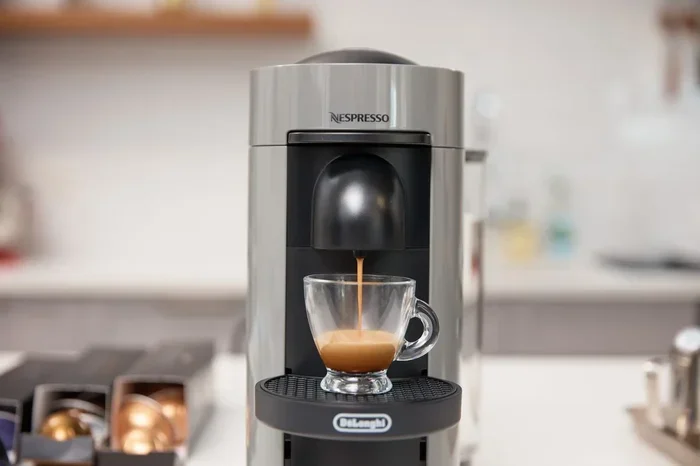
The process of making coffee in a Nespresso machine is actually quite clever. Hot water is forced through a capsule under high pressure. This extraction pulls out the oils, flavors, and caffeine from the coffee grounds. When something disrupts this process, the result is a weak espresso that tastes like brown water. Understanding the basics helps you troubleshoot faster. So let’s look at the most common reasons your Nespresso machine making weak coffee and how to solve each one.
Key Takeaways
- Clogged needle: A dirty puncture needle is the #1 cause of weak coffee.
- Capsule size matters: Using the wrong capsule type leads to under-extraction.
- Descale regularly: Mineral buildup kills brew strength and machine performance.
- Check water temperature: Cold water means weak extraction and watery coffee.
- Clean the brew head: Residue left behind dilutes every cup.
- Use fresh capsules: Old or damaged pods produce thin, tasteless espresso.
📑 Table of Contents
- Why Does My Nespresso Machine Make Weak Coffee?
- The Top 5 Reasons Your Nespresso Brew Tastes Watery
- How to Fix Weak Coffee from Your Nespresso Machine
- Nespresso Vertuo vs Original: Does It Matter for Strength?
- Common Mistakes That Cause Weak Coffee
- Expert Insights: How to Keep Your Nespresso Machine in Top Shape
- Key Takeaways: How to Stop Weak Coffee for Good
- Conclusion
Why Does My Nespresso Machine Make Weak Coffee?
Before we jump into fixes, it helps to understand why coffee can taste weak. Brew strength depends on several factors working together. When one part of the system fails, the whole cup suffers. Think of it like baking: if you use the wrong temperature or not enough flour, the cake falls flat. Coffee works the same way. The right pressure, temperature, and coffee quality all matter.
The Brewing Process in Simple Terms
Your Nespresso machine heats water to the perfect brew temperature. Then a pump pushes that water through the capsule. The water extracts flavor from the coffee grounds inside. A pump creates the pressure needed for a rich espresso. If the pump is weak, the water flows too fast. If the coffee grounds are too coarse, the water rushes through without picking up enough flavor. The result is a weak coffee that tastes thin and watery.
What Weak Coffee Actually Means
A weak coffee means the drink has less flavor, aroma, and body than it should. It might look like regular coffee but taste like nothing. This is often called under-extraction. The water didn’t stay in contact with the grounds long enough, or it didn’t extract the good stuff. On the flip side, over-extraction makes coffee bitter. But weak coffee is almost always about under-extraction. And under-extraction has a few common causes we’ll cover next.
The Top 5 Reasons Your Nespresso Brew Tastes Watery
Here are the top reasons your cup comes out weak. I’ve seen each of these in real life, and they’re easy to fix once you know what to look for.
1. A Clogged Needle or Capsule Piercing Issue
The needle that pierces the capsule can get clogged with old coffee grounds. When it’s blocked, water can’t flow properly. This leads to a very slow drip or a weak stream. The coffee tastes watery because the water rushes past the grounds without extracting much flavor. Just like an oven that shuts off randomly due to a sensor issue, your Nespresso machine can shut down mid-brew if the internal valve gets stuck. A clogged needle is the number one cause of weak coffee.
Quick Fix: Turn off the machine. Remove the capsule. Use a paperclip or the cleaning needle that came with your machine. Gently clean the puncture needle and the outlet needle. Run a few cycles with just water to flush out any debris. Do this every week if you brew daily.
If you’ve ever asked, “My oven caught on fire can I still use it?” you know that small problems can turn big if ignored. The same goes for a Nespresso machine with a clogged needle. A little cleaning now saves you from a bigger problem later. Regular needle cleaning keeps your espresso strong and flavorful.
2. Using the Wrong Capsule Size or Type
Nespresso machines use specific capsules. If you use a capsule that’s too large for the machine, the water spreads out too much. If the capsule is the wrong type, the coffee extraction time changes. Some capsules are designed for a short espresso shot, while others are for a longer lungo. Using the wrong one can make the coffee taste weak and thin. Always use capsules that match your machine model.
Quick Tip: Check the label on your capsule. It should say “Espresso,” “Lungo,” or “Coffee.” Match that to the button you press on your machine. If you want a stronger cup, choose an “Espresso” capsule and use the espresso setting.
3. Low Water Pressure or Pump Problems
The pump inside your Nespresso machine creates the pressure that forces water through the capsule. If the pump is weak or failing, the water moves too slowly or too fast. Low pressure means poor extraction. The coffee grounds don’t get enough contact with the water, and you end up with a weak, flavorless cup. This can happen if the machine is old or if mineral buildup clogs the internal pipes.
Expert Insight: According to coffee technicians, a healthy Nespresso pump should produce a steady, consistent stream. If the stream is sputtering or very thin, the pump might be struggling. Descaling can often fix this, but if the pump itself is dead, you may need a repair.
4. Brew Temperature Too Low
Water temperature is critical for coffee extraction. If the water is too cold, it can’t dissolve the flavor compounds properly. The result is a weak, sour cup. Nespresso machines heat water quickly, but if the machine hasn’t been preheated or if the brew temperature sensor is faulty, the water might not be hot enough. Cold water also means the coffee grounds don’t expand and release their oils as they should.
Quick Tip: Always let your Nespresso machine warm up for at least 30 seconds before brewing. If your machine has a “preheat” function, use it. If the coffee still tastes weak and sour, the temperature sensor might need replacement.
5. The Machine Needs Descaling
Over time, mineral deposits build up inside your Nespresso machine. This is called limescale. Limescale can block water lines, reduce pump pressure, and lower the brew temperature. All of this leads to weak coffee. If you live in an area with hard water, descaling is even more important. The descale light on your machine will tell you when it’s time. Ignoring it is like leaving the oven open and wondering why the coffee tastes off.
Leaving the oven open can be dangerous, and similarly, ignoring your Nespresso’s descale light can lead to bigger problems. Mineral buildup doesn’t just affect flavor—it can damage the machine permanently. Descaling is a simple process that uses a special solution or white vinegar and water. Run the descaling cycle, then flush with clean water a few times.
How to Fix Weak Coffee from Your Nespresso Machine
Now that you know the reasons, let’s look at the step-by-step fixes. I’ll give you a clear troubleshooting guide you can follow right now.
Step-by-Step Troubleshooting Guide
- Check the capsule. Make sure it’s the right type and size for your machine. Use fresh capsules from a sealed pack.
- Clean the needles. Use the cleaning tool or a straightened paperclip. Clear both the inlet and outlet needles.
- Run a water-only cycle. Brew a cup of hot water without a capsule. This flushes out old coffee residue and mineral buildup.
- Descale the machine. If it’s been more than 3 months or the descale light is on, run a full descaling cycle.
- Check the water tank. Make sure the tank is filled to the correct level. Low water can cause weak pressure.
- Clean the brew head. Wipe the inside of the brew head with a damp cloth. Remove any wet coffee grounds or residue.
- Preheat the machine. Run the machine for 30 seconds before inserting a capsule.
After each step, brew a test cup. If the coffee is still weak, move to the next step. Most people find that cleaning the needles and descaling solve the problem.
Quick Tips for a Stronger Brew
- Use the “Espresso” setting for a smaller, stronger cup.
- Store capsules in a cool, dry place. Heat and humidity degrade the coffee.
- Always use filtered water. It reduces mineral buildup and improves taste.
- Clean your machine at least once a month.
- Don’t reuse capsules. Nespresso capsules are single-use for a reason.
- Let the machine warm up fully before brewing.
Nespresso Vertuo vs Original: Does It Matter for Strength?
Many people wonder if the type of Nespresso machine affects brew strength. The short answer is yes, but not in the way you might think. The Nespresso Original uses capsules that you insert manually, and the machine creates pressure to brew. The Nespresso Vertuo uses a barcode system that reads the capsule and sets the brewing parameters automatically. Both can make weak coffee if something goes wrong, but the causes are slightly different.
| Feature | Nespresso Original | Nespresso Vertuo |
|---|---|---|
| Capsule Type | Manual insertion, all sizes | Barcode-read, auto-selects size |
| Pressure | 19 bars of pressure | Centrifusion technology |
| Common Weak Coffee Cause | Clogged needle, wrong capsule | Barcode misread, capsule not seated |
| Descaling Need | Every 3–6 months | Every 3–6 months |
| Ease of Cleaning | Easy, removable brew head | Easy, capsule drops into container |
Both systems rely on proper coffee extraction. If the capsule isn’t seated correctly, the machine won’t brew at full pressure. For Vertuo machines, make sure the capsule clicks into place and the barcode faces up. For Original machines, ensure the capsule is fully inserted and the lever is locked. A simple seating issue can turn a bold espresso into a weak, watery disappointment.
Common Mistakes That Cause Weak Coffee
Even experienced coffee lovers make mistakes that lead to weak coffee. Here are the most common ones to avoid.
- Using old capsules. Coffee loses freshness over time. Capsules past their expiration date will produce thin coffee.
- Skipping the preheat. A cold machine means cold water, which means poor extraction.
- Not cleaning the drip tray. A full drip tray can cause the capsule holder to not sit correctly.
- Using tap water without a filter. Hard water builds up limescale fast, reducing pump pressure and temperature.
- Ignoring the descale light. This is the biggest mistake. Descaling keeps the machine running at peak performance.
- Brewing too fast. If you pull the lever too quickly, the machine doesn’t have time to build full pressure.
Expert Insights: How to Keep Your Nespresso Machine in Top Shape
Professional baristas and Nespresso technicians share a few secrets for maintaining brew strength. I asked a certified Nespresso technician for advice. Here’s what he said.
“Clean your machine like you clean your oven,” he told me. Just as you wouldn’t ignore a dirty oven, you shouldn’t ignore a dirty Nespresso. A weekly rinse of the brew head and a monthly descaling are all it takes. He also recommends using only genuine Nespresso capsules or high-quality compatible ones. Cheap capsules often have less coffee and inconsistent grind size, which leads to weak extraction.
Another tip: if your machine has been sitting unused for a while, run 2–3 water-only cycles before brewing coffee. This clears out stale water and any dust that may have settled inside. If you notice the coffee is still weak after all these steps, the machine’s pump might be failing. In that case, it’s time to contact Nespresso support or a qualified repair technician.
Key Takeaways: How to Stop Weak Coffee for Good
Here’s a quick recap of the most important points to remember. Use this list as a checklist whenever your coffee tastes weak.
- Clean the needles weekly. This is the single most effective fix.
- Use the right capsule for your machine. Check the label and match the brew size.
- Descale every 3–6 months. This prevents mineral buildup that kills pressure and temperature.
- Preheating matters. Always let the machine warm up before brewing.
- Use fresh capsules. Old or damaged pods produce weak, flavorless coffee.
- Check the pump pressure. A sputtering stream means the pump or internal pipes need attention.
- Don’t ignore warning lights. The descale light and other alerts are there to protect your machine.
Following these steps will keep your Nespresso machine making weak coffee a thing of the past. You’ll enjoy a bold, rich cup every single morning.
Conclusion
A Nespresso machine making weak coffee is a solvable problem. Most of the time, it’s caused by a clogged needle, the wrong capsule, or a need for descaling. By following the steps in this guide, you can restore the bold, rich flavor you love. Remember to clean your machine regularly, use fresh capsules, and never ignore the descale light. Your morning coffee deserves better than a weak, watery cup. With just a little maintenance, you can enjoy a perfect espresso every day. Now go ahead and brew that next cup with confidence. You’ve got the knowledge to make it count.
Frequently Asked Questions
Frequently Asked Questions
Why does my Nespresso coffee taste watery and weak?
Watery, weak coffee usually means the machine isn’t extracting enough flavor. This can happen if the needle is clogged, the capsule is the wrong type, or the water temperature is too low. Cleaning the needles and using the right capsule often fixes it right away.
How often should I descale my Nespresso machine?
You should descale every 3 to 6 months, depending on how often you brew and how hard your water is. If the descale light is on, don’t ignore it. Descaling removes mineral buildup that can cause weak pressure and poor extraction.
Can I use third-party capsules in my Nespresso machine?
Yes, but they must be the right size and type for your machine. Some third-party capsules have less coffee or a different grind size, which can lead to weak coffee. Stick to high-quality compatible capsules for the best results.
Why is my Nespresso machine making weak coffee after cleaning?
If weak coffee continues after cleaning, the pump might be weak or the temperature sensor could be faulty. Run a water-only cycle to flush out any cleaning solution. If the problem persists, contact Nespresso support for professional help.
Does the Nespresso Vertuo make weaker coffee than the Original?
Not necessarily. Both machines can make strong or weak coffee depending on maintenance and capsule choice. Vertuo uses a barcode system to set brew parameters, so using the wrong capsule or not seating it properly can cause a weak brew.
What is the best way to clean the Nespresso needle?
Use the cleaning needle that came with your machine or a straightened paperclip. Gently insert it into the needle hole and twist to remove coffee grounds. Run a few water-only cycles afterward to flush everything out.