How To Make Vietnamese Coffee With Espresso Step By Step
Vietnamese coffee with espresso combines the bold richness of espresso with the sweet, creamy tradition of Vietnamese condensed milk coffee. You only need a few simple ingredients — espresso, sweetened condensed milk, and a coffee filter — to create a café-quality drink at home. This step-by-step guide walks you through the entire process, from choosing the right beans to serving the perfect cup. Whether you like it hot or iced, this coffee recipe is fast, customizable, and incredibly satisfying.
Vietnamese coffee with espresso is one of the most rewarding coffee drinks you can make at home. It brings together the intense punch of espresso with the silky sweetness of condensed milk. The result is a drink that feels indulgent yet simple. If you love strong coffee but want something a little different from your usual morning cup, this recipe is for you.
What makes this drink special is its balance. The espresso provides a deep, roasted flavor. The condensed milk adds creaminess and sweetness. Together, they create something that feels both exotic and familiar. You do not need a fancy coffee shop or expensive gear. With just a few minutes and a handful of ingredients, you can enjoy this rich coffee drink right in your own kitchen.
In this guide, we walk you through every single step. You will learn what equipment you need, how to prepare each component, and how to combine them for the best possible result. We also share tips for adjusting the flavor and avoiding common mistakes. By the end, you will be brewing Vietnamese coffee with espresso like a pro.
Key Takeaways
- Easy to Make: You only need three core ingredients and basic equipment to brew Vietnamese coffee with espresso at home.
- Highly Customizable: Adjust the strength, sweetness, and temperature to match your personal taste perfectly.
- Rich in Flavor: The combination of espresso and condensed milk creates a uniquely bold yet sweet coffee experience.
- Quick Preparation: The entire process takes less than 10 minutes, making it ideal for busy mornings.
- Two Serving Styles: Enjoy it as a hot coffee or pour it over ice for a refreshing iced version.
- Uses Common Equipment: No specialty gear is required — just an espresso machine or stovetop moka pot and a standard coffee filter.
📑 Table of Contents
What Is Vietnamese Coffee With Espresso?
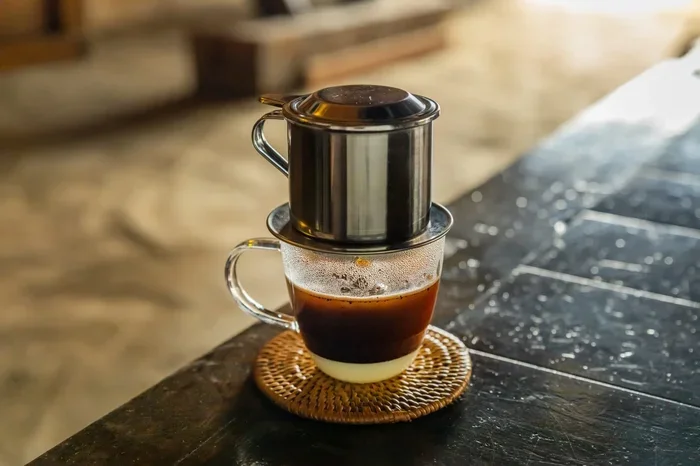
Vietnamese coffee with espresso is a fusion drink. It takes the traditional Vietnamese coffee method and pairs it with a shot of espresso. Traditional Vietnamese coffee uses a small metal filter called a phin. You place finely ground coffee inside the filter, add hot water, and let it drip slowly into a cup of sweetened condensed milk. The result is a strong, sweet, and full-bodied coffee.
Adding espresso to the mix gives the drink an extra layer of intensity. Espresso is brewed under pressure, which extracts more flavor and oils from the coffee grounds. This creates a richer, more concentrated base. When you combine espresso with condensed milk, you get a coffee drink that is bold, creamy, and deeply satisfying.
The Origins of Vietnamese Coffee
Vietnamese coffee has a fascinating history. Coffee was first introduced to Vietnam by French colonists in the 19th century. The French brought their coffee culture, and the Vietnamese adapted it to their own tastes. They developed the phin filter, which is slow and hands-on. They also embraced condensed milk because fresh milk was not always easy to find in the tropical climate.
Over time, Vietnamese coffee became a beloved part of daily life. Street vendors and coffee shops serve it throughout the day. It is often enjoyed as a sweet iced drink, especially in the hot weather. The tradition has spread around the world, and now people everywhere are discovering the joy of this unique coffee style.
Why Combine Vietnamese Coffee With Espresso?
The combination works beautifully for several reasons. First, espresso adds a layer of complexity that traditional Vietnamese coffee sometimes lacks. The pressure extraction brings out oils and flavors that a slow drip method cannot reach. Second, the espresso shot adds body and a velvety texture to the drink.
Third, this fusion method is faster. Traditional phin coffee can take 4 to 5 minutes to drip. An espresso shot takes only 25 to 30 seconds. By using espresso, you save time without sacrificing flavor. Fourth, it is incredibly easy to make at home. You do not need a phin filter or any special equipment beyond an espresso machine or moka pot.
What You Will Need
Before you start, gather everything you need. Having your ingredients and tools ready makes the process smooth and enjoyable. Here is a complete list.
Essential Equipment
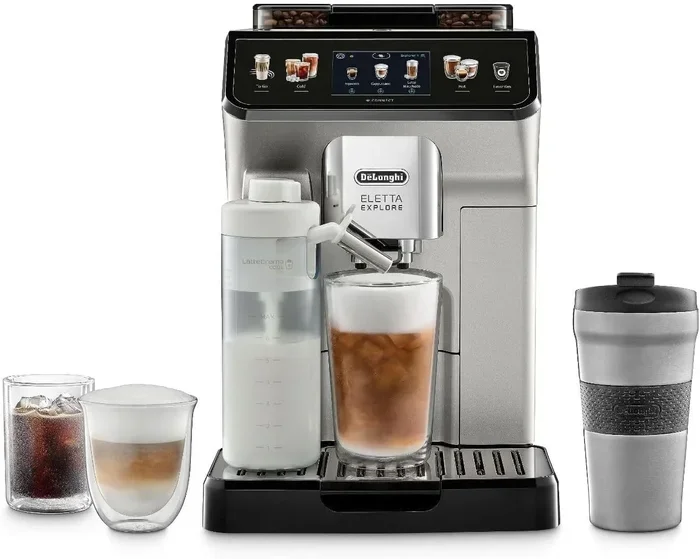
- Espresso machine or moka pot: This is the most important tool. A standard espresso machine works perfectly. If you do not have one, a moka pot on the stove is a great alternative. You can also use a stovetop espresso maker for a similar result.
- Coffee filter or phin: While not strictly necessary, a small coffee filter helps you control the flow. Some people prefer to skip the filter entirely and just use the espresso shot.
- Measuring spoons: Accurate measurements matter for consistent results. Just like you would measure carefully for other kitchen tasks, precise coffee measurements make a big difference.
- Mug or glass: A tall glass works best, especially if you plan to serve the drink over ice.
- Stirring spoon: A simple spoon is all you need to mix the condensed milk and coffee together.
Ingredients
- Freshly ground coffee: Use medium-fine to fine ground coffee. Vietnamese coffee traditionally uses a dark roast, which brings out bold, smoky flavors. You can use any dark roast you enjoy.
- Sweetened condensed milk: This is the secret ingredient. It adds sweetness and a creamy texture. One tablespoon is usually enough per cup, but you can adjust to taste.
- Fresh water: Use clean, filtered water for the best flavor. The water quality affects the taste of your coffee significantly.
- Ice (optional): If you prefer your Vietnamese coffee iced, have plenty of ice ready.
- Espresso beans: Choose high-quality beans for your espresso shot. A medium-dark roast works well for this drink.
Step By Step Guide to Making Vietnamese Coffee With Espresso
Now comes the fun part. Follow these steps carefully, and you will have a delicious cup of Vietnamese coffee with espresso in no time. Each step is simple, but they all work together to create the perfect drink.
Step 1: Prepare Your Espresso Shot
Start by brewing your espresso shot. If you are using an espresso machine, grind your beans to a fine consistency. Tamp the grounds evenly in the portafilter. Lock it in and pull a single shot, which should take about 25 to 30 seconds.
The espresso should come out as a steady stream with a rich, golden crema on top. This crema is important. It adds a smooth, creamy texture to your Vietnamese coffee. If the espresso tastes too bitter, try using a slightly lighter roast or adjusting the grind size.
If you are using a moka pot, fill the bottom chamber with water up to the valve. Add ground coffee to the filter basket, tamp it lightly, and screw the pot together. Place it on the stove over medium heat. Once you hear a hissing sound, remove it from the heat immediately.
Step 2: Sweeten the Bottom of Your Glass
While the espresso is brewing, add sweetened condensed milk to your glass. Start with one tablespoon. You can always add more later. The condensed milk should sit at the bottom of the glass, ready to be mixed with the hot coffee.
The amount of condensed milk you use depends on how sweet you like your coffee. Some people prefer a lightly sweetened drink. Others like it very sweet and creamy. Start with one tablespoon and adjust in half-teaspoon increments until you find your perfect balance.
Pro tip: Use room-temperature condensed milk. It mixes more easily with the hot espresso than cold milk straight from the fridge. This small trick makes a big difference in how smoothly the drink comes together.
Step 3: Brew the Coffee Using Your Filter
This step is optional but adds a lovely traditional touch. Place your coffee filter or phin on top of the glass. Add two tablespoons of finely ground coffee into the filter. Use a flat spoon to press the grounds down gently. Do not pack them too tightly.
Boil your water and let it cool for about 30 seconds. Water that is too hot can scorch the coffee and create a bitter taste. The ideal temperature is around 200°F (93°C). Pour a small amount of hot water into the filter and wait 15 to 20 seconds. This allows the coffee to bloom and release its oils.
Then, pour the remaining water into the filter. Place the lid on top and let the coffee drip slowly. This process takes about 3 to 4 minutes. Do not rush it. The slow drip is what gives Vietnamese coffee its rich, concentrated flavor.
Step 4: Combine the Espresso and Coffee
Once the coffee has finished dripping, remove the filter. You should see a layer of concentrated coffee sitting on top of the condensed milk. Now it is time to add your espresso shot.
Pour the hot espresso directly into the glass. The espresso will sink through the condensed milk and mix with the dripped coffee. Use a long spoon to stir gently. Stir from the bottom up to fully incorporate the condensed milk with the coffee and espresso.
Stir for about 10 to 15 seconds. You want the mixture to look smooth and uniform. The condensed milk should be fully blended, giving the drink its signature creamy, caramel-like appearance. Taste it at this point and adjust sweetness or strength as needed.
Step 5: Serve and Enjoy
Your Vietnamese coffee with espresso is ready. You can drink it hot or pour it over a glass full of ice for a refreshing iced version. If you are serving it iced, fill the glass with ice before adding the coffee mixture. The ice will cool the drink quickly and create a slightly diluted, refreshing texture.
For an extra touch, you can add a splash of cold water to the hot coffee before adding ice. This helps cool it down faster and prevents the ice from melting too quickly. Some people also like to add a dash of vanilla extract or a sprinkle of cinnamon on top for extra flavor.
Serve immediately and enjoy while it is fresh. Vietnamese coffee with espresso is best when it is hot and creamy. The flavors are most vibrant right after preparation.
Tips for the Perfect Cup
Making great Vietnamese coffee with espresso is all about small details. These tips will help you elevate your drink from good to amazing.
Adjusting Strength and Sweetness
The beauty of this drink is how customizable it is. If you like strong coffee, use two espresso shots instead of one. If you prefer a milder flavor, use a lighter roast or reduce the amount of coffee grounds in the filter.
For sweetness, start with one tablespoon of condensed milk and taste. Add more if you like it sweeter. Remember that the condensed milk is already quite sweet, so a little goes a long way. You can also try using half condensed milk and half regular milk for a lighter, less sweet version.
Iced vs Hot Variations
Both versions are delicious, but they taste slightly different. The hot version has a richer, more intense flavor. The espresso and coffee oils stay fully concentrated, giving you a bold, warming drink. The iced version is refreshing and slightly mellow. The ice dilutes the coffee just enough to soften the intensity.
If you make the iced version, consider making the coffee a bit stronger to account for the dilution from melting ice. You can also freeze some of the coffee into coffee ice cubes. This way, as the ice melts, it actually adds more coffee flavor instead of watering it down.
Using Quality Ingredients
The quality of your ingredients matters a lot. Use freshly roasted coffee beans and grind them just before brewing. Freshly ground coffee has more flavor and aroma than pre-ground coffee. For the condensed milk, choose a good-quality brand. Some brands are sweeter or creamier than others, so experiment to find one you like.
If you are serious about coffee, consider investing in a burr grinder. It gives you a consistent grind size, which is essential for both espresso and filter coffee. Consistent grounds mean consistent flavor every time you brew.
Cleaning and Maintenance
Keep your espresso machine and coffee tools clean for the best taste. Just as you would regularly clean your kitchen appliances, maintaining your espresso equipment ensures great flavor. Rinse the portafilter after each use and descale your machine regularly. A clean machine brews better coffee.
Common Mistakes to Avoid
Even experienced coffee makers can make mistakes when trying something new. Here are the most common errors and how to avoid them.
- Using water that is too hot: Boiling water burns coffee grounds and creates a bitter taste. Let the water cool for 30 seconds after boiling before pouring it over the coffee.
- Adding too much condensed milk: It is easy to overdo it. Start with a small amount and add more gradually. You can always add sweetness, but you cannot take it away.
- Skipping the bloom: When using a coffee filter, pouring a little water first and waiting 15 to 20 seconds allows the coffee to release its flavors. Skipping this step results in a flatter taste.
- Using stale coffee beans: Fresh beans make a huge difference. Coffee loses its flavor within weeks of being roasted. Buy beans in small quantities and use them within two to four weeks.
- Not stirring enough: The condensed milk needs to be fully mixed with the coffee. Stir thoroughly from the bottom to ensure an even, creamy texture throughout the drink.
- Rushing the drip: The slow drip is the heart of Vietnamese coffee. Do not press down on the filter or force the water through. Let it happen naturally for the best flavor.
Why Vietnamese Coffee With Espresso Is Worth Trying
This coffee drink offers something special that you will not find in a standard cup of drip coffee. The combination of espresso and condensed milk creates a flavor profile that is rich, sweet, and deeply satisfying. It is the kind of coffee drink that makes you slow down and savor each sip.
It is also incredibly easy to make at home. You do not need advanced barista skills or expensive equipment. With an espresso machine or even a moka pot, you can recreate this Vietnamese favorite in your own kitchen. The process is simple enough for beginners but rewarding enough for coffee enthusiasts.
Another reason to try this drink is the versatility. You can make it hot or iced, strong or mild, sweet or subtle. It fits any season, any time of day. Morning, afternoon, or evening, a cup of Vietnamese coffee with espresso always feels like a treat.
If you enjoy exploring different coffee styles, this drink is a natural next step. It bridges the gap between traditional Vietnamese coffee culture and modern espresso techniques. The result is something familiar yet new, comforting yet exciting.
Once you make it a few times, you will develop your own preferred ratio of espresso to condensed milk to coffee drip. That personal touch is what makes home brewing so rewarding. You create a drink that is truly yours, tailored to your exact taste.
Conclusion
Making Vietnamese coffee with espresso at home is easier than you might think. The process combines the best of two coffee traditions. You get the bold intensity of espresso and the sweet, creamy richness of Vietnamese condensed milk coffee. The result is a drink that is bold yet smooth, strong yet sweet, and simple yet impressive.
Follow the steps in this guide, experiment with the ratios, and soon you will have a go-to coffee recipe that you can enjoy any time. Whether you prefer it hot on a cold morning or iced on a warm afternoon, Vietnamese coffee with espresso delivers a wonderful experience every single time.
Grab your ingredients, brew your espresso, and give this drink a try. You might just discover your new favorite way to enjoy coffee. Once you start making Vietnamese coffee with espresso, you will never go back to your old routine.
Frequently Asked Questions
Can I use regular ground coffee instead of espresso beans?
Yes, you can. However, espresso beans are roasted longer and ground finer, which gives a richer, more concentrated flavor. If you use regular ground coffee, the drink will taste milder. You can compensate by using a bit more coffee in the filter or adding an extra shot of espresso from your machine.
Do I need an espresso machine to make this drink?
No, you do not need an espresso machine. A moka pot is an excellent alternative that produces a similar concentrated coffee. You can also use a strong drip coffee maker if that is all you have. The key is to brew a strong, concentrated base that pairs well with the sweet condensed milk.
Can I use non-dairy condensed milk?
Absolutely. Coconut milk condensed milk is a popular choice and adds a lovely tropical flavor. You can also find almond milk or oat milk condensed milk options. Each will give the drink a slightly different taste and texture, so feel free to experiment.
How long does Vietnamese coffee with espresso take to make?
The entire process takes about 8 to 10 minutes. The espresso shot takes less than a minute. The coffee filter drip takes 3 to 4 minutes. Mixing and serving takes another minute or two. It is a quick and easy coffee drink to prepare, especially compared to more complex café beverages.
Can I make Vietnamese coffee with espresso ahead of time?
It is best to make it fresh, as the flavors are most vibrant right after preparation. However, you can pre-measure your ingredients and store the condensed milk in the glass. When you are ready, just brew the espresso and coffee, pour them in, and stir. For iced coffee, you can brew the coffee concentrate ahead and refrigerate it.
What is the difference between Vietnamese coffee with espresso and regular Vietnamese coffee?
Regular Vietnamese coffee uses only the phin filter drip method with condensed milk. Vietnamese coffee with espresso adds a shot of espresso to the mix. This makes the drink stronger, richer, and more complex in flavor. The espresso also adds a velvety crema that enhances the texture of the drink.