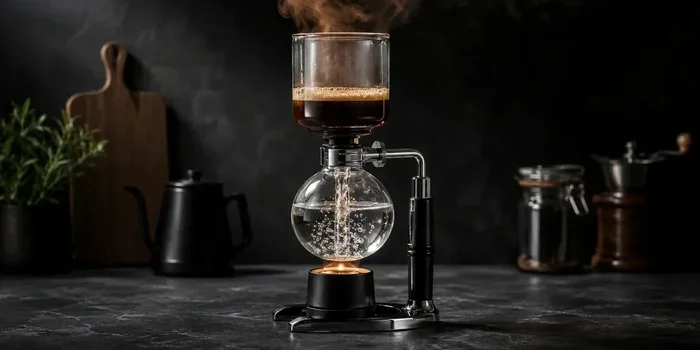
How to Make Perfect Siphon Coffee Step by Step Guide
Siphon coffee, also known as vacuum coffee, delivers a clean and rich cup that highlights every subtle note in your beans. This step-by-step guide walks you through the entire process, from choosing the right siphon coffee maker to nailing the perfect water temperature and brew time. Whether you are a beginner or a seasoned home barista, you will find practical tips to elevate your coffee brewing game right away.
There is something magical about siphon coffee. The theatrical bubbling, the rich aroma that fills the room, and the remarkably clean cup in your hand all make this brewing method feel like a ritual. If you have ever watched a barista work a siphon coffee maker and thought, “I want to try that,” you are in the right place.
This guide covers everything you need to know about siphon coffee. We will walk through the equipment you need, the science behind the method, and a detailed step-by-step process you can follow at home. By the end, you will understand why so many coffee lovers consider siphon brewing one of the best ways to brew coffee at home.
The siphon coffee maker has been around since the 1830s, but it has gained a huge following in recent years. Specialty coffee shops and home enthusiasts alike love the method because it gives you remarkable control over coffee extraction. Every variable, from water temperature to grind size, shapes the final cup. Once you learn the basics, you can start experimenting and dial in your perfect cup.
Key Takeaways
- Siphon coffee uses vacuum pressure to extract a clean, full-flavored cup: The science behind the method gives you control over every variable.
- A quality siphon coffee maker is essential: Choose between glass and metal models based on your needs and budget.
- Water temperature and grind size matter enormously: Aim for 195°F to 205°F and a medium-fine grind for the best extraction.
- Follow the step-by-step brewing process carefully: Timing each phase ensures consistent, delicious results.
- Clean your equipment after every use: Proper maintenance keeps your siphon coffee maker performing at its best.
- Avoid common mistakes like overheating or using the wrong grind: These small errors can ruin an otherwise perfect cup.
📑 Table of Contents
What Is Siphon Coffee and Why It Is Worth Making
Siphon coffee is a vacuum-based brewing method that uses two chambers. Water sits in the lower chamber, and coffee grounds go in the upper chamber. You heat the water, which pushes it up into the upper chamber where it mixes with the grounds. Then, when you remove the heat, gravity and vacuum pressure pull the brewed coffee back down through a filter and into the lower chamber.
The result is a cup that tastes remarkably clean and bright. Because the coffee filter separates the grounds from the liquid so thoroughly, you get a brew with no sediment. The flavor profile tends to be more nuanced than what you get from a standard drip machine. Many people describe siphon coffee as having a silky mouthfeel with pronounced acidity and clarity.
What makes this method special is the level of control it gives you. You decide the heat source, the water temperature, the brew time, and the grind size. This is not just a novelty gadget. It is a legitimate coffee brewing method that produces exceptional results when done right.
The Science Behind Siphon Brewing
Siphon coffee relies on a simple scientific principle. When you heat water in the lower chamber, it creates vapor pressure that pushes the water up a tube into the upper chamber. Once the water reaches the top, it mixes with the coffee grounds. The immersion phase allows the grounds to steep and release their flavors fully.
When you remove the heat source, the temperature drops, and a vacuum forms in the lower chamber. This vacuum pulls the brewed coffee back down through the filter. The entire process takes about one to three minutes, and every second counts. That is why understanding brewing time and water temperature is so important for getting the best results.
What You Will Need: Siphon Coffee Maker and Equipment
Before you start, you need the right gear. The centerpiece of your setup is the siphon coffee maker itself. These come in different sizes, materials, and designs. Let us break down what you need and what to look for.
Types of Siphon Coffee Makers
Most siphon coffee makers fall into two categories. Glass models are the most popular for home use. They look beautiful and let you watch the brewing process unfold. The downside is that glass can be fragile, so you need to handle it with care.
Metal or silicone siphon coffee makers are more durable and travel-friendly. They do not look as elegant as glass models, but they are practical for everyday use. Some coffee enthusiasts prefer metal because it retains heat better, which can affect the coffee extraction process.
Essential Accessories
- Butane or alcohol burner: This is your heat source. Butane burners are the most common and provide consistent, adjustable heat.
- Filters: Cloth, paper, or metal filters all work. Cloth filters give the most natural flavor, while paper filters produce the cleanest cup.
- Grinder: You need a burr grinder to achieve a consistent medium-fine grind. Blade grinders create uneven particles that lead to over- or under-extraction.
- Scale: Measuring your coffee and water by weight ensures consistency every time.
- Kettle: A gooseneck kettle gives you precision control when pouring water into the lower chamber.
Step-by-Step Guide to Making Perfect Siphon Coffee
Now for the fun part. Follow these steps carefully, and you will be rewarded with a spectacular cup of siphon coffee. Pay attention to the details, because each step affects the final result.
Step 1: Prepare Your Water
Start with fresh, cold filtered water. The quality of your water matters more than most people realize. Avoid distilled water because it lacks the minerals that help extract flavor from the grounds. Heat your water to between 195°F and 205°F. This is the sweet spot for coffee brewing. Boiling water (212°F) can scorch the grounds and create bitter flavors.
Quick Tip: If you do not have a thermometer, bring your water to a boil and then let it sit for about 30 seconds. This brings it right into the ideal range. Getting the water temperature right is one of the most important factors in making great siphon coffee.
Step 2: Grind Your Coffee Beans
Measure out your coffee beans. A good starting ratio is 1 gram of coffee for every 15 to 16 grams of water. Grind your beans to a medium-fine consistency. Think of the texture as similar to table salt, not as fine as flour and not as coarse as sea salt.
The coffee grounds need to be consistent in size for even extraction. If some particles are too fine and others too coarse, you will end up with a cup that tastes both bitter and sour at the same time. A burr grinder is the best tool for this job because it produces a uniform grind size every time.
Step 3: Assemble the Siphon Coffee Maker
Place the lower chamber on your heat source. Add the prepared water to the lower chamber. Then, attach the upper chamber securely. Make sure the seal is tight so no air escapes during brewing. Insert the filter into the upper chamber and wet it with hot water. This pre-wetting step removes any papery taste and helps the filter sit properly.
Add your ground coffee to the upper chamber. Give the grounds a gentle stir to make sure they are all saturated. At this point, your setup should look like a small science experiment, and that is exactly how it should feel.
Step 4: Apply Heat and Brew
Light your burner and place it under the lower chamber. Watch as the water begins to rise into the upper chamber. This usually takes about 30 to 60 seconds. Once all the water has moved up, give the grounds a gentle stir with a spoon or chopstick.
Let the coffee brew for about 60 to 90 seconds. During this time, the water and grounds are interacting, extracting flavors, oils, and aromas. The brewing time is critical. Too short and your coffee will taste weak and sour. Too long and it becomes over-extracted and bitter. This is similar to how baking time and temperature must be carefully balanced, much like monitoring how long to bake steak in the oven at 350 degrees to get the perfect result.
Step 5: Remove Heat and Let the Coffee Draw Down
Once the brewing time is up, remove the heat source. Within 30 to 60 seconds, the vacuum will pull the brewed coffee back down through the filter and into the lower chamber. You will hear a gentle gurgling sound as this happens. Do not rush this step. Let the vacuum do its work naturally.
When the bubbling stops, your siphon coffee is ready. Remove the upper chamber carefully. The coffee in the lower chamber is now a clean, sediment-free brew that is ready to serve.
Step 6: Serve and Enjoy
Pour your siphon coffee into a pre-warmed cup. The ideal serving temperature is around 160°F to 170°F. Siphon coffee tastes best when you drink it soon after brewing, while the coffee aroma is at its peak. Take a moment to appreciate the clean body, the bright acidity, and the complex flavors that this method brings out.
If you like your coffee black, this is the perfect way to drink it. You can also add a small splash of milk or cream if you prefer. The clean profile of siphon coffee means the milk does not mask the subtle flavors the way it sometimes does with darker roasts.
Common Mistakes to Avoid When Brewing Siphon Coffee
Even with the best equipment, mistakes can happen. Here are the most common errors people make when brewing siphon coffee, and how to avoid them.
Using Water That Is Too Hot
Boiling water is the enemy of great siphon coffee. Water that is too hot extracts harsh, bitter compounds from the grounds. This is the same principle that applies to many cooking methods, including how you carefully control temperature when you reheat baked chicken in the oven to keep it moist and flavorful rather than drying it out.
Skipping the Pre-Wetting Step
For paper filters, always wet them before brewing. This removes any papery taste and helps the filter conform to the glass. Skipping this step can leave a noticeable off-flavor in your cup.
Using the Wrong Grind Size
A coarse grind will result in weak, under-extracted coffee. A grind that is too fine will clog the filter and create a bitter, muddy cup. Stick with a medium-fine grind and adjust from there based on your taste preferences.
Not Cleaning Your Equipment Properly
Residual oils and coffee grounds build up over time and affect the flavor of your next brew. Clean your siphon coffee maker after every use. Just as you would keep your kitchen equipment spotless, maintaining your coffee equipment ensures each cup tastes fresh. Proper cleaning is similar to how you would deep clean an oven without scrubbing, using the right technique to keep everything in top condition.
Tips for the Perfect Cup of Siphon Coffee Every Time
Once you have the basics down, these tips will help you refine your technique and get the most out of every brew.
- Use fresh, whole beans: Grind your coffee right before brewing for maximum flavor. Coffee starts losing its aroma within 15 minutes of grinding.
- Experiment with ratios: The 1:15 to 1:16 ratio is a great starting point, but do not be afraid to adjust. If your coffee tastes too strong, add a little more water. If it tastes too weak, use more grounds.
- Preheat your chambers: Rinse both chambers with hot water before brewing. This keeps the temperature stable during the process and helps the coffee extract more evenly.
- Stir gently: One or two gentle stirs are enough. Over-stirring can cause the grounds to clump and create uneven extraction.
- Keep a brewing log: Write down your water temperature, grind size, ratio, and brew time for each session. This helps you replicate your best cups and troubleshoot any issues.
- Store your siphon coffee maker properly: After cleaning, let all parts dry completely before storing. This prevents mold and keeps the glass in good condition.
Maintenance and Care for Your Siphon Coffee Maker
Taking care of your siphon coffee maker extends its life and keeps your coffee tasting great. After each use, disassemble the maker and wash all parts with warm, soapy water. For stubborn residue, a soft brush works wonders. Let everything dry completely before reassembling.
Replace your filters regularly. Cloth filters should be washed after every use and replaced every few months. Paper filters are single-use and should be discarded after each brew. Metal filters can last longer but need thorough cleaning to prevent oil buildup.
Just as you would maintain other kitchen equipment, like keeping your oven clean with a dishwasher tablet without scrubbing, regular care for your siphon coffee maker ensures it continues to perform at a high level for years to come.
Final Thoughts on Siphon Coffee
Making perfect siphon coffee is a rewarding skill that anyone can learn. The method gives you a level of control and clarity in your cup that few other brewing methods can match. From choosing the right coffee grounds to mastering the heat and timing, every step matters.
Start simple. Follow the steps in this guide, focus on getting the basics right, and then experiment. Adjust your grind size, try different beans, and tweak your brew time. Over time, you will develop an intuition for what works best for your palate.
The beauty of siphon coffee is that it turns a daily routine into a moment of enjoyment. The process is slow, deliberate, and satisfying. When you take that first sip of a perfectly brewed cup, you will understand why so many coffee lovers are drawn to this method. Keep practicing, keep experimenting, and most importantly, enjoy the journey.
Siphon coffee is more than just a way to make caffeine. It is a craft, a ritual, and a celebration of the complex flavors hiding inside every bag of coffee beans. With the right equipment, the right technique, and a little patience, you can make a cup that rivals anything you would find in a specialty coffee shop. So go ahead, fire up your burner, and start brewing.
Frequently Asked Questions
What is the best water temperature for siphon coffee?
The ideal water temperature for siphon coffee is between 195°F and 205°F. Water that is too hot will over-extract the grounds and create a bitter taste. Water that is too cool will under-extract and produce a weak, sour cup. Using a thermometer helps you nail the right temperature every time.
How long should I brew siphon coffee for?
Brewing time for siphon coffee is typically 60 to 90 seconds after all the water has risen into the upper chamber. This immersion period allows the coffee grounds to release their full flavor profile. Adjust the time slightly based on your taste preferences and the roast level of your beans.
Can I use regular ground coffee for a siphon coffee maker?
Yes, but the grind size matters a lot. You should use a medium-fine grind, similar to the texture of table salt. Regular pre-ground coffee from a store often has inconsistent particle sizes, which can lead to uneven extraction. For the best results, grind your own beans just before brewing.
How do I clean my siphon coffee maker?
Disassemble the maker after each use and wash all parts with warm, soapy water. Use a soft brush to remove any coffee residue from the chambers and filters. Let everything dry completely before storing. Regular cleaning prevents flavor buildup and keeps your siphon coffee maker performing at its best.
What type of filter is best for siphon coffee?
It depends on your preference. Cloth filters produce a full-bodied cup with natural oils retained in the brew. Paper filters give the cleanest cup with the least sediment. Metal filters are durable and reusable but may let more fine particles through. Each option produces a different flavor profile, so try them all to find your favorite.
Is siphon coffee stronger than drip coffee?
Siphon coffee is not necessarily stronger in caffeine content, but it often tastes bolder and more flavorful. The vacuum extraction method pulls out more of the coffee’s nuanced flavors and oils. The clarity and cleanliness of the cup are what set siphon coffee apart from standard drip brewing.
=== CONCLUSION ===
Making perfect siphon coffee is within reach for anyone willing to learn the process and pay attention to the details. From selecting the right siphon coffee maker to nailing the water temperature, grind size, and brew time, each element plays a role in the final cup. The step-by-step guide in this article gives you a solid foundation to start brewing at home with confidence.
Remember, the key to great siphon coffee is consistency and care. Clean your equipment after every use, use fresh beans, and experiment with your ratios and timing. The more you practice, the better your cups will become. Enjoy the process, savor the aroma, and take pride in every cup you brew.