How To Use Continental Coffee Maker And Brew Perfect Coffee
Want to brew great coffee every morning? This guide shows you exactly how to use Continental coffee maker the right way. You will learn the parts, steps, brewing tips, and cleaning tricks to get the best cup every time.
A good morning starts with a great cup of coffee. If you own a Continental coffee maker, you have a reliable machine that can deliver rich, flavorful coffee every single day. But even the best coffee maker works best when you know how to use it properly.
Many people own a Continental coffee maker but never read the full coffee maker manual. They just guess and hope for the best. That is why we put together this complete guide. You will learn every step, from setting up the machine to fixing small problems. This guide covers everything you need to know about coffee maker instructions for your Continental model.
Whether you are new to this machine or have used one for years, there is always something new to learn. We will walk you through the coffee maker parts, the brewing process, and simple maintenance tips. By the end, you will feel confident brewing perfect coffee every morning.
Let us get started and help you get the most out of your Continental coffee maker. Proper setup and technique make all the difference when you want brewing coffee that tastes amazing.
Key Takeaways
- Know Your Machine: Understanding the parts of your Continental coffee maker makes brewing easier and faster.
- Use Fresh Grounds: Quality coffee grounds and clean water are the foundation of great-tasting coffee.
- Follow the Steps: A simple process of filling, adding grounds, and pressing brew gives you consistent results.
- Clean Regularly: Descaling and rinsing your machine keeps it running smoothly and your coffee tasting fresh.
- Fix Common Issues Fast: Most problems like slow brewing or leaks have easy solutions at home.
- Master the Brew: Small tweaks in grind size, water temperature, and ratio can transform your coffee.
📑 Table of Contents
What Is a Continental Coffee Maker?
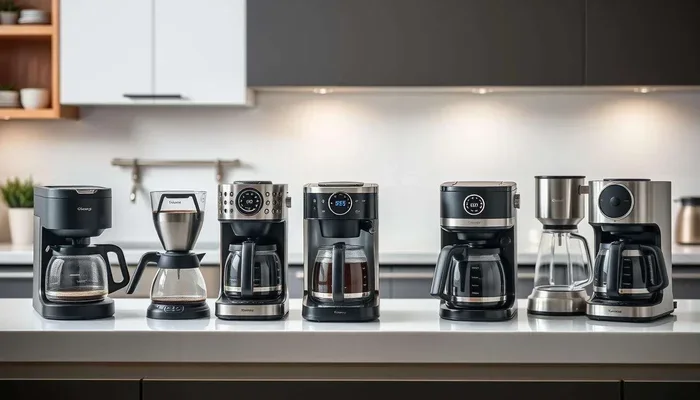
A Continental coffee maker is a type of drip coffee machine designed for home and office use. It works by heating water and dripping it through coffee grounds into a glass or thermal coffee carafe. This simple process produces a clean, full-flavored cup of coffee.
The Continental coffee maker has been a popular choice for decades. It is known for its durability and ease of use. Unlike some modern machines with complex buttons, the Continental model keeps things straightforward. You fill the water, add your grounds, and press a button.
These machines come in different sizes. You can find small ones for a single cup or larger models that brew enough for a whole family. The basic design has not changed much over the years, and that is a good thing. Simple machines tend to last longer and are easier to fix.
If you have ever wondered how to make coffee with a drip machine, a Continental model is one of the easiest to master. It is perfect for beginners and experienced coffee lovers alike. Proper coffee maker maintenance starts with understanding how the machine works.
Key Parts of a Continental Coffee Maker
Before you start brewing, it helps to know the main coffee maker parts. Each part plays an important role in making your coffee taste great. Proper coffee maker troubleshooting also becomes easier when you know what each piece does. Here is a breakdown of the key components.
Water Reservoir
The water reservoir is where you pour the water before brewing. It is usually located at the back or side of the machine. The size of the reservoir determines how many cups you can brew at once. Most Continental models have a clear tank so you can easily see the water level.
Always use cold, fresh water. Hot water from the tap may contain impurities that affect the taste of your coffee. Fill the reservoir to the line that matches the number of cups you want to brew. Proper coffee maker instructions always start with clean water.
Filter Basket
The filter basket holds the coffee grounds during brewing. It sits just above the coffee carafe. You can use paper filters or reusable mesh filters with most Continental models.
Paper filters are great because they catch fine grounds and oils. This gives you a cleaner cup of coffee. Reusable filters are more eco-friendly and save money over time. Choose the one that fits your style and needs. A good coffee filter is essential for the best flavor.
Coffee Carafe
The coffee carafe collects the brewed coffee. Most Continental machines come with a glass pot, but some models have a thermal carafe. A thermal carafe keeps coffee hot longer without using a heat plate.
Always handle the carafe with care. Glass pots can break if dropped. Thermal carafes are more durable and keep your brewing coffee at the right temperature for hours. This is one of the most important coffee maker parts for enjoying your cup.
Control Panel
The control panel is where you turn the machine on and off. Most Continental models have a simple on/off switch or button. Some higher-end versions include a timer function that lets you set the machine to brew ahead of time.
Setting the clock on your machine is important if it has a timer. You can learn more about setting clocks on kitchen appliances by checking out how to set clock on Krups toaster oven for general appliance timing tips.
Step-by-Step Guide to Using Your Continental Coffee Maker
Now that you know the parts, let us walk through the actual brewing process. Follow these steps each morning for a perfect cup of brewing coffee. The process is simple and takes only a few minutes once you get used to it.
Step 1: Prepare the Machine
Start by making sure your machine is clean and ready to go. Remove any old coffee grounds from the filter basket. Empty and rinse the coffee carafe. If the machine has been sitting unused for a while, run a cycle with just water to flush out any dust or residue.
Place the machine on a flat, stable surface near an outlet. Make sure the carafe is sitting properly on the warming plate before you start. This is an easy step that many people skip, but it matters for safe and even brewing.
Step 2: Add Water
Open the lid and pour cold, filtered water into the reservoir. Use the markings on the side to measure the right amount. A good rule of thumb is two tablespoons of coffee grounds per six ounces of water.
Do not overfill the reservoir. Water can overflow during brewing and make a mess. Always stay below the maximum fill line. Think of it like measuring a toaster oven for the right fit — getting the measurements right from the start saves you trouble later.
Step 3: Add Coffee Grounds
Place a filter in the basket if you are using paper filters. Then add your measured coffee grounds. Level the grounds with your finger for an even extraction.
The type of grind matters a lot here. A medium grind works best for drip coffee makers. Too fine and the coffee will be bitter. Too coarse and it will taste weak and watery.
If you buy pre-ground coffee, store it in an airtight container. Fresh grounds give you the best flavor every time. This is one of the most important coffee brewing tips you will ever follow.
Step 4: Start Brewing
Put the lid on the reservoir and place the carafe on the warming plate. Press the brew button or switch. The machine will heat the water and drip it through the grounds and into the carafe.
Brewing time varies by model. Most Continental machines take about five to ten minutes to complete a full cycle. Do not rush the process. Let the machine do its work for the best results.
Once brewing is complete, the machine may beep or the light will turn off. Your coffee is ready to serve. If you need to reset the machine at any point, a simple coffee maker reset is usually just unplugging it for a few minutes.
Step 5: Serve and Enjoy
Pour your coffee into a mug and enjoy it while it is hot. If you are not drinking it right away, the thermal carafe will keep it warm for hours.
Add milk, cream, sugar, or flavorings to taste. Some people love their coffee black and simple. Others prefer it loaded with extras. There is no wrong way to enjoy a fresh cup.
Remember to turn off the machine after you are done. This saves energy and keeps your kitchen safe. A quick coffee maker reset or power-off after each use also helps extend the life of the machine.
Brewing Tips for the Perfect Cup
Using your Continental coffee maker correctly is one thing. Getting the best flavor out of it is another. Here are some coffee brewing tips that will take your morning cup to the next level. These small changes make a big difference in taste.
Choose the Right Grind Size
The grind size of your coffee grounds has a huge impact on flavor. For a Continental drip machine, a medium grind is ideal. It allows water to flow through at the right speed and extract the full flavor from the beans.
If you grind your own beans, adjust the grinder to a medium setting. Think of the texture like sea salt. It is not too fine and not too coarse. This balance gives you a smooth, well-rounded cup. The right grind is the secret to great coffee brewing.
Get the Water-to-Coffee Ratio Right
The ratio of water to coffee is one of the most important factors in brewing. A standard ratio is one to two tablespoons of grounds for every six ounces of water.
You can adjust this to your taste. Like strong coffee? Add more grounds. Prefer a lighter brew? Use less. Experiment until you find your perfect ratio. Once you do, stick with it for consistent results every morning. This simple coffee maker instruction changes everything.
Use Clean, Filtered Water
Water makes up over 98 percent of your coffee. If your water tastes bad, your coffee will too. Always use clean, filtered water for the best flavor.
Avoid distilled water, as it can taste flat. Spring water or filtered tap water works great. The minerals in these waters help bring out the full flavor of your coffee grounds. Good water is the foundation of any great coffee maker experience.
Preheat the Carafe
One simple trick that many people miss is preheating the carafe. Before you start brewing, rinse the carafe with hot water. This keeps the first few cups of coffee from cooling down too fast.
It is a small step that makes a big difference. Your coffee will stay hotter longer, and the first sip will taste just as good as the last. This is one of the best coffee brewing tips for home brewers.
Do Not Leave Coffee on the Warming Plate Too Long
If your machine has a warming plate, do not leave coffee on it for more than 20 to 30 minutes. The heat can make the coffee taste burnt and bitter.
If you need to keep coffee warm for longer, pour it into a thermal carafe or insulated mug. This preserves the flavor and keeps things tasting fresh. Treating your coffee pot right means better taste in every cup.
Cleaning and Maintenance
Taking care of your Continental coffee maker is essential for great-tasting coffee and a long machine life. Regular coffee maker cleaning prevents buildup and keeps everything running smoothly. A clean machine brews better coffee.
Daily Cleaning Routine
After each use, throw away the used coffee grounds and filter. Rinse the filter basket with warm water. Wipe down the outside of the machine with a damp cloth.
Wash the coffee carafe with warm soapy water. If you use a thermal carafe, skip the soap and just rinse with warm water to preserve the insulation.
Make it a habit to clean your machine every day. It only takes a few minutes and keeps your coffee tasting fresh. Daily coffee maker maintenance is the easiest way to avoid bigger problems later.
How to Descale Your Machine
Mineral deposits from water can build up inside your machine over time. This is called scaling, and it can slow down brewing and affect the taste of your coffee.
Descale your Continental machine every one to two months. You can use a commercial descaling solution or a simple mixture of white vinegar and water. Fill the reservoir with equal parts vinegar and water, then run a full brew cycle without coffee grounds.
After the vinegar cycle, run two to three cycles with plain water to rinse out any remaining taste. Your machine will be clean and ready to brew great coffee. Keeping up with descaling is one of the most important parts of coffee maker maintenance.
For other kitchen appliance cleaning advice, you can also refer to how to clean oven with dishwasher tablet without scrubbing for non-abrasive cleaning methods that work on many surfaces.
Deep Cleaning Tips
Once a month, give your machine a deeper clean. Remove the filter basket and wash it thoroughly. Check the water reservoir for any buildup or stains.
If your machine has a removable drip tray, take it off and wash it separately. This area can collect old coffee spills and dust over time. A clean drip tray prevents odors and keeps your machine fresh.
Wipe down the warming plate carefully. Coffee residue can burn onto it and become hard to remove. A damp cloth with a little baking soda works well for this. Deep cleaning once a month keeps your coffee machine running like new.
Troubleshooting Common Issues
Even with good care, your Continental coffee maker may have occasional problems. Most issues are easy to fix at home with a little patience. Here are the most common problems and how to solve them.
Machine Won’t Turn On
If your machine does not turn on, check the power cord first. Make sure it is plugged in firmly. Test the outlet by plugging in another device to see if it works.
If the outlet is fine, check the power switch or button. Some models have a safety feature that requires the carafe to be seated properly before the machine will start. Remove and reseat the carafe, then try again.
If none of these steps work, the machine may need a reset. Unplug it for five minutes, then plug it back in and try again. A simple coffee maker reset solves most power-related issues.
Coffee Tastes Bitter or Weak
Bitter coffee usually means the grind is too fine or you are using too many grounds. Try using a coarser grind or reducing the amount of coffee by a little bit.
Weak coffee often means the grind is too coarse or you are not using enough grounds. Adjust the ratio and try again. Fresh grounds also make a big difference. Old or stale coffee will not taste as good.
Water temperature matters too. If the machine is not heating the water properly, the coffee may come out weak or under-extracted. This could be a sign that it is time to descale or that a part needs replacing. Good coffee maker troubleshooting starts with checking your grind and water.
Leaking Water
Water leaking from the machine can be caused by a few things. Check if the carafe is seated correctly on the warming plate. Sometimes a slight misalignment causes water to overflow.
Look at the reservoir lid. Make sure it is closed tightly. A loose lid can let water splash out during brewing.
If the leak continues, check the filter basket. A cracked basket or a poorly fitting filter can cause water to bypass the grounds and leak out. Replace any damaged parts as needed. Most coffee maker parts are inexpensive and easy to replace.
Slow Brewing
If your machine is taking longer than usual to brew, mineral buildup is likely the cause. Run a descaling cycle with vinegar and water to clear out the deposits.
Also check the filter basket. If it is clogged with old grounds or coffee oils, clean it thoroughly. A clogged basket slows down the water flow and extends brew time. Regular coffee maker cleaning prevents this problem from happening in the first place.
Conclusion
Using a Continental coffee maker is simple once you know the basics. From understanding the parts to following the right brewing steps, you can make great coffee every single morning. The key is to use fresh grounds, clean water, and the proper ratio.
Regular cleaning and maintenance will keep your machine running smoothly for years. Descale it often, rinse the carafe after each use, and never let old grounds sit in the basket. These habits protect your investment and your morning ritual.
If you run into issues, most problems have easy fixes. Check the power supply, adjust your grind size, and descale when needed. A little care goes a long way with any coffee maker.
Now that you know how to use Continental coffee maker properly, it is time to put these tips into practice. Make yourself a fresh cup, sit back, and enjoy the perfect start to your day. Great coffee is just a few simple steps away.
Frequently Asked Questions
What type of coffee works best in a Continental coffee maker?
A medium grind works best for drip coffee makers like the Continental model. You can use pre-ground coffee or grind fresh beans for the freshest flavor. Always store your coffee grounds in an airtight container to keep them fresh longer.
How often should I clean my Continental coffee maker?
You should do a quick rinse and wipe-down after every use. Deep cleaning and descaling should happen once a month. Regular coffee maker cleaning prevents mineral buildup and keeps your coffee tasting great.
Why does my Continental coffee maker leak water?
Leaking is often caused by a misaligned carafe, a loose reservoir lid, or a cracked filter basket. Check each of these areas first. Most coffee maker parts are inexpensive and easy to replace if needed.
Can I use ground coffee in a Continental coffee maker?
Yes, ground coffee is exactly what a Continental drip machine is designed for. Just make sure the grind size is medium for the best results. Avoid using instant coffee or very fine espresso grounds in a drip machine.
How long does a Continental coffee maker take to brew?
Most Continental models take about five to ten minutes to complete a full brewing cycle. The exact time depends on the model and the amount of coffee you are brewing. Do not rush the process, as proper brewing time ensures the best flavor.
What is the ideal water temperature for brewing coffee?
The ideal water temperature is between 195 and 205 degrees Fahrenheit. Most Continental machines heat water to this range automatically. If your coffee tastes off, it may be a sign that the machine needs descaling or a reset.