Can You Put Kabobs In The Oven And Get Great Results
Yes, you can absolutely put kabobs in the oven and get fantastic results. Oven-baked kabobs are a simple, hands-off way to cook juicy meat, flavorful veggies, and tasty combinations indoors. This guide covers everything from prep and marinating to oven temperature and timing so you can make great kabobs without a grill.
So, can you put kabobs in the oven? The short answer is a big yes. Oven kabobs are one of the easiest and most reliable ways to cook skewered food indoors. Whether you love chicken kabobs, beef kabobs, or veggie kabobs, your oven can deliver amazing results.
Many people think kabobs are only for the grill. But oven-baked kabobs offer a lot of advantages. They are easy to control, they cook evenly, and you do not have to worry about flare-ups or weather. If you have been missing out on oven kabobs, this guide will change your mind.
In this article, we will walk you through everything you need to know. You will learn how to prep kabobs for the oven, what temperatures to use, and how to get that perfect char and flavor. By the end, you will feel confident making kabobs in the oven any night of the week.
Can you put kabobs in the oven and get restaurant-quality results? Absolutely. Let us dive in and show you how.
Key Takeaways
- Oven kabobs are easy and convenient: You get grilled-style flavor without needing an outdoor grill or special equipment.
- Temperature and timing matter a lot: Most oven kabobs cook best at 400°F to 425°F for 12 to 25 minutes depending on the protein.
- Skewer choice affects cooking: Metal skewers conduct heat better, while soaked wooden skewers prevent burning.
- Marinating adds big flavor: Even a quick 30-minute marinade transforms simple kabob ingredients into something special.
- You can cook almost anything: Chicken, beef, shrimp, veggies, and even fruit all work great as oven kabobs.
- Avoid common mistakes: Overcrowding the pan, skipping the soak, and using wrong temperatures are the top errors to watch for.
📑 Table of Contents
Why Cooking Kabobs in the Oven Works So Well
The Science Behind Oven Kabobs
When you cook kabobs in the oven, the heat surrounds the food on all sides. This is very different from a grill, where heat comes mostly from below. The oven’s consistent, enclosed heat helps cook kabobs evenly. Every piece of chicken or vegetable gets the same attention.
Ovens also offer a special feature called the broiler. The broiler puts out intense top-down heat. This can mimic the charring effect you get from a grill. When you combine a hot oven with the broiler at the end, you get beautiful grill marks and a slightly caramelized exterior.
The dry heat in an oven also helps moisture escape in a controlled way. This creates a nice sear on the outside while keeping the inside juicy. It is the same principle that makes oven-baked kabobs so satisfying.
Benefits of Oven-Baked Kabobs
There are many reasons to cook kabobs in the oven instead of outside. Here are the biggest advantages:
- No weather dependence: Rain, snow, or extreme heat does not stop you from making kabobs.
- Even cooking: Ovens distribute heat consistently, so nothing burns on one side.
- Easy cleanup: A sheet pan with foil makes cleanup a breeze compared to grill grates.
- Better for beginners: Ovens are easier to control than open flames.
- Year-round cooking: You can enjoy kabobs in winter, summer, fall, or spring.
- Less smoke: Indoor oven cooking produces far less smoke than a grill.
If you have been looking for a simple way to make oven kabobs at home, these benefits alone are reason enough to try it. The process is straightforward and forgiving.
How to Prepare Kabobs for the Oven
Choosing the Right Skewers
The skewer you choose matters more than most people think. There are two main types: wooden skewers and metal skewers. Each has its own strengths for oven cooking.
Wooden skewers are cheap and disposable. They work well for oven kabobs, but you must soak them in water for at least 30 minutes before use. Soaking prevents them from burning in the hot oven. If you skip this step, your wooden skewers could catch fire or turn black before your food is done.
Metal skewers are the better choice for oven kabobs. They conduct heat directly to the food, which helps create a nicer sear. Metal skewers are also reusable, easy to clean, and do not need soaking. Look for flat or twisted metal skewers because they grip food better than round ones.
Quick Tip: If you use wooden skewers, push them through the food at a slight angle. This creates a larger surface area touching the skewer and helps the food stay secure during cooking.
Marinating Your Kabobs
Marinating is one of the most important steps when making kabobs in the oven. A good marinade adds flavor, tenderizes the meat, and helps prevent drying out. Since oven cooking uses dry heat, the marinade acts as a protective layer.
You do not need to marinate for hours. Even a 30-minute soak makes a big difference. Here are some simple marinade ideas:
- Mediterranean style: Olive oil, lemon juice, garlic, oregano, and salt.
- Asian inspired: Soy sauce, sesame oil, ginger, honey, and a splash of rice vinegar.
- Smoky and bold: Smoked paprika, cumin, chili powder, olive oil, and lime juice.
- Simple and classic: Olive oil, garlic, salt, pepper, and fresh herbs.
For best results, place your cut ingredients in a zip-lock bag, add the marinade, and squeeze out the air. Let them sit in the fridge for at least 30 minutes or up to overnight. The longer the marination, the deeper the flavor.
Best Kabob Recipes for the Oven
Chicken Kabobs
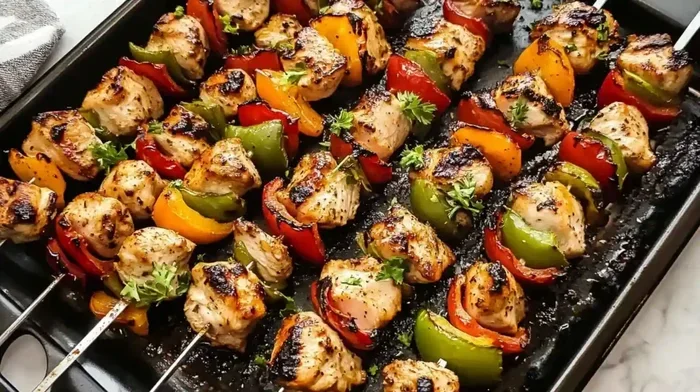
Chicken is the most popular protein for oven kabobs. It cooks quickly and absorbs marinades beautifully. To make great chicken kabobs in the oven, cut boneless chicken thighs or breasts into 1.5-inch cubes. Thread them onto skewers with bell peppers, onions, and cherry tomatoes.
Preheat your oven to 425°F. Place the skewers on a lined sheet pan and bake for 12 to 15 minutes. Flip halfway through. The chicken is done when it reaches an internal temperature of 165°F. The veggies should be slightly charred and tender.
One of the best things about chicken kabobs in the oven is that you can batch-cook them. Make a double or triple batch and store them in the fridge for quick meals throughout the week.
Beef and Veggie Kabobs
Beef kabobs are hearty and satisfying. Use sirloin, tenderloin, or flank steak cut into 1.5-inch pieces. Beef pairs wonderfully with onions, zucchini, mushrooms, and red peppers.
For beef oven kabobs, preheat to 400°F. Cook for 14 to 18 minutes, turning once. The USDA recommends beef reach 145°F for medium-rare and 160°F for medium. Let the kabobs rest for 5 minutes before serving to keep the juices inside.
Quick Tip: Add your veggies in the last 8 minutes of cooking. This prevents them from turning mushy while the beef finishes cooking.
Shrimp Kabobs
Shrimp kabobs cook fast and taste incredible in the oven. Use large shrimp peeled and deveined. Thread them onto skewers with lemon slices and fresh herbs.
Cook shrimp oven kabobs at 400°F for just 8 to 10 minutes. Shrimp are done when they turn pink and opaque. Overcooking is the biggest risk, so watch them closely. The oven gives you more control than a hot grill, which makes shrimp a great choice for beginners.
Veggie-Only Kabobs
Not all kabobs need meat. Veggie kabobs are delicious on their own and make a great side dish. Cut zucchini, bell peppers, mushrooms, red onions, and cherry tomatoes into large, even pieces. Thread them onto skewers and brush with olive oil and seasoning.
Veggie kabobs do best at 425°F for 10 to 15 minutes. The high heat caramelizes the natural sugars in the vegetables, bringing out their sweetness. Add a sprinkle of salt and fresh herbs right after cooking for the best flavor.
Oven Temperature and Timing Guide
Getting the temperature right is the key to perfect kabobs in the oven. Too low and the food steams instead of roasting. Too high and the outside burns before the inside cooks through. Here is a simple guide to help you nail it every time.
Temperature Chart for Oven Kabobs
Different proteins and ingredients need different temperatures. Use this chart as your go-to reference when making kabobs in the oven:
- Chicken kabobs: 425°F for 12 to 15 minutes
- Beef kabobs: 400°F for 14 to 18 minutes
- Shrimp kabobs: 400°F for 8 to 10 minutes
- Pork kabobs: 400°F for 15 to 20 minutes
- Veggie kabobs: 425°F for 10 to 15 minutes
- Mixed meat and veggie kabobs: 400°F for 15 to 20 minutes
Always preheat your oven before placing the kabobs inside. A hot oven from the start ensures even cooking and better browning. If you are using a convection setting, reduce the temperature by 25°F for best results.
How to Know When Kabobs Are Done
Timing can vary based on the size of your pieces and your specific oven. Here are the best ways to check if your kabobs are ready:
- Use a meat thermometer: This is the most reliable method. Chicken needs 165°F, beef 145°F for medium-rare, and pork 145°F.
- Check the color: Chicken should be white throughout. Beef should have a slight pink center for medium-rare or be gray-brown for well-done.
- Test the veggies: They should be tender but still have a slight bite. If they fall apart, they have been cooking too long.
- Look for char marks: Light browning and slight charring on the edges is a great sign.
If you are unsure, pull the kabobs off a bit early. The carryover heat will continue cooking them as they rest on the pan.
Quick Tips and Common Mistakes
Quick Tips for Perfect Oven Kabobs
Here are some expert-tested tips that will take your oven kabobs from good to great:
- Cut ingredients to the same size: This ensures everything cooks at the same rate. Uneven pieces lead to some burnt and some raw.
- Leave small gaps between pieces: Air needs to circulate around the food. Crowding the skewer traps steam and prevents browning.
- Use a sheet pan lined with foil: This makes cleanup effortless and prevents sticking.
- Brush with extra marinade while cooking: Basting the kabobs halfway through adds moisture and flavor.
- Let kabobs rest after cooking: A 5-minute rest allows juices to redistribute, making every bite juicier.
- Use the broiler for the last 2 minutes: This adds a nice char and crispy edges without overcooking the inside.
Common Mistakes to Avoid
Even experienced cooks make mistakes with oven kabobs. Here are the most common ones and how to avoid them:
- Skipping the wooden skewer soak: Dry wooden skewers will burn in the oven. Always soak them for at least 30 minutes.
- Using too much marinade: Excess marinade on the pan can cause smoking and flare-ups. Pat the food dry before placing it on the skewer.
- Not preheating the oven: Putting kabobs in a cold oven leads to uneven cooking and longer bake times.
- Overcrowding the pan: Give each skewer space. Overlapping causes uneven heat exposure and soggy spots.
- Opening the oven too often: Every time you open the door, heat escapes. This extends cooking time and prevents proper browning.
- Ignoring food safety temperatures: Undercooked meat is a health risk. Always use a meat thermometer to confirm doneness.
Expert Insights on Oven Kabob Cooking
Professional chefs often recommend oven kabobs for their consistency and ease. Chef Michael Chiarello once said that oven-baked skewers give home cooks more control than any other method. The oven’s steady heat removes the guesswork that comes with outdoor grilling.
When you cook kabobs in the oven, you can focus on the flavors. There is no need to constantly watch for flare-ups or adjust the coals. You can set a timer, prep your sides, and let the oven do the work. This makes oven kabobs ideal for busy weeknights when you want a homemade meal without the fuss.
Another expert insight is to build flavor layers. Start with a good marinade, add a glaze during cooking, and finish with fresh herbs and a squeeze of citrus. This three-step approach creates depth of flavor that is hard to achieve with just one seasoning.
Food scientists also point out that the Maillard reaction, which creates the savory, browned flavors on cooked food, works best in dry, high-heat environments. Your oven provides exactly this. This is why oven kabobs often develop a more even crust than grilled ones.
The bottom line is that oven kabobs are not a compromise. They are a legitimate cooking method that produces excellent results. Once you master the basics, you can experiment with flavors, proteins, and vegetables to create your own signature kabob recipes.
Can You Put Kabobs In The Oven and Make Them Taste Like Grilled?
This is a question many people ask. The honest answer is that oven kabobs taste different from grilled kabobs, but they can be just as delicious in their own way. The oven provides even, gentle heat that brings out the natural flavors of the ingredients. Grilling adds a smoky char that the oven cannot fully replicate.
However, there are tricks to bridge the gap. Using a broiler for the last few minutes adds a smoky, charred flavor. Adding a touch of smoked paprika to your marinade creates that grilled essence. A light spray of liquid smoke can also help, though it is not necessary.
Many people actually prefer oven kabobs because the flavors are cleaner and more pronounced. Without the smoke and char competing, you taste each ingredient more clearly. This makes oven kabobs a great choice for showcasing fresh, high-quality ingredients.
So when you ask yourself can you put kabobs in the oven and expect great taste, the answer is yes. You may need to adjust your expectations slightly, but the results are still outstanding. With the right marinade, temperature, and timing, your oven kabobs will be a hit with the whole family.
Conclusion
Can you put kabobs in the oven and get great results? The answer is a resounding yes. Oven kabobs are easy, reliable, and delicious. They offer a convenient way to enjoy skewered food any time of year without needing a grill or outdoor space.
We covered the key steps in this guide. You learned how to choose the right skewers, prepare flavorful marinades, and cook different proteins at the correct temperatures. You also discovered common mistakes to avoid and expert tips to elevate your kabob game.
The beauty of oven-baked kabobs lies in their simplicity. With just a few ingredients, a sheet pan, and your oven, you can create restaurant-quality meals at home. Whether you are cooking for one or feeding a crowd, kabobs in the oven deliver every time.
Now it is your turn. Gather your favorite ingredients, fire up the oven, and start making kabobs today. Once you try oven kabobs, you may never go back to the grill. The ease, consistency, and flavor are hard to beat. Happy cooking!
Frequently Asked Questions
Can you put kabobs in the oven on a regular baking sheet?
Yes, you can absolutely use a regular baking sheet for oven kabobs. For best results, line the sheet with aluminum foil or parchment paper. This prevents sticking and makes cleanup much easier. You can also place a wire rack on the sheet pan for even better air circulation around the kabobs.
How long do you cook kabobs in the oven at 400 degrees?
At 400°F, most kabobs take between 12 and 20 minutes to cook. Chicken kabobs need about 12 to 15 minutes, beef kabobs take 14 to 18 minutes, and shrimp kabobs cook in just 8 to 10 minutes. Always flip the kabobs halfway through and use a meat thermometer to check for doneness.
Do you need to soak wooden skewers before putting kabobs in the oven?
Yes, you should always soak wooden skewers in water for at least 30 minutes before oven use. Soaking prevents the skewers from burning or catching fire in the hot oven. If you forget to soak them, use metal skewers instead. Metal skewers are reusable, conduct heat better, and do not require any soaking.
Can you put veggie kabobs in the oven with meat kabobs?
Yes, you can cook veggie and meat kabobs together in the oven. However, keep in mind that vegetables cook faster than most meats. To avoid overcooked veggies, add the vegetables to the skewers in the last 8 to 10 minutes of cooking. Alternatively, cook them on separate skewers so you can pull each one out at the perfect time.
What is the best way to prevent kabobs from drying out in the oven?
The best way to prevent drying out is to marinate your ingredients well and not overcook them. A good marinade adds moisture and flavor during cooking. Also, avoid cutting your meat and vegetables too small, as smaller pieces dry out faster. Brushing the kabobs with extra marinade or olive oil halfway through cooking helps keep them juicy. Finally, let the kabobs rest for 5 minutes after removing them from the oven.
Can you use frozen meat for kabobs in the oven?
It is best to thaw your meat before making kabobs for the oven. Frozen meat cooks unevenly and may not absorb the marinade properly. Thaw it in the refrigerator overnight for the safest and best results. If you must cook from frozen, increase the cooking time by about 5 to 7 minutes and check the internal temperature carefully to ensure food safety.