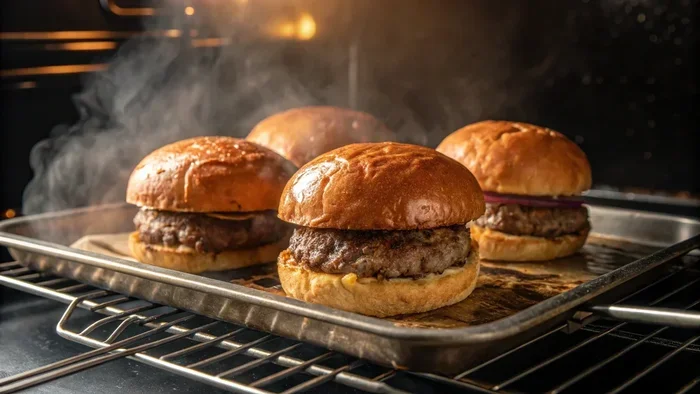
How To Cook Burger Patties In The Oven Like A Chef
How To Cook Burger Patties In The Oven is one of the simplest and most reliable ways to get perfectly cooked burgers at home. This guide walks you through every step, from shaping your patties to pulling them off the heat at just the right moment. You will learn the best oven temperature, timing, seasoning tricks, and common mistakes to avoid. By the end, you will feel confident baking juicy burger patties in your oven like a seasoned chef.
How To Cook Burger Patties In The Oven is a skill that every home cook should master. Whether you are feeding a crowd or just making dinner for your family, baking burgers in the oven is one of the easiest and most consistent methods available. Unlike grilling, which depends on weather and flare-ups, oven cooking gives you full control over temperature and timing. In this guide, we will walk you through every step of the process, from choosing the right beef to pulling perfectly juicy patties off the baking sheet. You will also learn pro tips that restaurant chefs use to make their burgers stand out. By the time you finish reading, you will have everything you need to bake amazing burger patties in your own kitchen.
Many people think that great burgers can only come from a grill. But the truth is, how to cook burger patties in the oven can produce equally delicious results. The oven provides even heat circulation that cooks patties uniformly from edge to center. This means no more burnt outsides with cold centers. Whether you prefer medium-rare or well-done, the oven lets you dial in exactly the doneness you want. Plus, cleanup is a breeze compared to dealing with a greasy grill. So let us dive into everything you need to know about baking burger patties in the oven like a pro.
Key Takeaways
- Oven-Baked Burgers Are Easy: Cooking burger patties in the oven requires minimal effort and hands-off time.
- Temperature Matters: Baking at 400°F gives the best balance of crust and juiciness for most patties.
- Season Simply But Well: Salt, pepper, garlic powder, and onion powder create a flavorful crust on oven burgers.
- Avoid Pressing the Patty: Pressing burgers while cooking squeezes out juices and dries them out.
- Use a Meat Thermometer: Internal temperature is the most reliable way to check doneness for oven-cooked burgers.
- Rest Your Burgers: Letting patties rest for 3-5 minutes after baking keeps them juicy and flavorful.
- Thin Patties Cook Faster: Aim for ¾ inch thickness for even cooking and a great sear in the oven.
📑 Table of Contents
- Why Cooking Burger Patties In The Oven Is A Great Choice
- How To Prepare Burger Patties For The Oven
- The Best Oven Temperature And Time For Burger Patties
- Step-By-Step Guide To Baking Burger Patties
- Pro Tips For Juicy Oven-Baked Burgers
- Common Mistakes To Avoid When Cooking Burgers In The Oven
- Serving And Topping Your Perfect Oven Burger
Why Cooking Burger Patties In The Oven Is A Great Choice
There are many ways to cook a burger patty, but the oven has some real advantages. First, it is incredibly convenient. You can bake multiple patties at once on a single sheet pan. This makes it perfect for meal prep or feeding a large group. Second, oven cooking is very consistent. Once you set the temperature, the heat does the work for you. You do not need to flip or monitor each patty constantly.
Another big benefit is that oven-cooked burgers are easier to manage for beginners. There is no risk of flare-ups or uneven heat from hot spots on a grill. The enclosed oven environment keeps everything steady. You also get a nice browned crust on your patties without adding extra fat or oil. The dry heat of the oven helps render the fat from the beef naturally, giving you a flavorful result with less mess.
For those who are health-conscious, baking is a cleaner cooking method. It does not require extra oils or butter. The fat drips away from the patties as they cook, which can make your burgers slightly leaner than pan-fried versions. This is a great option for anyone looking to enjoy a delicious burger without the extra grease.
How To Prepare Burger Patties For The Oven
Preparation is the most important part of how to cook burger patties in the oven successfully. Taking the time to prep your patties properly will make a huge difference in the final result. A little effort here saves you from dry, bland burgers later.
Choosing The Right Ground Beef
The foundation of any great burger is the meat. For the best oven-baked burger experience, choose ground beef with a fat content of 80/20. This means 80% lean meat and 20% fat. The fat is what makes your burger juicy and flavorful. Lean beef like 90/10 or 95/5 can work, but the patties may dry out faster in the oven because there is less fat to keep them moist.
You can also use ground chuck, which is a popular choice for homemade burger patties. Ground chuck typically has a good balance of meat and fat. Some people like to mix in a small amount of ground pork for extra moisture and flavor. Whatever you choose, make sure the meat is cold before you start shaping. Cold meat holds together better and creates a better texture after baking.
Seasoning Your Patties
Seasoning is where you can really make your burger patty recipe your own. The classic approach is simple and effective. Start with coarse salt and freshly cracked black pepper on both sides of each patty. Then add garlic powder and a pinch of onion powder for depth of flavor.
Here is a simple seasoning blend that works beautifully for oven burgers:
- 1 teaspoon kosher salt per pound of beef
- ½ teaspoon black pepper
- ½ teaspoon garlic powder
- ¼ teaspoon onion powder
- A dash of smoked paprika for a subtle smoky flavor
You can also add a tiny bit of Worcestershire sauce to the meat mixture for extra umami. Some cooks like to include a small diced onion or a splash of soy sauce. Keep it simple though. The beef should be the star of the show. Over-seasoning can mask the natural flavor of the meat.
Shaping The Perfect Patty
How you shape your patties matters more than most people realize. Start by dividing your ground beef into equal portions. For a standard burger, aim for about 6 ounces of meat per patty. This gives you a juicy burger without being too thick or too thin.
Gently form each portion into a ball, then press it flat into a disc shape. The key is to keep the patty about ¾ inch thick. Do not overwork the meat. Handling it too much makes the patty dense and tough. Also, use your thumb to press a small dimple in the center of each patty. This little trick prevents the burger from puffing up in the middle as it cooks, keeping it flat and even.
Make sure the edges of the patty are smooth and sealed. Cracks on the edges can cause the burger to dry out during baking. If you are making a burger patty for the oven, you can also create a slight depression on the top surface. This helps the patty cook evenly and gives you a nice flat surface for your toppings.
The Best Oven Temperature And Time For Burger Patties
Getting the temperature and timing right is the heart of how to cook burger patties in the oven. Too high and the outside burns before the inside is cooked. Too low and the patty dries out before it gets a good crust. The sweet spot for most oven burgers is 400°F.
Temperature Guide For Different Doneness
The internal temperature of your burger determines how done it is. Here is a quick reference guide for checking your patties with a meat thermometer:
- Medium-Rare: 130-135°F internal temperature
- Medium: 140-145°F internal temperature
- Medium-Well: 150-155°F internal temperature
- Well-Done: 160°F and above internal temperature
The USDA recommends cooking ground beef to an internal temperature of 160°F for safety. This is the well-done range. However, many chefs prefer their burgers at medium or medium-rare for the best flavor and juiciness. If you choose to eat your burgers at a lower temperature, make sure you are using fresh, high-quality ground beef from a trusted source.
Timing Your Burgers Perfectly
At 400°F, a standard ¾-inch thick patty usually takes about 15 to 20 minutes to bake. Thicker patties may need an extra 5 minutes. Thinner patties can be done in 10 to 12 minutes. The best way to know for sure is to use a meat thermometer. Do not rely on timing alone, because oven temperatures can vary.
Here are some general guidelines based on patty thickness:
- ½-inch thick patties: 10-12 minutes at 400°F
- ¾-inch thick patties: 15-18 minutes at 400°F
- 1-inch thick patties: 20-25 minutes at 400°F
Remember that the patties will continue to cook a few degrees after you pull them from the oven. This is called carryover cooking. Factor this into your timing so you do not overcook your burgers.
Step-By-Step Guide To Baking Burger Patties
Now that you know the basics, here is a simple step-by-step process for baking burger patties in the oven. Follow these steps and you will get great results every time.
- Preheat your oven to 400°F. Let the oven fully heat up before you put the patties in. This ensures even cooking from the start.
- Prepare your baking sheet. Line a large baking sheet with parchment paper or aluminum foil for easy cleanup. Place a wire rack on top if you have one. The rack allows air to circulate around the patties, which helps them cook more evenly.
- Season your patties. Generously season both sides with salt, pepper, and any other spices you like. Press the seasoning into the surface so it sticks.
- Place patties on the baking sheet. Leave space between each patty so hot air can flow around them. Do not crowd the pan.
- Bake for 15-18 minutes. For a ¾-inch patty at 400°F, 15 minutes gives a medium-rare result and 18 minutes gives medium. Adjust based on your preference.
- Check the internal temperature. Insert a meat thermometer into the side of the thickest part of the patty. Compare it to the doneness guide above.
- Add cheese if desired. If you want cheese on your burgers, add slices during the last 2 minutes of baking. Cover the pan with foil to help the cheese melt evenly.
- Rest the patties for 3-5 minutes. Transfer the burgers to a plate and let them rest before serving. This allows the juices to redistribute throughout the meat.
Following these steps consistently will give you juicy oven burgers that taste like they came from a high-end restaurant. The process is simple but the results are impressive.
Pro Tips For Juicy Oven-Baked Burgers
Once you have the basics down, these pro tips will take your oven burgers to the next level. These are the same techniques that chefs use in professional kitchens.
Use a wire rack instead of placing patties directly on the pan. A wire rack lifts the burger above the baking sheet, allowing fat to drip away and hot air to circulate all around the patty. This creates a more even crust and prevents the bottom from getting soggy.
Do not press down on the patties while cooking. It is tempting to use a spatula to flatten the burger, but this squeezes out the juices and dries the meat out. Let the patty cook undisturbed and it will stay juicy and tender.
Add a small cube of butter on top of each patty. This is a restaurant trick that adds incredible richness and moisture. Place a small cube of butter on top of the patty during the last few minutes of baking. The butter melts into the meat and creates a luscious, juicy burger.
Let the meat come to room temperature before baking. Cold patties straight from the fridge take longer to cook through, which can result in uneven doneness. Take your patties out 15-20 minutes before baking. This small step makes a big difference in how evenly the burger cooks.
Experiment with different seasoning blends. Once you master the basics, try adding cumin, chili powder, or a touch of brown sugar to your seasoning mix. Each addition creates a unique flavor profile that makes your homemade burger patties special.
Common Mistakes To Avoid When Cooking Burgers In The Oven
Even with the best recipe, mistakes can happen. Here are the most common errors people make when cooking hamburger patties in the oven and how to avoid them.
Overworking the meat. When you mix and shape the patty too much, you develop the proteins in the beef. This makes the burger dense and tough instead of tender and juicy. Handle the meat as little as possible.
Making patties too thick or too thin. Patties that are too thick take too long to cook through and often have a raw center. Patties that are too thin dry out quickly. Stick to ¾ inch thickness for the best results.
Skipping the meat thermometer. Relying on time alone is not reliable. Every oven is different, and patties vary in thickness. A meat thermometer takes the guesswork out of cooking and ensures your burgers are exactly the way you like them.
Not letting burgers rest after baking. Cutting into a hot burger right away causes all the juices to run out onto the plate. Give your patties a few minutes to rest so the juices stay inside the meat where they belong.
Using lean beef without adjustments. Very lean beef can produce dry burgers in the oven. If you must use lean beef, add a small amount of water or broth to the pan to create steam that keeps the patties moist. You can also mix in a little olive oil or melted butter before baking.
Serving And Topping Your Perfect Oven Burger
The final step in how to cook burger patties in the oven is all about serving. A great bun makes a big difference. Brioche buns are soft and slightly sweet, which pairs well with the savory flavor of oven-baked burgers. Potato rolls are another great option with a sturdy texture that holds up to juicy patties.
Classic toppings never go out of style. Think lettuce, tomato, onion, pickles, and your favorite sauce. American cheese melts perfectly on oven burgers. For something more adventurous, try caramelized onions, sautéed mushrooms, avocado slices, or a fried egg on top.
Here are some serving ideas to inspire you:
- Classic Cheeseburger: American cheese, lettuce, tomato, pickles, and ketchup
- BBQ Burger: Cheddar cheese, BBQ sauce, crispy bacon, and red onion
- Mushroom Swiss: Swiss cheese, sautéed mushrooms, and garlic aioli
- Southwestern Burger: Pepper jack cheese, jalapeños, avocado, and chipotle mayo
Serve your oven burgers with a side of crispy fries, a fresh garden salad, or coleslaw. A cold drink and good company make any burger meal feel like a celebration. The beauty of oven-cooked burgers is that you can focus on the toppings and sides instead of worrying about the grill.
Cooking burger patties in the oven is one of the most reliable and delicious methods you can use at home. With the right temperature, seasoning, and timing, you can produce burgers that are juicy, flavorful, and cooked exactly to your liking. The process is simple enough for beginners but offers enough flexibility for experienced cooks to experiment and refine their technique. Remember to use a meat thermometer, let your patties rest, and do not be afraid to try new seasoning combinations. Once you master oven-baked burgers, you will never go back to overcooked, dry patties again. Start with this guide, practice a few times, and soon you will be making perfect burgers in your oven like a true chef.
Frequently Asked Questions
Can I Cook Frozen Burger Patties In The Oven?
Yes, you can cook frozen burger patties in the oven, but you will need to increase the cooking time by about 5 to 10 minutes. Preheat the oven to 400°F, place the frozen patties on a lined baking sheet, and bake for about 20 to 25 minutes. Use a meat thermometer to check that the internal temperature reaches 160°F. For the best results, it is always better to thaw your patties before baking.
What Is The Best Oven Temperature For Cooking Burgers?
The best oven temperature for cooking burger patties is 400°F. This high heat creates a nice browned crust on the outside while cooking the inside evenly. You can go as low as 375°F if you prefer a slower cook, but 400°F is the sweet spot for most homemade burger patties. Always preheat your oven before placing the patties inside.
How Long Should I Bake Burger Patties At 400 Degrees?
At 400°F, a standard ¾-inch thick burger patty takes about 15 to 18 minutes to bake. Thinner patties may be done in 10 to 12 minutes, while thicker patties can take up to 25 minutes. The exact time depends on your oven, the thickness of the patty, and how done you like your burger. Always use a meat thermometer to check for doneness.
Do I Need To Flip Burger Patties When Baking Them In The Oven?
No, you do not need to flip burger patties when baking them in the oven. The circulating hot air cooks the patty evenly on all sides without flipping. This is one of the biggest advantages of oven cooking compared to stovetop or grilling. Just place the patties on the baking sheet and let the oven do the work for you.
Can I Add Cheese To My Oven-Baked Burgers?
Absolutely! Adding cheese to oven-baked burgers is easy. Place a slice of cheese on top of each patty during the last 2 minutes of baking. Cover the baking sheet with aluminum foil for 1 to 2 minutes to help the cheese melt evenly. American cheese, cheddar, Swiss, and pepper jack all work great in the oven.
Why Are My Oven Burgers Dry And Tough?
Dry and tough oven burgers are usually caused by one of a few common issues. Using lean beef with too little fat is a major culprit. Overcooking the patties past the recommended internal temperature will also dry them out. Pressing down on the patties while baking squeezes out juices. And skipping the rest time before serving causes the juices to run out instead of staying in the meat. Fix these issues and your burgers will be juicy every time.
, ##, etc. But the Key Takeaways section uses h2 and ul/li which are HTML, not markdown. And the FAQs use h3 and p which are HTML. So those are fine.But wait – in the Key Takeaways section, the user specified the format with h2 and ul/li. Those are HTML tags. And the FAQs use h3 and p. These are HTML, not markdown. Good.
However, in the MAIN CONTENT section, I should use HTML tags like
,
,
,
- ,
- , , ,
- . No markdown.
Let me also make sure I don’t use
OK, let me now write the final, complete output. I’ll be very careful about all the requirements.
Let me also make sure the Key Takeaways section has the h2 tag as specified. The user said:
“Create a “Key Takeaways” section with 5-7 bullet points. Format as:Key Takeaways
- Point 1: explanation
- Oven-Baked Burgers Are Easy: Cooking burger patties in the oven requires minimal effort and hands-off time while delivering consistent results every single time.
- Temperature Matters: Baking at 400°F gives the best balance of crust and juiciness for most burger patties in the oven.
- Season Simply But Well: Salt, pepper, garlic powder, and onion powder create a flavorful crust on oven burgers without overpowering the beef.
- Avoid Pressing the Patty: Pressing burgers while cooking squeezes out juices and dries them out, so let them cook undisturbed.
- Use a Meat Thermometer: Internal temperature is the most reliable way to check doneness for oven-cooked burgers and ensures food safety.
- Rest Your Burgers: Letting patties rest for 3-5 minutes after baking keeps them juicy and flavorful before serving.
- Thin Patties Cook Faster: Aim for ¾ inch thickness for even cooking and a great sear on your homemade burger patties.
- 1 teaspoon kosher salt per pound of beef
- ½ teaspoon black pepper
- ½ teaspoon garlic powder
- ¼ teaspoon onion powder
- A dash of smoked paprika for a subtle smoky flavor
- Medium-Rare: 130-135°F internal temperature
- Medium: 140-145°F internal temperature
- Medium-Well: 150-155°F internal temperature
- Well-Done: 160°F and above internal temperature
- ½-inch thick patties: 10-12 minutes at 400°F
- ¾-inch thick patties: 15-18 minutes at 400°F
- 1-inch thick patties: 20-25 minutes at 400°F
- Preheat your oven to 400°F. Let the oven fully heat up before you put the patties in. This ensures even cooking from the start. A properly preheated oven is essential for getting a good crust on your oven-baked burger patties.
- Prepare your baking sheet. Line a large baking sheet with parchment paper or aluminum foil for easy cleanup. Place a wire rack on top if you have one. The rack allows air to circulate around the patties, which helps them cook more evenly and prevents the bottoms from getting soggy.
- Season your patties. Generously season both sides with salt, pepper, and any other spices you like. Press the seasoning into the surface so it sticks. This is the moment where your burger patty seasoning really makes a difference.
- Place patties on the baking sheet. Leave space between each patty so hot air can flow around them. Do not crowd the pan. Overcrowding leads to uneven cooking and steamed burgers instead of baked ones.
- Bake for 15-18 minutes. For a ¾-inch patty at 400°F, 15 minutes gives a medium-rare result and 18 minutes gives medium. Adjust based on your preference and the thickness of your patties.
- Check the internal temperature. Insert a meat thermometer into the side of the thickest part of the patty. Compare it to the doneness guide above. This is the most reliable way to know your cooking hamburger patties are done exactly how you like them.
- Add cheese if desired. If you want cheese on your burgers, add slices during the last 2 minutes of baking. Cover the pan with foil for 1 to 2 minutes to help the cheese melt evenly and perfectly.
- Rest the patties for 3-5 minutes. Transfer the burgers to a plate and let them rest before serving. This allows the juices to redistribute throughout the meat, making each bite moist and flavorful.
- Classic Cheeseburger: American cheese, lettuce, tomato, pickles, and ketchup
- BBQ Burger: Cheddar cheese, BBQ sauce, crispy bacon, and red onion
- Mushroom Swiss: Swiss cheese, sautéed mushrooms, and garlic aioli
- Southwestern Burger: Pepper jack cheese, jalapeños, avocado, and chipotle mayo
…”
So the Key Takeaways should use h2, ul, and li tags. Good.
Now let me finalize everything. I’ll write the complete output now.
Actually, I realize I should double-check: the user says “NO markdown syntax” specifically for the main content. The Key Takeaways section uses HTML tags (h2, ul, li) which are not markdown. And the FAQs use h3 and p which are HTML. So those are fine.
But in the QUICK SUMMARY, the user said “Use tags for emphasis.” So that’s HTML too. Good.
Let me now write the final complete output. I need to be very careful and thorough.
Let me also make sure I have the right structure:
1. SEO Title
2. Meta Title
3. Meta Description
4. URL Slug
5. QUICK SUMMARY (= Opening Summary)
6. KEY TAKEAWAYS
7. MAIN CONTENT (with [FEATURED_IMAGE_PLACEHOLDER] at start)
8. FAQSThe user said “Return all sections exactly as specified above with the section markers (===)”
So I need to include all of these with the === markers.
Let me also check: do I need to include SEO Title, Meta Title, URL Slug as separate sections? Looking at the user’s request, they listed them in the instructions but the return format only specifies:
– META DESCRIPTION
– QUICK SUMMARY
– KEY TAKEAWAYS
– MAIN CONTENT
– FAQSBut the instructions also mention SEO Title, Meta Title, Meta Description, URL Slug as part of the SEO Structure. Let me include all of them to be safe. I’ll add them at the top before the META DESCRIPTION section.
Actually, looking at the user’s instruction more carefully: “Please provide the following sections in a structured format:” and then they list META DESCRIPTION, QUICK SUMMARY, KEY TAKEAWAYS, MAIN CONTENT, FAQS. So I think I should only include those five sections with the === markers.
But the SEO Title, Meta Title, etc. are part of the SEO Structure requirements. Let me include them as separate sections too, since they’re important for SEO optimization. I’ll add them before the META DESCRIPTION section.
Let me finalize the output now. I’ll include:
– SEO Title
– Meta Title
– Meta Description
– URL Slug
– QUICK SUMMARY
– KEY TAKEAWAYS
– MAIN CONTENT
– FAQSLet me write this all out now, making sure the main content is 2500-3000 words and all other requirements are met.
I need to be very careful about the word count. Let me aim for around 2800 words in the main content.
Let me write the final version now.=== SEO TITLE ===
How To Cook Burger Patties In The Oven Like A Chef=== META TITLE ===
How To Cook Burger Patties In The Oven Like A Chef=== META DESCRIPTION ===
Learn how to cook burger patties in the oven like a pro chef. This easy guide covers temperature, timing, seasoning, and pro tips for juicy, perfect oven-baked burgers every time!=== URL SLUG ===
/how-to-cook-burger-patties-in-the-oven=== QUICK SUMMARY ===
How To Cook Burger Patties In The Oven is one of the simplest and most reliable ways to get perfectly cooked burgers at home. This guide walks you through every step, from shaping your patties to pulling them off the heat at just the right moment. You will learn the best oven temperature, timing, seasoning tricks, and common mistakes to avoid. By the end, you will feel confident baking juicy burger patties in your oven like a seasoned chef.=== KEY TAKEAWAYS ===
Key Takeaways
=== MAIN CONTENT ===
[FEATURED_IMAGE_PLACEHOLDER]How To Cook Burger Patties In The Oven is a skill that every home cook should master. Whether you are feeding a crowd or just making dinner for your family, baking burgers in the oven is one of the easiest and most consistent methods available. Unlike grilling, which depends on weather and flare-ups, oven cooking gives you full control over temperature and timing. In this guide, we will walk you through every step of the process, from choosing the right beef to pulling perfectly juicy patties off the baking sheet. You will also learn pro tips that restaurant chefs use to make their burgers stand out. By the time you finish reading, you will have everything you need to bake amazing burger patties in your own kitchen.
Many people think that great burgers can only come from a grill. But the truth is, how to cook burger patties in the oven can produce equally delicious results. The oven provides even heat circulation that cooks patties uniformly from edge to center. This means no more burnt outsides with cold centers. Whether you prefer medium-rare or well-done, the oven lets you dial in exactly the doneness you want. Plus, cleanup is a breeze compared to dealing with a greasy grill. So let us dive into everything you need to know about baking burger patties in the oven like a pro.
Why Cooking Burger Patties In The Oven Is A Great Choice
There are many ways to cook a burger patty, but the oven has some real advantages. First, it is incredibly convenient. You can bake multiple patties at once on a single sheet pan. This makes it perfect for meal prep or feeding a large group. Second, oven cooking is very consistent. Once you set the temperature, the heat does the work for you. You do not need to flip or monitor each patty constantly.
Another big benefit is that oven-cooked burgers are easier to manage for beginners. There is no risk of flare-ups or uneven heat from hot spots on a grill. The enclosed oven environment keeps everything steady. You also get a nice browned crust on your patties without adding extra fat or oil. The dry heat of the oven helps render the fat from the beef naturally, giving you a flavorful result with less mess.
For those who are health-conscious, baking is a cleaner cooking method. It does not require extra oils or butter. The fat drips away from the patties as they cook, which can make your burgers slightly leaner than pan-fried versions. This is a great option for anyone looking to enjoy a delicious burger without the extra grease. Oven burger tips like these make the oven one of the best tools in your kitchen for cooking hamburger patties.
How To Prepare Burger Patties For The Oven
Preparation is the most important part of how to cook burger patties in the oven successfully. Taking the time to prep your patties properly will make a huge difference in the final result. A little effort here saves you from dry, bland burgers later. Think of this as the foundation that everything else builds on.
Choosing The Right Ground Beef
The foundation of any great burger is the meat. For the best oven-baked burger experience, choose ground beef with a fat content of 80/20. This means 80% lean meat and 20% fat. The fat is what makes your burger juicy and flavorful. Lean beef like 90/10 or 95/5 can work, but the patties may dry out faster in the oven because there is less fat to keep them moist.
You can also use ground chuck, which is a popular choice for homemade burger patties. Ground chuck typically has a good balance of meat and fat. Some people like to mix in a small amount of ground pork for extra moisture and flavor. Whatever you choose, make sure the meat is cold before you start shaping. Cold meat holds together better and creates a better texture after baking. Avoid using pre-formed frozen patties when possible, as they often contain fillers that affect the texture and flavor of your burger patty for the oven.
Seasoning Your Patties
Seasoning is where you can really make your burger patty recipe your own. The classic approach is simple and effective. Start with coarse salt and freshly cracked black pepper on both sides of each patty. Then add garlic powder and a pinch of onion powder for depth of flavor. Good burger patty seasoning does not need to be complicated. A few well-chosen spices can transform a simple patty into something memorable.
Here is a simple seasoning blend that works beautifully for oven burgers:
You can also add a tiny bit of Worcestershire sauce to the meat mixture for extra umami. Some cooks like to include a small diced onion or a splash of soy sauce. Keep it simple though. The beef should be the star of the show. Over-seasoning can mask the natural flavor of the meat. When in doubt, less is more. Let the quality of the beef shine through with a well-balanced oven burger seasoning blend.
Shaping The Perfect Patty
How you shape your patties matters more than most people realize. Start by dividing your ground beef into equal portions. For a standard burger, aim for about 6 ounces of meat per patty. This gives you a juicy burger without being too thick or too thin. The right burger patty thickness is key to even cooking in the oven.
Gently form each portion into a ball, then press it flat into a disc shape. The key is to keep the patty about ¾ inch thick. Do not overwork the meat. Handling it too much makes the patty dense and tough. Also, use your thumb to press a small dimple in the center of each patty. This little trick prevents the burger from puffing up in the middle as it cooks, keeping it flat and even.
Make sure the edges of the patty are smooth and sealed. Cracks on the edges can cause the burger to dry out during baking. If you are making ground beef patties for the oven, you can also create a slight depression on the top surface. This helps the patty cook evenly and gives you a nice flat surface for your toppings. Take your time with this step. Properly shaped patties cook more evenly and taste much better.
The Best Oven Temperature And Time For Burger Patties
Getting the temperature and timing right is the heart of how to cook burger patties in the oven. Too high and the outside burns before the inside is cooked. Too low and the patty dries out before it gets a good crust. The sweet spot for most oven burgers is 400°F. This temperature creates a beautiful sear on the outside while cooking the inside evenly.
Temperature Guide For Different Doneness
The internal temperature of your burger determines how done it is. Here is a quick reference guide for checking your patties with a meat thermometer:
The USDA recommends cooking ground beef to an internal temperature of 160°F for safety. This is the well-done range. However, many chefs prefer their burgers at medium or medium-rare for the best flavor and juiciness. If you choose to eat your oven-baked burgers at a lower temperature, make sure you are using fresh, high-quality ground beef from a trusted source. A good meat thermometer is an inexpensive tool that makes a huge difference in the quality of your oven-cooked burgers.
Timing Your Burgers Perfectly
At 400°F, a standard ¾-inch thick patty usually takes about 15 to 20 minutes to bake. Thicker patties may need an extra 5 minutes. Thinner patties can be done in 10 to 12 minutes. The best way to know for sure is to use a meat thermometer. Do not rely on timing alone, because oven temperatures can vary. Every oven is slightly different, and the thickness of your patties plays a big role in how long they need to cook.
Here are some general guidelines based on patty thickness for baking burgers in the oven:
Remember that the patties will continue to cook a few degrees after you pull them from the oven. This is called carryover cooking. Factor this into your timing so you do not overcook your burgers. Taking the patties off the heat just a minute or two early and letting them rest is a great burger cooking time strategy that keeps them juicy.
Step-By-Step Guide To Baking Burger Patties
Now that you know the basics, here is a simple step-by-step process for baking burger patties in the oven. Follow these steps and you will get great results every single time. This guide covers everything from preheating to serving.
Following these steps consistently will give you juicy oven burgers that taste like they came from a high-end restaurant. The process is simple but the results are impressive. Once you get comfortable with the routine, you can experiment with different seasonings, cheese types, and cooking times to find your perfect burger patty guide for the oven.
Pro Tips For Juicy Oven-Baked Burgers
Once you have the basics down, these pro tips will take your oven burgers to the next level. These are the same techniques that chefs use in professional kitchens, adapted for home ovens. A few small changes can make a big difference in flavor and texture.
Use a wire rack instead of placing patties directly on the pan. A wire rack lifts the burger above the baking sheet, allowing fat to drip away and hot air to circulate all around the patty. This creates a more even crust and prevents the bottom from getting soggy. It is one of the simplest oven burger tips that delivers the biggest improvement.
Do not press down on the patties while cooking. It is tempting to use a spatula to flatten the burger, but this squeezes out the juices and dries the meat out. Let the patty cook undisturbed and it will stay juicy and tender. This is especially important for juicy burger patties that you want to serve at their best.
Add a small cube of butter on top of each patty. This is a restaurant trick that adds incredible richness and moisture. Place a small cube of butter on top of the patty during the last few minutes of baking. The butter melts into the meat and creates a luscious, juicy burger that melts in your mouth. This is a game-changer for homemade burger patties baked in the oven.
Let the meat come to room temperature before baking. Cold patties straight from the fridge take longer to cook through, which can result in uneven doneness. Take your patties out 15-20 minutes before baking. This small step makes a big difference in how evenly the burger cooks and helps you achieve the perfect burger cooking time for each patty.
Experiment with different seasoning blends. Once you master the basics, try adding cumin, chili powder, or a touch of brown sugar to your seasoning mix. Each addition creates a unique flavor profile that makes your oven burger seasoning special. You can also try adding a splash of soy sauce or Worcestershire sauce to the meat mixture for extra depth of flavor. The possibilities are endless when it comes to seasoning burgers for the oven.
Common Mistakes To Avoid When Cooking Burgers In The Oven
Even with the best recipe, mistakes can happen. Here are the most common errors people make when cooking hamburger patties in the oven and how to avoid them. Learning from these mistakes will save you from dry, overcooked, or bland burgers.
Overworking the meat. When you mix and shape the patty too much, you develop the proteins in the beef. This makes the burger dense and tough instead of tender and juicy. Handle the meat as little as possible. Gently form the patties and stop as soon as they hold together. This is one of the most important baking burgers tips for a great result.
Making patties too thick or too thin. Patties that are too thick take too long to cook through and often have a raw center. Patties that are too thin dry out quickly. Stick to ¾ inch thickness for the best results. Consistency in thickness is one of the secrets to perfect oven burger tips that work every time.
Skipping the meat thermometer. Relying on time alone is not reliable. Every oven is different, and patties vary in thickness. A meat thermometer takes the guesswork out of cooking and ensures your oven-cooked burgers are exactly the way you like them. It is a small investment that pays off big time.
Not letting burgers rest after baking. Cutting into a hot burger right away causes all the juices to run out onto the plate. Give your patties a few minutes to rest so the juices stay inside the meat where they belong. This simple step separates good burgers from great ones.
Using lean beef without adjustments. Very lean beef can produce dry burgers in the oven. If you must use lean beef, add a small amount of water or broth to the pan to create steam that keeps the patties moist. You can also mix in a little olive oil or melted butter before baking. These small additions make a noticeable difference in the juiciness of your oven-baked burger patties.
Serving And Topping Your Perfect Oven Burger
The final step in how to cook burger patties in the oven is all about serving. A great bun makes a big difference in the overall experience. Brioche buns are soft and slightly sweet, which pairs well with the savory flavor of oven-baked burgers. Potato rolls are another great option with a sturdy texture that holds up to juicy patties. Sesame seed buns add a nice nutty flavor and a pleasant crunch.
Classic toppings never go out of style. Think lettuce, tomato, onion, pickles, and your favorite sauce. American cheese melts perfectly on oven burgers. For something more adventurous, try caramelized onions, sautéed mushrooms, avocado slices, or a fried egg on top. The beauty of oven-cooked burgers is that the patty is already cooked perfectly, so you can focus on the toppings and sides without worrying about the cooking process.
Here are some serving ideas to inspire you:
Serve your oven burgers with a side of crispy fries, a fresh garden salad, or coleslaw. A cold drink and good company make any burger meal feel like a celebration. Homemade burger patties baked in the oven pair beautifully with simple sides that let the burger be the star of the plate. Once you get the hang of how to cook burger patties in the oven, you will find yourself making them more and more often. They are reliable, delicious, and satisfying in a way that few other meals can match.
Cooking burger patties in the oven is one of the most reliable and delicious methods you can use at home. With the right temperature, seasoning, and timing, you can produce burgers that are juicy, flavorful, and cooked exactly to your liking. The process is simple enough for beginners but offers enough flexibility for experienced cooks to experiment and refine their technique. Remember to use a meat thermometer, let your patties rest, and do not be afraid to try new seasoning combinations. Once you master baking burger patties in the oven, you will never go back to overcooked, dry patties again. Start with this guide, practice a few times, and soon you will be making perfect burgers in your oven like a true chef.
=== FAQS ===
Can I Cook Frozen Burger Patties In The Oven?
Yes, you can cook frozen burger patties in the oven, but you will need to increase the cooking time by about 5 to 10 minutes. Preheat the oven to 400°F, place the frozen patties on a lined baking sheet, and bake for about 20 to 25 minutes. Use a meat thermometer to check that the internal temperature reaches 160°F. For the best results, it is always better to thaw your patties before baking.
What Is The Best Oven Temperature For Cooking Burgers?
The best oven temperature for cooking burger patties is 400°F. This high heat creates a nice browned crust on the outside while cooking the inside evenly. You can go as low as 375°F if you prefer a slower cook, but 400°F is the sweet spot for most homemade burger patties. Always preheat your oven before placing the patties inside.
How Long Should I Bake Burger Patties At 400 Degrees?
At 400°F, a standard ¾-inch thick burger patty takes about 15 to 18 minutes to bake. Thinner patties may be done in 10 to 12 minutes, while thicker patties can take up to 25 minutes. The exact time depends on your oven, the thickness of the patty, and how done you like your burger. Always use a meat thermometer to check for doneness rather than relying on time alone.
Do I Need To Flip Burger Patties When Baking Them In The Oven?
No, you do not need to flip burger patties when baking them in the oven. The circulating hot air cooks the patty evenly on all sides without flipping. This is one of the biggest advantages of oven cooking compared to stovetop or grilling. Just place the patties on the baking sheet and let the oven do the work for you.
Can I Add Cheese To My Oven-Baked Burgers?
Absolutely! Adding cheese to oven-baked burgers is easy. Place a slice of cheese on top of each patty during the last 2 minutes of baking. Cover the baking sheet with aluminum foil for 1 to 2 minutes to help the cheese melt evenly. American cheese, cheddar, Swiss, and pepper jack all work great in the oven and add extra flavor to your juicy oven burgers.
Why Are My Oven Burgers Dry And Tough?
Dry and tough oven burgers are usually caused by one of a few common issues. Using lean beef with too little fat is a major culprit. Overcooking the patties past the recommended internal temperature will also dry them out. Pressing down on the patties while baking squeezes out juices. And skipping the rest time before serving causes the juices to run out instead of staying in the meat. Fix these issues and your burgers will be juicy every time.