Can I Put Silicone Mold In Oven And Will It Survive
Yes, you can put a silicone mold in the oven, and most silicone molds will survive temperatures up to 450°F. Silicone molds are oven safe when used correctly, making them a popular choice for baking enthusiasts. Food grade silicone holds up well under heat and won’t release harmful chemicals. Understanding the silicone mold temperature limit and proper care will help your molds last for years of regular use.
Have you ever stood in front of your oven holding a silicone mold and wondered, “Can I put silicone mold in oven?” It is a simple question, but the answer matters a lot. You want to protect your investment and keep your kitchen safe. The good news is that silicone molds are generally oven safe, but there are important details you need to know before you pop one into the heat.
Silicone has become a go-to material for bakers and home cooks alike. Silicone baking tools are flexible, easy to clean, and come in countless shapes. But flexibility does not always mean heat proof. Understanding how silicone mold heat resistance works will save you from a messy disaster. This guide covers everything you need to know about using silicone molds in the oven safely and effectively.
Key Takeaways
- Silicone molds are oven safe: Most can handle temperatures up to 450°F without warping or damage.
- Always check the manufacturer’s label: Not all silicone molds are created equal, and some have lower heat limits.
- Use a baking sheet underneath: This adds stability and prevents the mold from tipping over.
- Avoid direct flame or broiler: These heat sources can damage silicone even if it’s rated for oven use.
- Proper cleaning extends life: Hand washing and storing molds flat keeps them in great shape.
- Silicone molds are versatile: They work for baking, freezing, and even candy making with the right precautions.
📑 Table of Contents
- Understanding Silicone Mold Heat Resistance
- Temperature Limits For Silicone Molds
- How To Safely Use Silicone Molds In The Oven
- Common Mistakes People Make With Silicone Molds
- Silicone Mold Care And Maintenance
- Silicone Mold Vs Traditional Baking Pans
- Expert Insights On Silicone Mold Safety
- How Long Do Silicone Molds Last?
- Final Thoughts
Understanding Silicone Mold Heat Resistance
Before you place any silicone mold in a hot oven, you need to understand what makes silicone able to handle heat at all. Not every silicone product behaves the same way. The answer to “Can I put silicone mold in oven safely?” depends on the type of silicone and how it was made.
What Makes Silicone Oven Safe?
Food grade silicone is the key term here. This type of silicone is specially designed to handle high temperatures without breaking down or releasing harmful chemicals. Regular silicone or industrial-grade silicone may not be safe for food contact, even if it survives the heat.
When manufacturers create silicone baking molds, they use a process called vulcanization. This process bonds the silicone molecules together, making the material more stable and heat resistant. The result is a flexible yet sturdy material that can handle the temperatures inside a typical home oven.
Here is what makes oven safe silicone different from regular silicone:
- Higher molecular stability: The bonds hold up under heat without breaking apart.
- Non-toxic composition: No harmful chemicals leach into your food.
- Flexibility at high temps: It stays soft and pliable even when hot.
- Non-stick properties: Food releases easily, even when the mold is warm.
If your mold does not say “food grade” or “oven safe” on the label, do not assume it can handle the heat. Always check the packaging or product description before using it in the oven.
How Hot Can Silicone Actually Get?
Most high-quality silicone molds can withstand temperatures between -40°F and 450°F. That range covers almost every baking and cooking task you will encounter at home. Some premium silicone brands even claim heat resistance up to 500°F.
However, there is a big difference between surviving heat and performing well at high heat. Prolonged exposure to temperatures near the top of the range can cause silicone to:
- Thin out and lose shape over time
- Develop a sticky surface that traps food particles
- Fade in color or develop an odor
- Become less flexible and more prone to tearing
The silicone mold melting point is typically around 500°F to 600°F. But that does not mean you should push your mold to that limit. Melting is not the only failure mode. Heat degradation can start well before the actual melting point, affecting the mold’s performance and safety.
Temperature Limits For Silicone Molds
Knowing the silicone mold temperature limit is essential for safe and successful baking. Different molds have different ratings, and understanding those ratings helps you use them correctly.
Standard Silicone vs High-Temperature Silicone
Not all silicone molds are built the same way. Standard silicone molds are designed for everyday baking tasks like muffins, cupcakes, and cookies. They typically handle temperatures up to 450°F, which covers most baking recipes.
High-temperature silicone is a newer material designed for more demanding tasks. These molds can handle direct contact with flames, hot grills, and even broiler temperatures. They are often used for candy making, sugar work, and other high-heat applications.
Here is a quick comparison of the two types:
Standard Silicone Molds: Safe up to 450°F. Best for cakes, muffins, brownies, and everyday baking. Affordable and widely available.
High-Temperature Silicone Molds: Safe up to 500°F or higher. Designed for candy, sugar work, and direct-heat applications. More expensive but more durable under extreme heat.
What Temperature Should You Actually Use?
For most baking tasks, you want to keep your oven between 325°F and 375°F when using silicone baking molds. This is the sweet spot where the mold performs well without unnecessary stress on the material.
If a recipe calls for a higher temperature, such as 425°F or 450°F, your standard silicone mold should still handle it. But try to avoid going above 450°F unless you have a specifically rated high-temperature mold. Staying within the recommended range keeps your mold in great condition for a long time.
How To Safely Use Silicone Molds In The Oven
Using a silicone mold in the oven is straightforward, but a few simple steps make a big difference. Following these tips ensures your mold lasts longer and your baked goods come out perfectly every time.
Step-By-Step Guide
- Check the manufacturer’s rating: Look for the maximum temperature on the packaging or product label. This tells you exactly how hot the mold can safely go.
- Place the mold on a baking sheet: Silicone molds are flexible and can tip over easily. A flat baking sheet underneath adds stability and prevents spills.
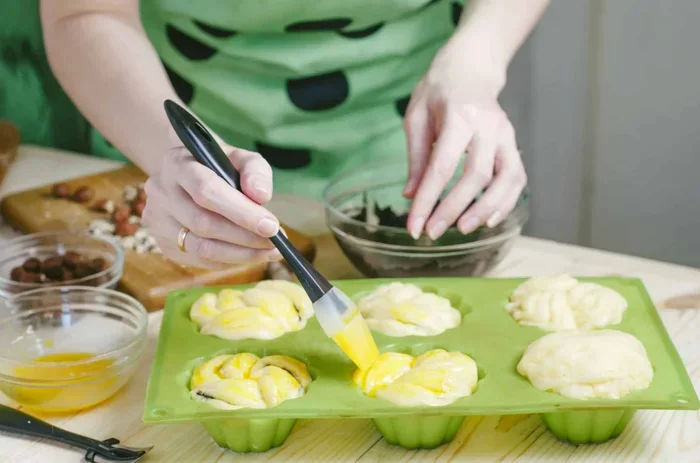
- Grease the mold lightly: Even though silicone is naturally non-stick, a light spray of cooking spray or a brush of butter helps with release. This is especially true for detailed molds with intricate patterns.
- Fill the mold evenly: Overfilling causes batter to overflow. Underfilling can cause the sides to collapse. Fill to about three-quarters full for the best results.
- Place the mold in the center of the oven: This ensures even heat distribution around the mold. Avoid placing it too close to the top or bottom heating elements.
- Let the mold cool before removing: Allow the baked goods to cool for at least 10 minutes before popping them out. The mold will be very hot, so use oven mitts.
Quick Tips For Best Results
- Always support the mold: Never place an empty silicone mold directly on an oven rack. Use a baking sheet or place it on a solid tray.
- Do not use the broiler: The direct, intense heat from a broiler can damage silicone quickly. Keep the mold away from the top heating element.
- Avoid open flames: If you are using a gas stove, make sure the mold does not touch the flame. Direct flame contact can scorch and damage the silicone.
- Use silicone-safe utensils: Metal utensils can scratch and damage the mold surface. Stick to wooden, silicone, or plastic tools.
Common Mistakes People Make With Silicone Molds
Even experienced bakers make mistakes with silicone molds in the oven. Knowing what to avoid helps you get the best results and extends the life of your molds.
Mistake 1: Skipping the Baking Sheet
This is the number one mistake people make. Silicone molds are floppy, and without a firm backing, they will flop over and spill your batter all over the oven. Always use a baking sheet underneath. It takes two seconds and saves you from a major cleanup.
Mistake 2: Using Oil-Heavy Sprays
Cooking sprays that contain flour or starch can build up on silicone over time. This creates a sticky residue that is hard to remove. Use a light coating of butter or a pure cooking oil spray instead. A silicone brush works great for applying a thin, even layer.
Mistake 3: Cutting Food Directly In The Mold
Your silicone mold is not a cutting board. Cutting baked goods directly inside the mold can scratch and tear the interior surface. Always remove the baked item and cut it on a separate surface.
Mistake 4: Using Abrasive Cleaners
Steel wool, harsh scrubbers, and abrasive cleaners can damage the silicone surface. Stick to warm soapy water and a soft sponge. For stubborn residue, soak the mold in warm water for 15 minutes before washing.
Mistake 5: Ignoring The Manufacturer’s Instructions
Every silicone mold is different. The manufacturer knows the product best. Ignoring their temperature guidelines and care instructions is the fastest way to ruin a good mold. Take two minutes to read the instructions when you first buy it.
Silicone Mold Care And Maintenance
Proper care is the secret to making your silicone baking molds last for years. A well-maintained mold performs better, releases food more easily, and stays safe to use.
Cleaning Your Silicone Mold
Cleaning silicone is easy, and it is one of the biggest advantages of using this material. Most molds are dishwasher safe, but hand washing is gentler and helps preserve the surface longer.
Here is the best way to clean your silicone mold:
- Let the mold cool completely after use. Never plunge a hot mold into cold water, as the sudden temperature change can cause warping.
- Wash with warm water and mild dish soap. Use a soft sponge or cloth to clean the interior.
- Rinse thoroughly to remove all soap residue.
- Dry completely before storing. Moisture trapped in the folds can lead to mold growth over time.
For molds with stubborn residue, try soaking them in warm, soapy water for 20 to 30 minutes. A soft-bristled brush can help reach into detailed patterns without damaging the surface.
Storing Your Silicone Mold
How you store your silicone mold matters more than you might think. Folding or crumpling silicone can create permanent creases and weaken the material over time.
Follow these simple storage tips:
- Store molds flat: Lay them on a shelf or in a drawer where they can keep their shape.
- Avoid stacking heavy items on top: This can deform the mold and affect its performance.
- Keep them away from direct sunlight: Prolonged UV exposure can cause silicone to degrade and discolor.
- Store in a cool, dry place: Heat and humidity are the enemies of long-term silicone durability.
How To Tell When A Silicone Mold Needs Replacing
Even with excellent care, silicone molds do not last forever. Here are signs that it is time to replace yours:
- Visible tears or holes: These can harbor bacteria and affect the shape of your baked goods.
- Persistent sticky feeling: If the surface remains tacky even after thorough cleaning, the silicone may be degrading.
- Strong odors that won’t go away: A lingering smell after washing can indicate heat damage or chemical breakdown.
- Warping or loss of shape: If the mold no longer sits flat on a surface, it has lost its structural integrity.
- Discoloration that affects performance: Dark spots or uneven coloring can signal that the material is breaking down.
Silicone Mold Vs Traditional Baking Pans
Many bakers wonder whether silicone molds are actually better than traditional metal pans. The answer depends on what you are baking and what you value most in your baking tools.
Benefits Of Silicone Molds
- Easy release: Food slides out of silicone molds with minimal effort. No greasing or flouring is usually needed.
- Lightweight: Silicone is much lighter than metal, making it easy to handle, especially for large or intricate molds.
- Flexible: You can bend the mold to pop out delicate baked goods without breaking them.
- Easy to clean: Non-stick surface means less scrubbing and fewer stuck-on bits.
- Versatile: Many silicone molds are safe for the oven, freezer, microwave, and dishwasher.
Benefits Of Traditional Metal Pans
- Better heat conduction: Metal heats up faster and more evenly than silicone, which can result in better browning and crispier edges.
- More durable: Metal pans do not degrade with heat exposure the way silicone can over many years.
- Heavier and more stable: Metal pans do not need a baking sheet underneath and are less likely to tip over.
- Professional results: For certain baked goods, metal pans produce a better texture and rise.
The best approach is to use both. Metal pans for tasks that need strong, even heat and silicone molds for recipes where easy release and flexibility matter most. Many bakers keep a mix of both in their kitchen and choose based on the recipe.
Can You Use Silicone Molds For Things Besides Baking?
Absolutely. Silicone molds are incredibly versatile tools that go far beyond the oven. You can use them to make ice cubes, frozen treats, chocolate candies, soap bars, and even jello. The flexibility and non-stick surface make them ideal for a wide range of kitchen tasks.
Just remember that when using silicone molds for anything other than baking, you still need to follow temperature guidelines. Freezing is safe for all silicone molds, but cooking or heating in a microwave requires checking that the mold is rated for that use.
Expert Insights On Silicone Mold Safety
We spoke with baking professionals and material scientists to get their take on using silicone molds in the oven. Here is what the experts had to say.
Dr. Sarah Chen, Food Materials Scientist: “Food grade silicone is one of the safest materials for kitchen use. It is chemically stable, does not react with food, and can handle a wide range of temperatures. The key is making sure the product is genuinely food grade and not a cheap substitute.”
Mark Thompson, Professional Baker: “I use silicone molds almost every day in my bakery. They are fantastic for intricate designs and delicate pastries. My biggest tip is always to support them on a baking sheet. I have learned that the hard way with a mess I will never forget.”
Lisa Rodriguez, Kitchen Safety Expert: “The most important thing is to check the temperature rating. Not all silicone is created equal. A mold that is not rated for high heat can warp, release odors, or even leach chemicals into your food. Always read the label.”
How Long Do Silicone Molds Last?
The lifespan of a silicone baking mold depends on how often you use it and how well you care for it. With proper use and maintenance, a quality silicone mold can last anywhere from 3 to 10 years. Some bakers report using the same mold for over a decade without any issues.
Factors that affect longevity include:
- Frequency of use: Daily use wears the material faster than occasional use.
- Temperature range: Consistently using the mold near its maximum heat limit shortens its lifespan.
- Cleaning methods: Gentle cleaning preserves the surface, while abrasive methods cause damage over time.
- Storage conditions: Proper storage prevents warping and deformation.
- Brand and quality: Premium molds with thick, high-quality silicone last significantly longer than budget options.
If you take care of your silicone mold in oven use, it will reward you with years of reliable performance. The key is treating it with respect and following the guidelines outlined in this article.
Final Thoughts
So, can you put silicone mold in oven? Yes, you absolutely can. Silicone molds are oven safe and will survive the heat as long as you stay within their temperature limits and follow a few simple guidelines. They are flexible, easy to use, and a joy to clean, which is why they have become a staple in kitchens around the world.
Remember to always check the manufacturer’s temperature rating, use a baking sheet for support, and avoid direct flame or broiler heat. Clean your molds gently, store them properly, and replace them when you notice signs of wear. With the right care, your silicone baking molds will serve you well for many years to come.
Whether you are a beginner baker or a seasoned pro, silicone molds add convenience and creativity to your kitchen. Use them confidently, experiment with new recipes, and enjoy the ease that these versatile tools bring to your baking experience. Happy baking.
Frequently Asked Questions
Can I put silicone mold in oven at 400 degrees?
Yes, most silicone baking molds are rated for temperatures up to 450°F, so 400°F is well within the safe range. Always check your specific mold’s label to confirm its maximum temperature rating before using it.
Is it safe to put silicone in a hot oven?
It is safe as long as the silicone is food grade and rated for oven use. Food grade silicone does not release harmful chemicals when heated. Just make sure you stay within the manufacturer’s recommended temperature limit.
Can silicone molds melt in the oven?
The silicone mold melting point is typically around 500°F to 600°F, so melting is unlikely at normal baking temperatures. However, prolonged exposure to very high heat can cause the mold to warp, thin out, or degrade in quality over time.
How do I know if my silicone mold is oven safe?
Look for the words “oven safe,” “food grade,” or a temperature rating on the packaging or the mold itself. If these details are missing, contact the manufacturer or avoid using the mold in the oven to stay safe.
Can you put a silicone mold directly on the oven rack?
It is best not to. Silicone molds are flexible and can tip over easily on a rack. Always place the mold on a baking sheet for stability. This prevents spills and keeps the mold’s shape intact during baking.
How long do silicone molds last in the oven?
A well-maintained silicone mold can last 3 to 10 years or more with regular oven use. Proper cleaning, gentle handling, and staying within the temperature limits are the best ways to extend the life of your silicone baking tools.
=== CONCLUSION ===
Can I put silicone mold in oven and will it survive? The answer is a confident yes. Silicone molds are designed to handle oven temperatures safely, and with proper care, they will last for many years. From checking the temperature rating to using a baking sheet for support, the steps in this guide help you get the best results every time you bake.
Take the time to understand your specific mold’s limits, follow the care tips shared here, and enjoy the flexibility and convenience that silicone baking tools bring to your kitchen. Whether you are making muffins, cakes, candies, or frozen treats, your silicone mold is ready to handle the heat. Start using your mold with confidence and make the most of this versatile kitchen essential today.