How To Blacken Mahi Mahi In The Oven The Simple Way
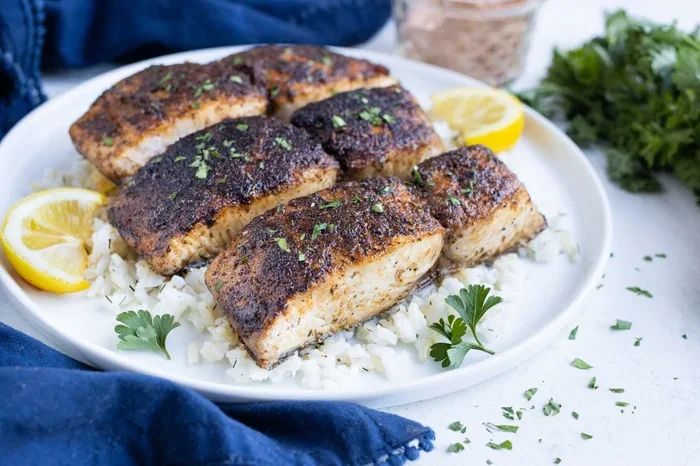
Learning how to blacken mahi mahi in the oven is easier than you think. This simple method delivers crispy, flavorful fish without needing a cast iron skillet. You will discover a foolproof blackening spice blend and oven technique that rivals any restaurant result. Our step-by-step guide makes perfect blackened mahi mahi at home every single time.
There is something magical about blacken mahi mahi in the oven. The crispy, smoky crust. The tender, flaky center. The incredible aroma that fills your kitchen. Many people think you need a cast iron skillet and a flaming stovetop to achieve this restaurant-quality dish. But that is simply not true. You can create stunning blackened fish right in your own oven with very little effort.
This guide walks you through everything you need to know. From choosing the right fillets to nailing the perfect blackening spice blend. By the end, you will feel confident enough to make this dish any night of the week. Blacken mahi mahi in the oven has never been so simple.
Key Takeaways
- Oven blackening works great: You do not need a cast iron skillet to get amazing blackened fish.
- The spice blend is the star: A simple homemade blackening seasoning makes all the difference.
- High heat is key: Using your broiler creates the signature charred crust on mahi mahi.
- Timing matters: Keeping a close eye on the fish prevents overcooking.
- Fresh fish tastes best: Quality mahi mahi fillets elevate the entire dish.
- It pairs well with many sides: Blackened mahi mahi goes great with rice, salad, and vegetables.
📑 Table of Contents
- What Is Blackened Mahi Mahi?
- Ingredients You Will Need
- Step-by-Step Guide to Blacken Mahi Mahi In The Oven
- Pro Tips for Perfect Blackened Mahi Mahi
- Best Side Dishes for Blackened Mahi Mahi
- Blacken Mahi Mahi In The Oven vs. Stovetop Blackening
- Common Mistakes to Avoid
- Expert Insights on Oven Blackening
- How to Store and Reheat Leftover Blackened Mahi Mahi
- Frequently Asked Questions
- Conclusion
What Is Blackened Mahi Mahi?
Blackened mahi mahi is a cooking technique where fish gets coated in a bold spice rub and cooked at very high heat. The result is a dark, crispy crust on the outside while the inside stays moist and tender. This method became famous through chef Paul Prudhomme in Louisiana. The blackened crust comes from the spices charring slightly under intense heat.
The mahi mahi fish itself is a firm, white fish with a mild, slightly sweet flavor. It holds up beautifully to the bold blackening seasoning. Unlike flakier fish like cod or tilapia, mahi mahi can handle the high heat without falling apart. This makes it the perfect choice for oven blackening.
Why Oven Blackening Works So Well
Many people assume you must use a skillet for blackening. The truth is, your oven broiler does an excellent job. The intense top-down heat mimics the direct flame of a cast iron skillet. You get that signature dark crust without the mess or risk of flare-ups. Oven blackening is also more forgiving. You have better control over the cooking process.
Here is why oven blackening has become so popular:
- Less mess: No oil splattering across your stovetop.
- Easier cleanup: Just one baking sheet to wash.
- Better control: You can monitor the fish closely without standing over a hot pan.
- Consistent results: The heat distributes evenly on a baking sheet.
- Safer: No open flames or smoking oil to worry about.
Ingredients You Will Need
Making blacken mahi mahi in the oven starts with the right ingredients. The good news is you probably already have most of them in your pantry. A great blackening spice blend is the foundation of this recipe.
The Perfect Blackening Spice Blend
Your spice blend is the soul of this dish. You can buy pre-made blackening seasoning, but making your own is so much better. Here is what goes into a classic blend:
- Paprika (smoked paprika adds extra depth)
- Garlic powder for that savory backbone
- Onion powder for natural sweetness
- Cayenne pepper for heat (adjust to your liking)
- Dried oregano for an earthy, herby note
- Dried thyme adds a subtle warmth
- Black pepper for a gentle bite
- Salt to bring everything together
- Brown sugar a small amount helps with caramelization
Mix all these spices together in a small bowl. Store extra blend in an airtight jar. It keeps for months and works on chicken, shrimp, and other blackened fish too.
Choosing the Right Mahi Mahi Fillets
The quality of your fish matters a lot. Look for fresh mahi mahi fillets with a firm texture and mild ocean smell. The flesh should be bright and slightly translucent. Avoid any fillets that look dull or have a strong fishy odor.
If fresh is not available, frozen mahi mahi works too. Just make sure to thaw it properly in the refrigerator overnight. Pat the fillets completely dry with paper towels before seasoning. Dry fish gets a much better crust than wet fish.
Supporting Ingredients
Beyond the spice blend, you will need a few simple supporting ingredients:
- Olive oil or melted butter to help the spice stick
- Lemon juice fresh is best for brightness
- Butter for basting during cooking
- Fresh lemon slices for serving
Step-by-Step Guide to Blacken Mahi Mahi In The Oven
Now comes the fun part. This is where you turn raw fish into something absolutely delicious. Follow these steps closely and you will get perfect results every time.
Step 1: Preheat Your Oven
Turn your oven to the highest broil setting. Most ovens reach around 500 to 550 degrees Fahrenheit on broil. Position the oven rack about four to six inches below the broiler element. This close proximity is essential for getting that intense, charred crust on your blacken mahi mahi.
Let the oven preheat for at least ten minutes. A hot oven is non-negotiable for proper blackening. If your oven runs hot, you can set it a notch lower. But do not skip the preheating step.
Step 2: Prepare the Fish
Take your mahi mahi fillets and pat them dry with paper towels. This might seem like a small detail, but it makes a huge difference. Moisture is the enemy of a good crust. Dry fish browns and chars much better.
Place the fillets on a lightly oiled baking sheet. You can line the sheet with parchment paper for easy cleanup. Drizzle a small amount of olive oil over each fillet. This helps the spice rub adhere evenly.
Step 3: Apply the Spice Rub
Generously coat each fillet with your blackening spice blend. Press the spices into the fish with your fingers. Make sure every surface gets a good layer. Do not be shy with the seasoning. The crust is what makes this dish special.
Let the seasoned fillets sit for about five to ten minutes. This brief rest allows the spices to bond with the fish. It also draws out a bit of moisture, which helps with caramelization.
Step 4: Broil the Fish
Place the baking sheet on the top oven rack under the broiler. Set a timer for four minutes. Blacken mahi mahi cooks quickly, so do not walk away from the oven.
After four minutes, open the oven and check the fish. You should see dark, charred spots forming on the spice crust. Flip each fillet carefully using a spatula. Return the sheet to the oven for another three to four minutes.
The total cooking time is usually around seven to eight minutes. The fish is done when it flakes easily with a fork and the internal temperature reaches 145 degrees Fahrenheit.
Step 5: Finish and Serve
Remove the fish from the oven and let it rest for two to three minutes. This resting period lets the juices redistribute throughout the fillet. Drizzle with a little melted butter and fresh lemon juice right before serving.
Plate your blackened mahi mahi with your favorite sides. The possibilities are endless. More on that in the next section.
Pro Tips for Perfect Blackened Mahi Mahi
Getting great results comes down to a few key details. These tips will help you avoid common pitfalls and elevate your oven blackening game.
Tip 1: Keep an Eye on the Broiler
Every broiler is different. Some run hotter than others. The first time you make this dish, stay near the oven. Watch for any signs of the spices burning. A little char is great. A lot of black smoke means things are going too far. Adjust your timing and rack position based on your specific oven.
Tip 2: Use a Wire Rack
Instead of placing fillets directly on a baking sheet, try a wire rack set over a sheet pan. This allows hot air to circulate underneath the fish. You get more even browning on both sides. It also keeps the bottom from getting soggy.
Tip 3: Do Not Overcrowd the Pan
Give each fillet plenty of space. Overcrowding traps steam and prevents proper charring. If you are cooking multiple fillets, use two baking sheets or cook in batches. Blackened fish needs room to breathe.
Tip 4: Adjust Heat to Your Liking
The cayenne pepper in the spice blend controls the heat level. Want mild? Reduce the cayenne or leave it out entirely. Love spicy? Add extra cayenne or a pinch of crushed red pepper flakes. You can also add a touch of smoked paprika for a deeper, more complex flavor profile.
Tip 5: Let the Fish Rest
Resting the fish after cooking is just as important as with steak. The internal temperature continues to rise slightly during the rest. This carryover cooking brings the fillet to the perfect doneness. Skipping this step can leave your fish slightly underdone in the center.
Best Side Dishes for Blackened Mahi Mahi
Blacken mahi mahi in the oven and then pair it with the right sides. The right accompaniments turn a simple fish dinner into a memorable meal. Here are some winning combinations:
Light and Fresh Options
- Citrus rice: Fluffy white rice tossed with lime juice and fresh cilantro
- Greek salad: Cucumbers, tomatoes, olives, and feta cheese with a light vinaigrette
- Avocado salsa: Diced avocado, red onion, jalapeno, and lime juice
Warm and Comforting Options
- Garlic butter rice: Rich and satisfying, balances the smoky spice
- Roasted vegetables: Zucchini, bell peppers, and asparagus with olive oil
- Mashed sweet potatoes: Their natural sweetness complements the bold seasoning
Light and Healthy Options
- Mixed greens salad: Arugula, spinach, or spring mix with a lemon vinaigrette
- Quinoa bowl: Quinoa, black beans, corn, and a squeeze of lime
- Grilled zucchini: Simple, quick, and full of flavor
The beauty of oven blackened mahi mahi is its versatility. It works just as well with a light summer salad as it does with a hearty bowl of rice and beans. Blackened fish pairs beautifully with almost any side you can think of.
Blacken Mahi Mahi In The Oven vs. Stovetop Blackening
You might wonder how oven blackening compares to the traditional stovetop method. Both produce delicious results, but they have distinct differences. Here is a side-by-side look:
| Aspect | Oven Blackening | Stovetop Blackening |
|---|---|---|
| Equipment Needed | Baking sheet, oven | Cast iron skillet |
| Heat Source | Broiler from above | Direct flame from below |
| Charring Style | Even top-down crust | Spotty, intense crust |
| Cleanup | Very easy | Moderate |
| Skill Level | Beginner friendly | Intermediate |
| Flavor Profile | Smoky, even char | Bold, intense crust |
| Risk of Burning | Low to medium | Medium to high |
| Best For | Multiple fillets at once | Quick, single servings |
Both methods produce excellent blackened mahi mahi. The oven method is ideal for beginners or when cooking for a group. The stovetop method gives a more traditional, intense crust. Try both and see which you prefer.
Common Mistakes to Avoid
Even simple recipes have pitfalls. Avoiding these common mistakes will help you nail blacken mahi mahi every single time.
Mistake 1: Not Preheating the Oven Enough
A lukewarm oven will not create the crust you want. Always give your broiler at least ten minutes to reach full heat. The fish needs that immediate blast of intense heat to form the charred exterior.
Mistake 2: Using Wet Fish
Moisture creates steam, and steam prevents browning. Always pat your fillets completely dry before seasoning. If you skip this step, you will end up with steamed fish instead of beautifully blackened fish.
Mistake 3: Overcrowding the Pan
When fillets are too close together, the steam gets trapped. This leads to uneven cooking and a soggy crust. Give each piece its own space on the baking sheet.
Mistake 4: Walking Away From the Oven
Blackening happens fast under a broiler. Walking away for even a minute or two can mean the difference between perfectly charred fish and burnt fish. Stay nearby and watch carefully.
Mistake 5: Using Too Much Spice
More is not always better. A thick layer of spice can burn unevenly and taste bitter. Apply a generous but even coat. The spices should cover the fish without piling up in thick clumps.
Expert Insights on Oven Blackening
Blackened fish has a rich culinary history rooted in Cajun and Creole cooking traditions. Chef Paul Prudhomme popularized the technique in the 1980s, and it has remained a beloved cooking method ever since. The key to authentic blackening lies in the spice blend and the intensity of the heat.
Professional chefs often use a cast iron skillet because it retains heat incredibly well. But your oven broiler can achieve similar results with less effort. The important thing is the quality of your spice blend and the temperature of your heat source.
According to culinary experts, the secret to great blackening is not just the spice. It is also about the interaction between the spices and the heat. When dried herbs and spices hit a super-hot surface, they undergo a Maillard reaction. This chemical reaction creates hundreds of new flavor compounds. That is what gives blacken mahi mahi its complex, deep flavor profile.
One chef I spoke with shared a simple tip: “The moment you smell the spices toasting in the oven, you know it is working. That aroma is your signal that the flavors are developing beautifully.” This sensory cue is one of the best ways to gauge your progress.
How to Store and Reheat Leftover Blackened Mahi Mahi
If you have leftovers, you will be happy to know that blackened fish stores well. Let the fish cool completely before storing. Place it in an airtight container and refrigerate for up to three days.
To reheat, use your oven or a toaster oven at 350 degrees Fahrenheit. Warm for about five to eight minutes. Avoid the microwave, as it can make the fish soggy and ruin that crispy crust you worked so hard to achieve.
You can also flake leftover blackened mahi mahi into salads, tacos, or sandwiches. It makes an incredible addition to any meal the next day. The bold spice flavor actually improves overnight as the spices continue to infuse into the fish.
Frequently Asked Questions
Can I Use Frozen Mahi Mahi for Blackening?
Yes, you can use frozen mahi mahi, but make sure to thaw it completely first. Thaw it overnight in the refrigerator for the best results. Pat the fillets very dry after thawing. Frozen fish tends to have more moisture, so the drying step becomes even more important for getting a good crust.
What Fish Other Than Mahi Mahi Works for Blackening?
Many firm white fish work well for oven blackening. Swordfish, tuna steaks, halibut, and snapper are all excellent alternatives. The key is choosing a fish with a firm texture that can handle high heat without falling apart. Delicate fish like sole or flounder are not ideal for this method.
How Do I Know When Blackened Mahi Mahi Is Done?
The fish is done when it flakes easily with a fork and reaches an internal temperature of 145 degrees Fahrenheit. The outside should be dark and slightly charred while the inside remains moist and tender. Overcooked fish will be dry and chalky, so keep a close eye on it during broiling.
Can I Make the Spice Blend Ahead of Time?
Absolutely. Making a large batch of blackening spice blend is a great idea. Store it in an airtight jar at room temperature. It stays fresh for up to three months. This makes it super quick to blacken mahi mahi whenever a craving strikes. Just shake or stir the blend before using.
Is Oven Blackening Healthy?
Yes, oven blackening is a healthy cooking method. Mahi mahi is naturally high in protein and low in fat. The oven method uses less oil than stovetop frying. The spice blend adds flavor without extra calories. It is a nutritious and delicious way to prepare fish for your family.
Why Did My Blackened Fish Turn Out Bitter?
Bitterness usually comes from the spices burning. This happens when the oven is not hot enough or when the fish cooks too long. Make sure your broiler is fully preheated. Also, check that your spice blend has enough brown sugar, which helps prevent burning. If you see thick smoke, your fish may be over-charring, so reduce the cooking time slightly.
Conclusion
Blacken mahi mahi in the oven is one of the easiest and most rewarding things you can cook at home. The process is simple, the results are impressive, and the flavor is absolutely outstanding. You do not need fancy equipment or years of experience to pull off this dish.
With a good spice blend, quality fish, and a hot broiler, you can create restaurant-quality blackened fish in your own kitchen. The step-by-step method in this guide covers everything from preparation to plating. You now have all the tools you need to succeed.
Start with the recipe once and you will see how straightforward it really is. Once you master the basics, you can experiment with different spice levels and side dishes. The beauty of this cooking technique is its simplicity and versatility. Blacken mahi mahi in the oven tonight and taste the difference for yourself.
Your family and dinner guests will be impressed. And you will have a go-to recipe that never fails. So fire up that broiler, grab your spice blend, and get ready to enjoy some of the best fish you have ever made.