What Are Air Fryer Liners Made Of And Why They Matter
Air fryer liners are made from materials like parchment paper, silicone, and aluminum foil, each offering unique benefits for your cooking needs. These simple accessories protect your air fryer basket, make cleanup effortless, and improve overall air fryer performance. Understanding what goes into your liners helps you choose the safest, most effective option for every meal.
Have you ever wondered what those little liners you put in your air fryer are actually made of? Air fryer liners have become one of the most popular air fryer accessories on the market, and for good reason. They save you time, keep your appliance clean, and make air fryer cooking a whole lot easier. But not all liners are created equal, and knowing what they are made of can make a big difference in safety, performance, and taste.
Whether you are a beginner just getting started with air fryer recipes or a seasoned home cook, understanding your liner options is essential. The material your liner is made from affects how your food cooks, how safe it is, and how easy your cleanup will be afterward. In this guide, we break down everything you need to know about what air fryer liners are made of and why choosing the right one matters for your kitchen.
Many people overlook the importance of liner material, but it plays a direct role in your air fryer performance. A poor-quality liner can melt, release unwanted chemicals, or even block the hot air that makes your air fryer work so well. So let us dive in and explore the different materials, their benefits, and how to pick the best one for your needs.
Key Takeaways
- Parchment paper liners are the most popular choice because they are heat-resistant, disposable, and safe for most air fryer models.
- Silicone liners offer a reusable, eco-friendly alternative that can withstand high temperatures and last for months of regular air fryer cooking.
- Aluminum foil liners work well for certain recipes but require careful use to avoid blocking airflow and affecting your air fryer performance.
- Perforated paper liners allow hot air to circulate evenly, which helps your food cook more consistently in the air fryer basket.
- Always check the temperature rating of your liner material to prevent melting, smoking, or releasing harmful chemicals into your food.
- Using the right liner reduces air fryer cleanup time significantly and extends the life of your appliance.
- Not all liners are equal, so understanding what they are made of helps you make safer and smarter choices for your kitchen.
📑 Table of Contents
What Are Air Fryer Liners Made Of?
The short answer is that air fryer liners come in a few different materials, and each one serves a slightly different purpose. Let us look at the most common types you will find on store shelves and online.
Parchment Paper Liners
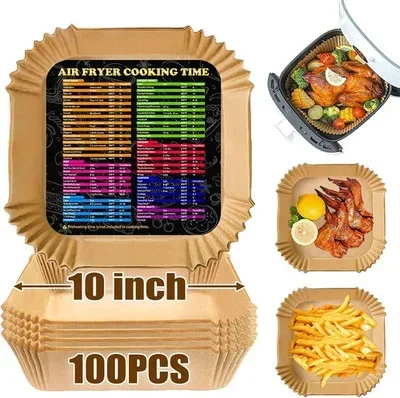
Parchment paper is the most widely used material for disposable air fryer liners. It is a cellulose-based paper that has been treated with heat-resistant properties, making it safe for use at temperatures up to around 450 degrees Fahrenheit. Most parchment liners are unbleached and free from harmful chemicals, which is a big plus for air fryer safety.
These liners are lightweight, easy to cut to size, and designed to fit snugly inside the air fryer basket. They work especially well for air fryer baking tasks like making muffins, cookies, or small pastries. One of the best things about parchment liners is that they are disposable, which means no scrubbing or soaking after your meal.
When shopping for parchment liners, look for ones that are labeled food grade and heat resistant. Some brands also include pre-cut round shapes that match specific air fryer models, which makes setup quick and fuss-free. If you enjoy experimenting with air fryer recipes, parchment paper liners give you a reliable, no-fuss cooking surface every time.
Silicone Liners
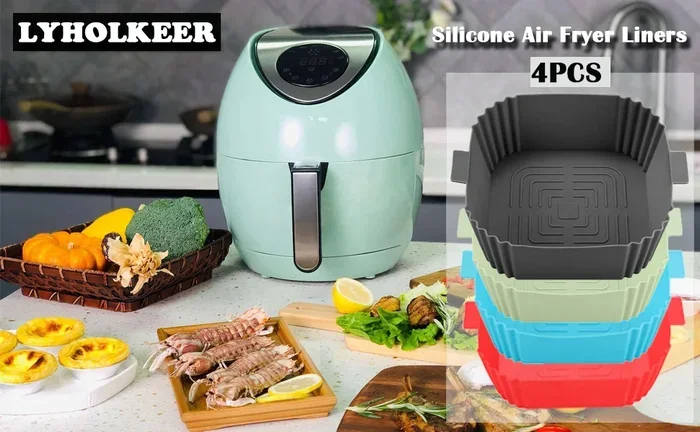
Silicone liners are the go-to choice for anyone looking for a reusable option. Made from food-grade silicone, these liners can handle temperatures up to 500 degrees Fahrenheit or higher, depending on the brand. They are flexible, durable, and designed to last through hundreds of uses, which makes them a smart investment for frequent air fryer cooking.
Silicone liners are naturally non-stick, which means your food slides right off after cooking. They are also easy to clean, usually just requiring a quick wash with warm soapy water. Over time, they pay for themselves by eliminating the need to buy disposable liners over and over again.
One thing to keep in mind is that silicone liners can shift around in the basket if they are not sized correctly. Look for liners with raised edges or perforations that help them stay in place. If you care about reducing waste in your kitchen, silicone is a fantastic choice for sustainable air fryer accessories.
Aluminum Foil Liners
Aluminum foil liners are another option, though they are less common than parchment and silicone. Foil liners can handle very high temperatures and are great for recipes that need a sturdy surface, such as roasting vegetables or cooking heavier meats in the air fryer.
However, foil liners come with a caveat. Because foil is solid and does not have holes, it can block the airflow inside your air fryer basket. This can lead to uneven cooking and longer cook times. If you do use foil liners, make sure to poke holes in them before placing them in the fryer. This allows the hot air to circulate properly and keeps your food cooking evenly.
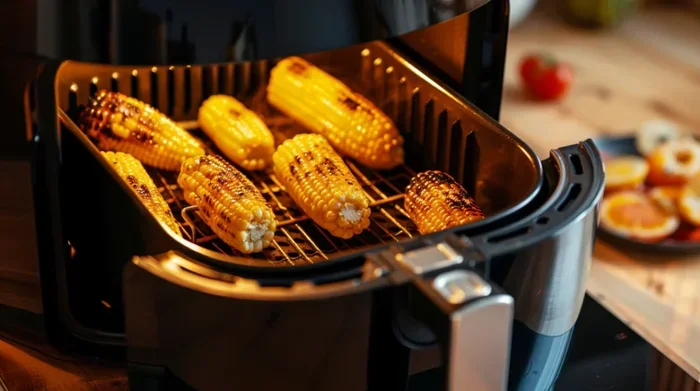
Some people also use foil liners to wrap foods like potatoes or corn on the cob for a steamed effect inside the air fryer. Just be careful not to let the foil touch the heating elements, as this can cause sparking or damage to your appliance. For safe and effective use, always follow the manufacturer guidelines for your specific air fryer model.
Perforated Paper Liners
Perforated paper liners are similar to parchment liners but come with tiny holes pre-punched into them. These holes are designed to allow hot air to flow through the liner and reach your food from all directions. This promotes even air fryer cooking and helps achieve that signature crispy texture on your favorite foods.
These liners are ideal for foods that need airflow to crisp up properly, such as french fries, chicken wings, or roasted vegetables. The perforations also help grease drain away from the food, which can make your meals a bit healthier. They are disposable like regular parchment liners, so cleanup is a breeze.
When choosing perforated liners, check the hole pattern and size. Some brands have larger holes that allow better airflow, while others have smaller holes that may restrict circulation slightly. If crispy results matter to you, this is a small detail that can make a noticeable difference in your air fryer performance.
Why Air Fryer Liners Matter
You might be thinking, do I really need a liner for my air fryer? The answer is not always, but for many people, liners make a huge difference. Here is why they matter and why more cooks are making them a regular part of their air fryer cleanup routine.
Easy Cleanup
The biggest reason people use air fryer liners is the cleanup. Without a liner, grease and food particles can stick to the basket, requiring soaking and scrubbing. With a liner, you simply lift it out along with the food and toss it away. This alone can save you several minutes of cleanup after every meal.
If you use your air fryer frequently, this convenience adds up quickly. Instead of spending time scrubbing baked-on grease, you can move on to your next task. For busy weeknights or meal prep days, that time savings is real and valuable.
Protecting Your Air Fryer Basket
Over time, the non-stick coating inside your air fryer basket can wear down. Scrubbing, scratching, and repeated exposure to high heat all contribute to this wear. Using a liner creates a protective barrier between your food and the basket, which helps preserve the non-stick surface and extends the life of your appliance.
This is especially important if you cook sticky or saucy foods regularly. Sauces, marinades, and sugary glazes can be tough on the basket coating. A liner catches all of that mess so your basket stays in great shape for longer. Think of it as an investment in your air fryer maintenance routine.
Health and Safety Benefits
Using a quality liner made from safe, food-grade materials reduces the risk of chemicals leaching into your food. Cheap or unverified liners may contain coatings or treatments that are not meant to withstand high temperatures. When these liners break down, they can release unwanted substances into your meals.
Always choose liners from reputable brands that clearly state their materials and temperature limits. If you are ever unsure, check the product packaging or the manufacturer’s website. Your health and safety should always come first, and using the right liner is a simple way to protect yourself and your family while enjoying air fryer cooking.
Comparing Air Fryer Liner Materials
Choosing the right liner can feel overwhelming when you see all the options available. Here is a quick comparison of the most popular materials to help you decide which one fits your needs best.
- Parchment Paper Liners: Best for everyday use, disposable, easy to find, and affordable. Great for baking and roasting.
- Silicone Liners: Best for eco-conscious users, reusable, durable, and easy to clean. Ideal for frequent air fryer cooks.
- Aluminum Foil Liners: Best for heavy-duty cooking, sturdy, and heat resistant. Requires caution with airflow and placement.
- Perforated Paper Liners: Best for crispy results, promotes even airflow, and is disposable. Perfect for fries and wings.
If you are still deciding, consider how often you use your air fryer and what types of food you cook most. For occasional use, parchment liners are simple and effective. For daily use, a silicone liner will save you money over time. For crispy favorites like fries and wings, perforated paper liners deliver the best results.
How to Choose the Right Air Fryer Liner
Not all liners work the same way, and picking the wrong one can lead to frustration or even safety issues. Here are some key factors to consider before you buy.
First, check the temperature rating. Your liner should be rated for at least the highest temperature you plan to use. Most air fryers operate between 350 and 400 degrees Fahrenheit, but some models can go higher. If you plan to use your air fryer temperature at extreme ranges, make sure your liner can handle it.
Second, consider the size and shape. Liners come in round, square, and custom shapes to fit different air fryer models. Measure your basket before purchasing to make sure the liner fits properly. A liner that is too small will shift around during cooking, and one that is too large may block the airflow vents.
Third, think about whether you want disposable or reusable. Disposable liners are convenient and require no washing, but they add up in cost over time. Reusable silicone liners cost more upfront but save money and reduce waste in the long run. Many cooks keep a mix of both for different situations.
Finally, look for certifications and quality marks. Liners that are labeled food grade, BPA-free, and heat resistant have been tested for safety. Avoid unbranded or generic liners that do not provide clear information about their materials. Your air fryer safety depends on using products you can trust.
Quick Tips for Using Air Fryer Liners
- Always preheat your air fryer with the liner inside to prevent it from shifting during cooking.
- Do not overlap the edges of the liner with the basket rim, as this can block airflow.
- Use tongs or oven mitts when removing a hot liner to avoid burns.
- For foil liners, poke several holes to allow proper hot air circulation.
- Store reusable silicone liners flat or rolled to maintain their shape and longevity.
- Never use a liner that is damaged, discolored, or has a strange smell, as this could indicate material breakdown.
Common Mistakes People Make With Air Fryer Liners
Even experienced air fryer users can make mistakes when it comes to liners. Here are a few to watch out for.
One common error is using wax paper instead of parchment paper. Wax paper is not heat resistant and can melt or catch fire inside your air fryer. Always double-check that you are using parchment or a liner specifically designed for high-heat cooking.
Another mistake is covering the entire bottom of the basket with a liner without leaving space for airflow. Your air fryer works by circulating hot air around the food, and blocking that circulation leads to uneven or soggy results. Leave room around the edges and over any vents for the best performance.
Some people also forget to weigh down the liner with food. Without the weight of your ingredients, the liner can flutter around and get caught in the heating element. Placing your food on top of the liner keeps everything secure and safe during the cooking cycle.
Finally, never reuse a disposable liner that has already been through a cooking cycle. The material may have weakened or absorbed grease, which can affect both safety and flavor. When in doubt, use a fresh liner for every cook. This simple habit keeps your air fryer cooking safe and your meals tasting great.
Expert Insights on Air Fryer Liner Materials
According to kitchen appliance experts, the best liner is one that matches your cooking style and air fryer model. Air fryer accessories like liners are not just about convenience, they play a real role in protecting your appliance and improving your results. Experts recommend parchment paper liners for most everyday cooking tasks because they are widely available, affordable, and safe at standard air fryer temperatures.
For those who cook coffee-based recipes in the air fryer, such as air fryer coffee rubs or chocolate-dipped espresso beans, parchment liners are especially useful because they absorb excess oils without affecting the flavor. If you are a coffee enthusiast who also loves experimenting with air fryer recipes, you might even try using your air fryer to roast coffee beans or create ground coffee snacks. Just make sure your liner can handle the temperature and that you do not block the airflow.
Nutritionists also point out that using a liner can help reduce the amount of grease your food absorbs during cooking. The liner catches excess oil and prevents it from reattaching to your food, which can make your meals a bit lighter and healthier. This is a small change that adds up over time, especially if you are mindful about your fat intake or are following a specific diet plan.
When it comes to air fryer maintenance, experts agree that using a liner is one of the simplest and most effective steps you can take. It protects the non-stick coating, reduces the need for deep cleaning, and keeps your appliance running smoothly for years. A little investment in the right liners goes a long way toward preserving your air fryer and getting the best results from every cook.
Final Thoughts on What Air Fryer Liners Are Made Of
Understanding what your air fryer liners are made of is one of the easiest ways to improve your cooking experience and keep your appliance in great shape. Whether you choose parchment, silicone, aluminum foil, or perforated paper, each material has its own strengths and ideal use cases. The key is to match the liner to your cooking style, your air fryer model, and your personal preferences for convenience and sustainability.
By choosing the right liner, you get easier cleanup, better cooking results, and added protection for your air fryer basket. These small accessories make a big difference, and once you start using them, it is hard to imagine cooking without one. Take a few minutes to evaluate your current liner situation and make the switch if needed. Your air fryer and your taste buds will thank you.
Remember, the best liner is one that is safe, fits your basket properly, and supports the kind of cooking you love most. With the right knowledge and a little planning, you can enjoy every meal with confidence, knowing your air fryer liners are doing their job. Happy cooking, and enjoy the easy, mess-free experience that the right liner can bring to your kitchen.
For those who enjoy exploring coffee-based air fryer creations, you might also be interested in how much caffeine survives the air frying process or how air fryer accessories can enhance your coffee cooking experiments. Pairing the right liner with your favorite air fryer recipes is the foundation of a great cooking experience every single time.
Frequently Asked Questions
Can You Put Parchment Paper in an Air Fryer?
Yes, parchment paper is safe to use in most air fryers as long as the temperature stays below 450 degrees Fahrenheit. Parchment liners are specifically designed for high-heat cooking and are one of the most popular air fryer accessories on the market today.
Are Silicone Air Fryer Liners Safe?
Absolutely. Food-grade silicone liners are non-toxic, heat resistant, and designed for repeated use. They are a safe and eco-friendly option for anyone looking to reduce waste while still enjoying convenient air fryer cooking and easy cleanup.
Do Air Fryer Liners Affect Cooking Time?
They can, depending on the material. Perforated paper liners allow airflow and have minimal impact on cook time, while solid foil liners may slow things down if you do not poke holes in them. Choosing the right liner helps maintain your air fryer performance and keeps cooking times consistent.
Can You Reuse Disposable Air Fryer Liners?
No, disposable liners are designed for single use only. Reusing them can lead to material breakdown, grease buildup, and potential safety issues. Always use a fresh liner for each cooking session to ensure the best results and air fryer safety.
What Is the Best Liner for Crispy Foods?
Perforated paper liners are the best choice for crispy foods like french fries and chicken wings. The small holes allow hot air to circulate evenly around the food, which helps achieve that perfect crunch without blocking your air fryer basket airflow.
Are There Any Health Risks With Air Fryer Liners?
Health risks are minimal when you use liners from reputable brands that are labeled food grade and heat resistant. Avoid unverified or unbranded liners, as they may contain coatings or materials that are not safe for high-temperature use. Always check the product details before purchasing to keep your air fryer cooking safe and healthy.