Are Silicone Air Fryer Liners Really Dishwasher Safe
Silicone air fryer liners are generally dishwasher safe, but there are important factors to consider before tossing them in. Not all silicone liners handle high heat the same way, and improper cleaning can reduce their lifespan. Understanding proper cleaning methods and safety guidelines helps you get the most out of your air fryer accessories.
Silicone air fryer liners have become one of the most popular air fryer accessories in kitchens everywhere. They promise mess-free cooking, easy cleanup, and a reusable alternative to parchment paper. But one question keeps popping up in forums and comment sections: are silicone air fryer liners really dishwasher safe? The short answer is yes, but there is more to the story than a simple yes or no. In this guide, we will walk through everything you need to know about cleaning, safety, durability, and best practices for your silicone air fryer liners.
You invested in a good air fryer. You want to get the most out of it. That means understanding every accessory that comes with it. Silicone air fryer liners make cooking easier, but only if you care for them the right way. Cleaning them properly directly affects how long they last and how safe they are to use. Let us break it all down so you can clean with confidence and cook with peace of mind.
## What Are Silicone Air Fryer Liners?
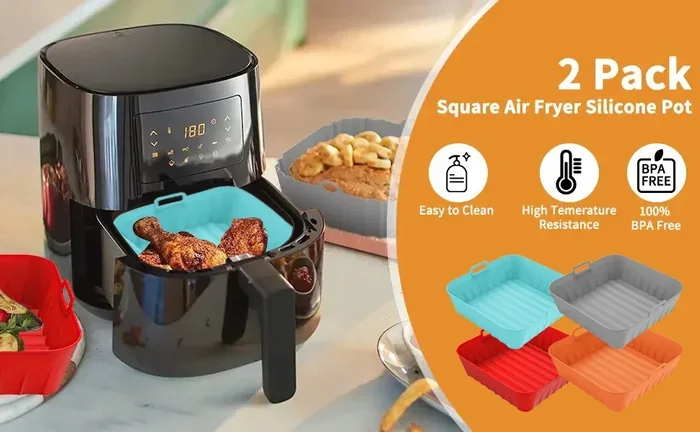
Silicone air fryer liners are flexible, heat-resistant mats designed to fit inside the basket of your air fryer. They create a barrier between your food and the air fryer tray. This means less grease buildup, fewer stuck-on crumbs, and a much easier cleanup process. Most silicone air fryer liners are made from food-grade silicone, which can handle high temperatures without releasing harmful chemicals.
### How They Work
These liners work by distributing heat evenly across the surface of your food. The perforated holes in most designs allow hot air to circulate freely. This means your food still gets that perfect crispy texture. At the same time, the liner catches grease and crumbs that would otherwise make a mess. Think of them as a reusable, non-stick surface that slides right into your air fryer basket.
### Why People Love Them
The popularity of silicone air fryer liners has exploded in recent years. Here is why so many home cooks are switching to them:
- Reusable: Unlike parchment paper, you can wash and reuse silicone liners dozens of times.
- Non-stick surface: Food slides right off, which means less oil and fewer stuck-on messes.
- Eco-friendly: You reduce waste by skipping single-use parchment paper and aluminum foil.
- Cost-effective: One liner can last for months or even years with proper care.
- Versatile: They work in most air fryer models and can also be used in ovens and microwaves.
## Are Silicone Air Fryer Liners Dishwasher Safe?
This is the question that matters most. Are silicone air fryer liners dishwasher safe? The good news is that most high-quality silicone liners are designed to withstand dishwasher cleaning. The heat, water pressure, and detergent in a standard dishwasher cycle will not damage food-grade silicone under normal circumstances.
### The Short Answer
Yes, silicone air fryer liners are generally dishwasher safe. You can place them on the top rack of your dishwasher and run a normal cycle. However, there are a few caveats that every user should know. Not all silicone is created equal, and not every dishwasher operates the same way.
### What Manufacturers Say
Most reputable brands clearly label their silicone air fryer liners as dishwasher safe. For example, if you check the care instructions for silicone components in appliances like Delonghi coffee machines, you will find similar guidance about dishwasher-safe parts. The same principles apply here. Always check the product packaging or manufacturer website for specific cleaning instructions. Some brands recommend a gentle cycle or a maximum temperature limit.
### Temperature Tolerance and Safety
Food-grade silicone can typically withstand temperatures up to 450°F (232°C). This means it handles both the washing and drying cycles of most dishwashers without any issues. However, if your dishwasher has a heated dry setting that reaches extreme temperatures, it is better to skip it. Removing the liner before the heated dry cycle starts is a simple way to protect it.
## Benefits of Using Silicone Air Fryer Liners
Beyond being dishwasher safe, silicone air fryer liners offer a range of benefits that make them a smart addition to any kitchen. Let us look at why so many home cooks swear by them.
### Easy Cleanup
This is the number one reason people buy silicone liners. Grease and food particles slide right off the surface. A quick rinse or a trip through the dishwasher, and your liner looks as good as new. No more scrubbing baked-on grease from your air fryer basket. No more soaking trays for hours. The cleanup process becomes fast, simple, and almost effortless.
### Reusable and Eco-Friendly
Every year, billions of sheets of parchment paper end up in landfills. Silicone air fryer liners offer a sustainable alternative. One liner can replace hundreds of sheets of parchment paper over its lifetime. For environmentally conscious cooks, this is a huge win. You reduce waste without sacrificing convenience or cooking performance.
### Non-Stick Performance
The non-stick surface of quality silicone liners means you use less oil and still get crispy results. Food releases easily, which also means your meals cook more evenly. You will notice fewer burnt edges and more consistent browning across your favorite air fryer recipes.
### Chemical Safety
High-quality food-grade silicone does not contain harmful chemicals like BPA, phthalates, or lead. This is an important consideration for anyone who cares about what touches their food. Unlike some lower-quality materials that may leach substances at high temperatures, certified food-grade silicone remains inert and stable. If you are curious about how chemicals interact with food products, you might find it interesting to learn about what chemicals are used to make decaffeinated coffee, as both topics deal with food safety and material interactions.
## How to Properly Clean Silicone Air Fryer Liners
Knowing whether your liners are dishwasher safe is only half the battle. You also need to know how to clean them properly. The right cleaning routine keeps your liners performing well and extends their lifespan significantly.
### Dishwasher Cleaning Tips
If you prefer the convenience of the dishwasher, follow these simple steps:
- Place the liner on the top rack of your dishwasher. This keeps it away from the heating element at the bottom.
- Use a normal or gentle cycle. Avoid heavy-duty or sanitize cycles that use extremely high temperatures.
- Skip the heated dry option. Let the liner air dry after the wash cycle finishes.
- Remove the liner promptly once the cycle is done. Leaving it sitting in a wet dishwasher can cause water spots.
### Hand Washing vs. Dishwasher
Both methods work well, but hand washing offers a few advantages. When you wash your silicone air fryer liners by hand, you have more control over water temperature and pressure. Use warm water and a mild dish soap. A soft sponge or cloth is all you need. Avoid abrasive scrubbers or steel wool, as these can scratch the silicone surface.
The dishwasher is perfectly fine for regular cleaning. But if you notice stubborn grease buildup after a dishwasher cycle, a hand wash will take care of it quickly. Think of hand washing as the maintenance routine and the dishwasher as the convenience option.
### Common Cleaning Mistakes to Avoid
Even though silicone is durable, certain cleaning habits can shorten its lifespan. Here are mistakes to avoid:
- Using abrasive cleaners: Harsh chemical cleaners can degrade the silicone over time. Stick with mild dish soap.
- Using metal utensils on the liner: Metal forks or knives can puncture or scratch the surface.
- Ignoring stains: Some food pigments can stain silicone. Soaking the liner in a baking soda solution helps remove discoloration.
- Exposing to open flames: Silicone liners should never touch direct flames or heating elements. This can cause melting or warping.
- Using the wrong cleaning tools: Avoid steel wool, scouring pads, or rough brushes that can damage the material.
Quick Tip: If your liner has stubborn grease stains, make a paste of baking soda and water. Gently rub it onto the stained area, let it sit for 15 minutes, and rinse thoroughly. This natural method works wonders without any harsh chemicals.
## Silicone Air Fryer Liners vs. Parchment Paper
It is helpful to understand how silicone liners compare to the traditional alternative. Many people wonder whether the switch is really worth it. Let us break down the comparison.
### Cost Comparison
Parchment paper is cheap per sheet, but you go through a lot of it. A box of 100 sheets might cost around $10 and last a few weeks with regular use. A quality silicone liner costs $10 to $20 but can last for a year or more. Over time, silicone liners save you money.
### Environmental Impact
Parchment paper is single-use. It goes straight into the trash after every cooking session. Silicone liners are reusable, which means less waste in landfills. For anyone looking to make their kitchen more sustainable, switching to a reusable liner is an easy change to make.
### Convenience Factor
Parchment paper requires cutting and fitting for every use. Silicone liners are pre-cut and ready to go. You pop them in, cook your food, and take them out. The cleanup is faster too, especially when you use a dishwasher.
### Performance
Both options deliver good results. Parchment paper works well for most recipes. Silicone liners offer slightly better non-stick performance and more consistent heat distribution. If you air fry frequently, the silicone option clearly wins in the long run.
## How Long Do Silicone Air Fryer Liners Last?
Durability is a top concern for anyone investing in reusable kitchen products. The good news is that quality silicone liners are built to last. With proper care, a single liner can serve you well for 12 months to several years.
### Signs You Need a Replacement
Even the best liners wear out eventually. Watch for these warning signs:
- Tears or holes: Any visible damage means the liner is no longer effective and should be replaced.
- Discoloration: While some staining is normal, deep or permanent discoloration may signal material breakdown.
- Warping or deformation: If the liner no longer lies flat in your air fryer basket, it has lost its shape.
- Sticky or tacky surface: A change in texture means the silicone is degrading and may not be safe to use.
- Persistent odors: If the liner retains cooking smells even after thorough cleaning, it is time for a new one.
### Extending the Life of Your Liners
A few simple habits can keep your silicone air fryer liners in excellent condition for years:
- Store them flat or loosely rolled: Avoid folding or creasing, which can cause permanent damage to the silicone.
- Clean them after every use: Do not let grease sit on the liner for extended periods.
- Avoid direct contact with heating elements: Always place the liner inside the basket, never on the heating element itself.
- Let them cool before washing: Sudden temperature changes can stress the silicone material.
- Use gentle cleaning methods: Hand washing with mild soap is the gentlest option for regular maintenance.
## Expert Tips for Using Silicone Air Fryer Liners
Getting the most out of your silicone air fryer liners comes down to a few smart habits. Here are some expert tips that make a real difference.
First, always preheat your air fryer with the liner inside. This helps the liner settle into place and prevents it from shifting during cooking. A stable liner means more even cooking and fewer accidents.
Second, do not overlap the liner with the edges of the basket. Most liners are designed to fit specific basket sizes. Overlapping can block air circulation and affect cooking results. Check your air fryer manual for recommended liner sizes.
Third, rotate the liner halfway through cooking if you are preparing larger meals. This ensures both sides of your food get equal exposure to the hot air circulating inside the fryer.
Fourth, keep a backup liner on hand. Even the most durable liners wear out over time. Having a spare means you never have to skip a cooking session while one is in the wash.
Fifth, always let your liners cool completely before washing them. Placing hot silicone in cold water can cause thermal shock, which weakens the material over time. Let them rest on a heat-safe surface until they reach room temperature.
## Common Myths About Silicone Air Fryer Liners
There is a lot of misinformation floating around about silicone liners. Let us clear up some of the most common myths.
Myth 1: Silicone liners release harmful chemicals at high temperatures. This is false for food-grade silicone. Certified food-grade silicone is stable and safe at temperatures up to 450°F. It does not release toxic fumes or chemicals during normal air fryer cooking.
Myth 2: Dishwashers ruin silicone liners. Standard dishwashers do not damage food-grade silicone. The key is to avoid extreme heat settings and to remove the liner before the heated dry cycle.
Myth 3: All silicone liners are the same quality. This could not be further from the truth. Cheap, low-grade silicone may contain fillers or impurities that affect performance and safety. Always look for food-grade, BPA-free silicone from reputable brands.
Myth 4: You can use silicone liners in a microwave or oven at any temperature. While silicone is heat-resistant, every product has its limits. Always check the manufacturer’s maximum temperature recommendation before using your liner in any appliance.
## Frequently Asked Questions
Can you put silicone air fryer liners in the dishwasher?
Yes, most food-grade silicone air fryer liners are dishwasher safe. Place them on the top rack and use a normal or gentle cycle. Avoid the heated dry setting to protect the silicone from excessive heat.
How often should you replace your silicone air fryer liner?
With regular use and proper care, a silicone liner can last 12 months or longer. Replace it as soon as you notice tears, warping, persistent odors, or significant discoloration that does not wash out.
Are silicone air fryer liners safe for high-heat cooking?
Food-grade silicone can handle temperatures up to 450°F, which covers the typical range of most air fryers. Always check the manufacturer’s temperature rating to be sure your specific liner is rated for your cooking temperatures.
Can you use silicone liners in an oven as well?
Many silicone air fryer liners are oven-safe up to their maximum temperature rating. However, always verify with the manufacturer before using a liner in an oven, as some models are specifically designed for air fryers only.
Do silicone air fryer liners affect cooking time or temperature?
Good-quality silicone liners have minimal impact on cooking time and temperature. The perforated holes in most designs allow hot air to circulate freely, ensuring your food cooks evenly and gets that desired crispy texture.
Can silicone liners go in the freezer?
Yes, food-grade silicone is safe to use in the freezer. Just make sure the liner is clean and dry before placing it in the freezer, and allow it to come to room temperature before washing it after use.
## Conclusion
The answer to whether silicone air fryer liners are dishwasher safe is a confident yes for most high-quality, food-grade options. These versatile air fryer accessories make cooking easier, cleanup faster, and your kitchen more sustainable. By following the cleaning tips and care guidelines in this article, you can enjoy your silicone liners for years to come.
Remember, always check the manufacturer’s recommendations, avoid harsh cleaning tools, and replace your liner when you notice signs of wear. A little care goes a long way in keeping your silicone air fryer liners in top condition. Whether you choose to hand wash or use the dishwasher, the most important thing is that you are taking steps to keep your cooking tools clean and safe. Start today, and your air fryer (and your taste buds) will thank you.
Key Takeaways
- Most food-grade silicone liners are dishwasher safe: They can handle standard dishwasher cycles without warping or degrading.
- Check the manufacturer’s guidelines: Always verify heat resistance and cleaning recommendations from the brand.
- Hand washing extends liner life: While dishwashers work, gentle hand washing keeps silicone liners in top shape longer.
- Avoid high-heat drying cycles: Excessive heat in the dryer can weaken silicone over time.
- Silicone liners outlast parchment paper: They are reusable, eco-friendly, and cost-effective in the long run.
- Inspect liners regularly: Look for tears, discoloration, or warping that signals it is time for a replacement.
- Proper storage matters: Store liners flat or rolled to maintain their shape and integrity.
Frequently Asked Questions
What is Are Silicone Air Fryer Liners Dishwasher Safe?
Are Silicone Air Fryer Liners Dishwasher Safe is an important topic with many practical applications.