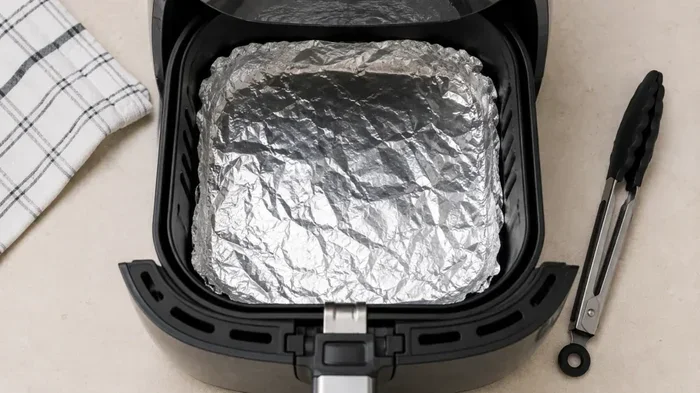
Can You Put Aluminum In Air Fryer Facts You Need to Know
Yes, you can put aluminum in an air fryer, but there are important safety rules to follow. Using aluminum foil or containers in your air fryer is generally safe when done correctly. Learn the facts, risks, and best practices to cook with confidence.
Can you put aluminum in an air fryer? This is one of the most common questions home cooks ask. Whether you want to line your basket with foil or wrap food in aluminum for crispier results, the answer is not as simple as yes or no. There are real safety considerations, practical tips, and a few surprising facts you need to know before you start.
Air fryers have changed the way we cook at home. They use hot air to crisp food without the mess of deep frying. But because they work so differently from traditional ovens, not everything that goes in an oven belongs in an air fryer. Aluminum is one of those materials that causes a lot of confusion. Some people say it is perfectly fine. Others warn against it entirely. The truth lies somewhere in the middle.
In this article, we break down everything you need to know about using aluminum in your air fryer. We cover safety, best practices, risks, and easy alternatives. By the end, you will feel confident about your choices. Let us dive into the facts you need to know.
Key Takeaways
- Aluminum is safe in air fryers when used properly and at recommended temperatures.
- Never cover the air vents with foil, as this blocks airflow and creates safety hazards.
- Use foil only on the bottom basket to catch drips and make cleanup easier.
- Avoid acidic foods like tomatoes and citrus on aluminum, as they can cause leaching.
- Parchment paper is a safer alternative for most air fryer cooking tasks.
- Check your air fryer manual before using any aluminum accessories.
- Keep temperatures below 400°F when using aluminum to prevent melting or warping.
📑 Table of Contents
- What Happens When You Put Aluminum in an Air Fryer
- Is It Safe to Use Aluminum Foil in an Air Fryer
- Best Practices for Using Aluminum in Your Air Fryer
- Aluminum Containers vs. Aluminum Foil in Air Fryers
- Common Mistakes People Make with Aluminum in Air Fryers
- Alternatives to Aluminum for Air Fryer Cooking
- How to Clean Your Air Fryer After Using Aluminum
- Health Considerations: Does Aluminum Leach Into Food
- The Verdict: Should You Use Aluminum in Your Air Fryer
What Happens When You Put Aluminum in an Air Fryer
Understanding how aluminum behaves inside an air fryer is the first step to using it safely. Your air fryer works by circulating hot air rapidly around food. This is very different from a regular oven. The airflow is the key to getting that perfect crispy texture.
The Role of Airflow
Air fryers rely on unobstructed air circulation. The heating element pushes hot air through the basket and around your food. If something blocks that airflow, your food will not cook evenly. It might even become a safety risk. This is why where you place your aluminum matters so much.
When you place a flat piece of aluminum in the bottom of the basket, it generally does not block much airflow. But if you crumple it up or cover the vents, you are asking for trouble. Uneven cooking, longer cook times, and potential overheating can all result.
Heat Transfer and Aluminum
Aluminum is an excellent conductor of heat. This means it heats up quickly and distributes warmth evenly. That is actually a good thing in an air fryer. A sheet of foil on the basket bottom can help catch drippings and promote even browning on the underside of your food.
However, aluminum also reflects heat. If you wrap food tightly in foil, you trap steam inside. This can make your food soggy instead of crispy. That defeats the whole purpose of using an air fryer. So the way you use aluminum changes the outcome completely.
Is It Safe to Use Aluminum Foil in an Air Fryer
The short answer is yes, it is generally safe. But there are important conditions. Let us look at what the experts say and what you should watch out for.
FDA and Food Safety Guidelines
The FDA considers aluminum safe for food contact at normal cooking temperatures. Small amounts of aluminum can leach into food, especially when exposed to acidic ingredients. But for most people, this is not a health concern at normal levels. If you are worried about aluminum exposure, there are steps you can take to minimize it.
Temperature Limits
Most air fryers operate between 350°F and 400°F. Aluminum foil can handle these temperatures without melting or releasing harmful fumes. The melting point of aluminum is around 1,220°F, so standard cooking temperatures are well within safe range. That said, you should never preheat your air fryer with empty foil inside, as this can cause hot spots.
Quick Tip: Always place the aluminum in the basket before adding food. Never let loose foil touch the heating element directly. This prevents burning and potential fire risks.
When Aluminum Foil Can Be Dangerous
There are specific situations where using aluminum in an air fryer becomes risky. Here are the main ones to avoid:
- Covering the air vents: This restricts airflow and can cause the unit to overheat.
- Using crumpled foil: Uneven surfaces can block hot air and create hot spots.
- Wrapping acidic foods: Tomatoes, citrus, and vinegar-based marinades can react with aluminum.
- Letting foil touch the heating element: This can cause melting or even fire.
- Using foil in a non-stick basket: It can scratch the non-stick coating.
These risks are easy to avoid with a little care. The key is to use foil thoughtfully, not carelessly.
Best Practices for Using Aluminum in Your Air Fryer
If you decide to use aluminum in your air fryer, following best practices makes all the difference. Here is how to do it the right way.
Step-by-Step Guide
- Cut a piece of foil that fits the bottom of your air fryer basket. Do not let it extend up the sides.
- Poke a few small holes in the foil with a fork. This allows air to pass through.
- Place the foil gently at the bottom of the basket. Do not let it touch the heating element.
- Add your food on top of the foil. The weight of the food will hold it in place.
- Cook as normal and check your food a few minutes early to ensure even cooking.
- Dispose of the foil after cooking. Do not reuse it, as it may have absorbed fats and acids.
What You Can and Cannot Do
Here is a quick comparison to help you decide how to use aluminum in your air fryer:
- Do use foil to line the basket for easier cleanup.
- Do use foil to wrap thicker cuts of meat for juicier results.
- Do poke holes in the foil for airflow.
- Do keep foil flat and avoid crumpling.
- Do not cover vents or block air circulation.
- Do not use foil with acidic foods like lemon or tomato sauce.
- Do not let foil touch the top heating element.
- Do not reuse foil that has had raw meat on it.
Following these simple rules keeps you safe and gets great results every time.
Aluminum Containers vs. Aluminum Foil in Air Fryers
Not all aluminum products are the same when it comes to air fryer use. Let us compare the two most common options.
Aluminum Foil
Aluminum foil is thin and flexible. You can shape it to fit your basket. It works well for lining and wrapping. But because it is thin, it can tear easily and may shift during cooking. It also reflects heat, which can slow cooking on the bottom if you wrap food too tightly.
Aluminum Containers
Aluminum containers are sturdier and more stable. They hold their shape inside the basket. You can find them in sizes that fit most air fryers. They are great for baking or cooking dishes that need a container, like small casseroles or roasted vegetables.
Expert Insight: Many home cooks prefer aluminum containers over foil because they are more stable and easier to handle. They also distribute heat more evenly. If you cook in your air fryer often, investing in a few reusable aluminum containers is a smart move.
Which One Should You Choose
For simple lining and cleanup, foil works fine. For cooking full meals or dishes that need a container, go with aluminum containers. Both are safe when used correctly.
Common Mistakes People Make with Aluminum in Air Fryers
Even experienced cooks make mistakes. Here are the most common ones and how to avoid them.
Mistake 1: Covering the Vents
This is the number one mistake. Blocking the vents restricts airflow and can cause your air fryer to overheat. Always make sure air can flow freely around and through your food.
Mistake 2: Using Too Much Foil
More foil does not mean better results. A large sheet that covers the entire basket floor can block too much air. Use just enough to line the bottom and catch drips.
Mistake 3: Ignoring Acidic Foods
Aluminum reacts with acidic ingredients. If you cook a tomato-based dish on foil, you may notice a metallic taste. The foil can also pit and break down faster. Always use parchment paper or a silicone mat for acidic foods.
Mistake 4: Preheating with Empty Foil
Never preheat your air fryer with foil inside and nothing on top. The foil can heat unevenly, warp, or even catch fire in extreme cases. Always add food before you start cooking.
Mistake 5: Reusing Foil with Raw Meat
Foil that has touched raw meat should be thrown away after one use. Reusing it can spread bacteria to other foods. This is a food safety issue, not just a cooking issue.
Avoiding these mistakes keeps your air fryer running smoothly and your food tasting great.
Alternatives to Aluminum for Air Fryer Cooking
If you prefer not to use aluminum, there are several great alternatives. These options work well and give you peace of mind.
Parchment Paper
Parchment paper is probably the most popular alternative. It is heat resistant up to about 450°F and works perfectly in air fryers. It prevents sticking and makes cleanup a breeze. You can buy pre-cut air fryer parchment liners that fit most baskets.
Quick Tip: Look for parchment paper with holes already punched in them. These allow airflow just like foil would, but without the aluminum concern.
Silicone Mats and Liners
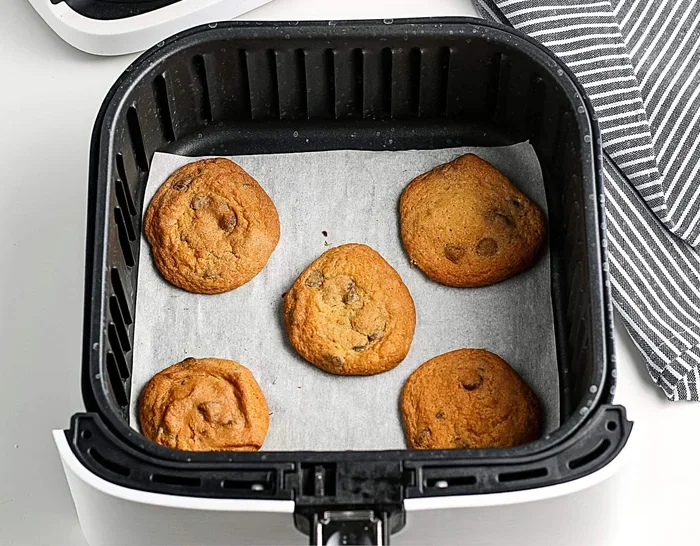
Silicone mats are reusable and eco-friendly. They fit right into the air fryer basket and can handle high temperatures. They are great for baking cookies, roasting vegetables, or reheating leftovers. They also protect your basket from scratches.
Baking Cups and Racks
For smaller items like muffins or chicken wings, silicone baking cups work wonderfully. They keep food elevated and allow air to circulate from all sides. You can also use wire racks inside your air fryer basket for even better results.
Each alternative has its strengths. Parchment paper is disposable and convenient. Silicone mats are reusable and durable. Racks are great for specific cooking tasks. Choose based on what you cook most often.
How to Clean Your Air Fryer After Using Aluminum
One of the biggest benefits of using aluminum in your air fryer is easier cleanup. But proper cleaning still matters. Here is how to keep your air fryer in great shape.
Cleaning the Basket
After removing the foil or container, wash the basket with warm soapy water. Use a soft sponge to avoid scratching the surface. If food is stuck, soak the basket for 15 minutes before scrubbing. Never use metal utensils on a non-stick basket.
Just as you would maintain other kitchen appliances, regular cleaning extends the life of your air fryer. If you ever wonder about maintaining other kitchen tools, you might ask yourself where can I get my coffee machine serviced for a similar reason, since all kitchen appliances benefit from proper care and maintenance.
Dealing with Sticky Residue
If you have sticky residue from sugary or fatty foods, soak the basket in warm water with a drop of dish soap. For tough spots, make a paste of baking soda and water. Apply it gently and let it sit for a few minutes before wiping clean.
Keeping your air fryer clean ensures it continues to perform well. A well-maintained air fryer cooks better and lasts longer.
Health Considerations: Does Aluminum Leach Into Food
This is a concern for many people, and it is a valid one. Let us look at what science says.
Studies show that aluminum can leach into food during cooking, especially when exposed to high heat and acidic ingredients. The amount is generally small and considered safe by health authorities. However, if you are concerned about aluminum exposure, there are easy ways to reduce it.
- Use parchment paper instead of foil for acidic foods.
- Keep cooking times short when using aluminum.
- Avoid storing food in aluminum containers overnight.
- Use thicker aluminum products, which leach less than thin foil.
For most people, occasional use of aluminum in the air fryer is not a health concern. But if you want to minimize exposure, the alternatives we discussed earlier are excellent options.
The Verdict: Should You Use Aluminum in Your Air Fryer
So, can you put aluminum in an air fryer? Yes, you can, and it is perfectly safe when done correctly. Use foil or containers to line your basket, catch drips, and cook food more evenly. Just remember the rules: do not block vents, avoid acidic foods, keep foil away from the heating element, and never reuse foil with raw meat.
If you want to explore other kitchen techniques, you might also be curious about whether can you brew cacao nibs like coffee in your kitchen setup, since both involve experimenting with alternative brewing and cooking methods using heat-based appliances.
The best approach is to use aluminum thoughtfully and in moderation. Pair it with parchment paper and silicone accessories for the best results. Your air fryer will reward you with delicious, crispy food every time.
Now that you know the facts, you can cook with confidence. Grab your air fryer, some aluminum foil or containers, and start creating. Happy cooking!
Frequently Asked Questions
Can you put aluminum foil in an air fryer safely?
Yes, you can put aluminum foil in an air fryer safely as long as you follow a few basic rules. Do not cover the air vents, do not let the foil touch the heating element, and always poke holes for airflow. Using foil to line the basket is one of the most common and safe ways to use it in an air fryer.
Is it safe to cook acidic foods on aluminum in an air fryer?
It is not recommended to cook acidic foods like tomatoes, lemons, or vinegar-based sauces on aluminum. The acid can react with the metal, causing a metallic taste and breaking down the foil. Use parchment paper or a silicone mat instead for these types of foods.
What temperature can aluminum withstand in an air fryer?
Aluminum can withstand temperatures well above what an air fryer reaches. Most air fryers operate between 350°F and 400°F, while aluminum melts at around 1,220°F. This means standard air fryer cooking temperatures are perfectly safe for aluminum use.
Can you reuse aluminum foil after air frying?
It is best not to reuse aluminum foil after air frying, especially if it touched raw meat or acidic foods. Used foil can harbor bacteria and may have absorbed flavors or fats that affect your next cook. Fresh foil ensures the best results and food safety.
What is a better alternative to aluminum in an air fryer?
Parchment paper is the most popular alternative to aluminum in an air fryer. It is heat safe, disposable, and makes cleanup easy. Silicone mats and reusable containers are also excellent options that work well and avoid any aluminum concerns.
Can aluminum foil damage your air fryer basket?
Aluminum foil can scratch or damage a non-stick basket if you are not careful. To avoid this, place the foil gently at the bottom of the basket and never use sharp utensils on it. Using parchment paper or silicone liners is a gentler option for protecting your basket surface.